Feinsinger Argues Lobbyist Money Bans Misread Colorado Politics
A Post Independent op-ed challenges Colorado's growing trend of banning lobbyist money, arguing that low contribution limits and First Amendment rights make exclusion unnecessary.
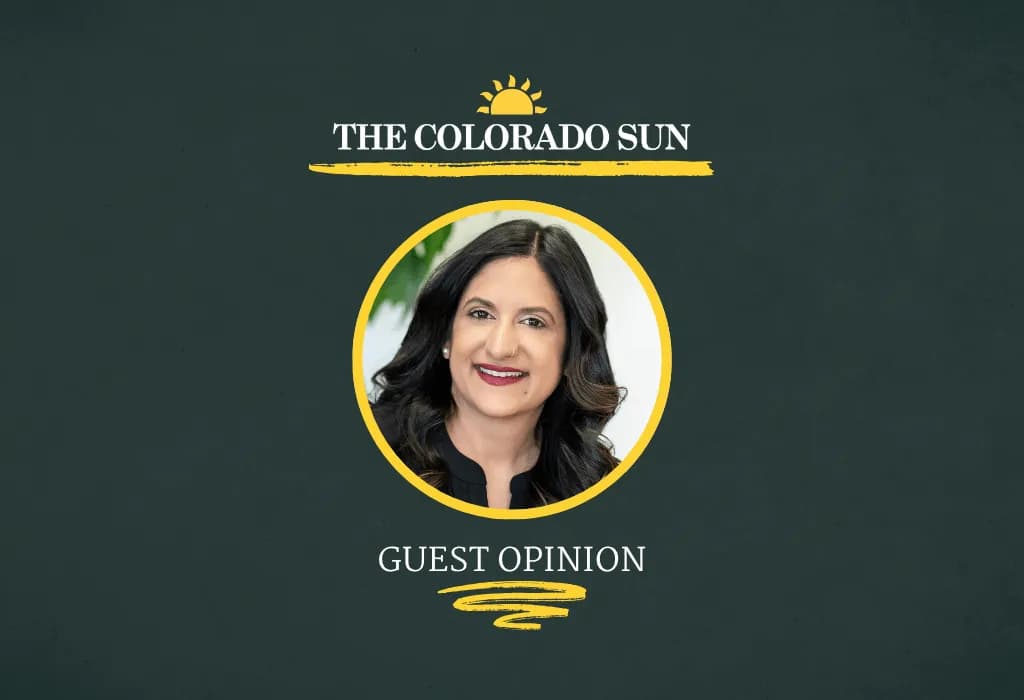
Feinsinger wrote in the Post Independent that the trend of lawmakers rejecting lobbyist money rests on a false premise. It assumes lobbying is inherently corrupt.
It isn’t.
The argument gaining traction in Colorado is simple enough to win applause. A small but growing number of General Assembly members and candidates are announcing they won’t take cash from lobbyists. In 2025, legislation even tried to ban lobbyist contributions altogether.
The short version: it’s an easy political move. It’s not necessarily a good policy move.
Feinsinger, now a registered lobbyist after years in the U.S. House, the Senate, and the Polis administration, argues that excluding lobbyists sends the wrong message. The First Amendment protects the right to petition the government. Lobbying is just one of the oldest ways Americans exercise that right.
We don’t treat corporate executives as corrupt just because they have money. We don’t ban labor leaders from donating. We don’t kick out small business owners whose interests are directly affected by government decisions.
Yet a registered lobbyist is somehow deemed inappropriate.
The inconsistency is hard to ignore. Equal participation shouldn’t depend on your job title.
Lobbyists here represent local hospitals, manufacturers, small businesses, and school districts. They represent veterans’ groups, environmental organizations, and chambers of commerce. They help lawmakers understand how technical policy hits the people on the ground.
Feinsinger notes that advocacy isn’t corruption. It’s participation.
The real issue might be the cost of doing business in Colorado politics. The state already has some of the lowest campaign contribution limits in the nation. An individual can contribute just $225 per election cycle to a state House or Senate candidate.
That’s $225 total. Not per month. Not per year. Per cycle.
It isn’t enough to buy influence. It isn’t enough to buy access. But it is enough to make the "corruption" argument feel thin when applied to a specific profession rather than the broader system.
Read that again. $225.
If the goal is to reduce the influence of money in politics, targeting lobbyists specifically is a narrow cut. It doesn’t fix the fact that everyone else can still pay in. It just removes one group from the table.
Feinsinger calls it personal. As a woman of color, she’s had her voice discounted and dismissed before. She sees the lobbyist ban as another way certain citizens are treated as "less than" because of what they do for a living.
Our democracy should encourage more participation. It shouldn’t create new categories of people whose voices are silenced by their job description.
The trend is growing. The legislation passed. But the question remains whether locals and lawmakers actually believe lobbyists are the problem, or if they just want a cleaner headline.
The money is small. The exclusion is growing. The premise is shaky.
Keep up with the Western Slope
The day's Western Slope news, one email each morning. Free.