Former CIA Director John Brennan Sues Trump Admin to Preserve Investigation Records
Former CIA Director John Brennan sues the Trump administration to force the preservation of records, arguing that investigations into his conduct are politically motivated and at risk of evidence destruction.
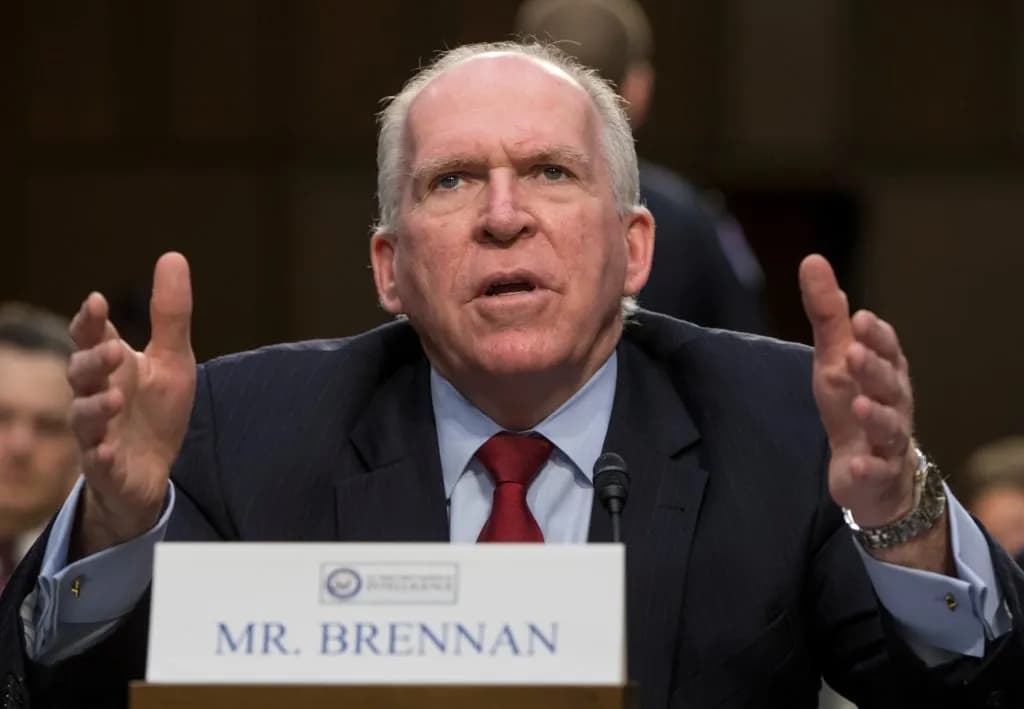
Aspen —A former CIA director is suing the Trump administration to keep the paper trail intact. That’s it. That’s the story.
John Brennan wants a court order forcing officials to preserve records from investigations that his lawyers claim are targeting him for “phantom criminal conduct.” On paper, this is a standard legal maneuver to prevent evidence destruction. In practice, it’s a preemptive strike in a political war that’s been raging since 2017.
Brennan isn’t just asking for the files; he’s demanding proof that the Justice Department isn’t just doing its job. He’s arguing that the investigations are vindictive. Selective. Driven by Donald Trump’s “obsession with punishing him” for lawful conduct and protected criticism.
Let’s look at the stakes. The lawsuit cites more than 100 verbal or written statements by President Trump lambasting Brennan since 2017. That’s not a subtle hint. That’s a bullseye. Brennan’s legal team argues these statements prove the probes were initiated “without regard to factual or legal justification.”
Two specific investigations are under the microscope. One, based in Florida, is examining whether Brennan made a false statement to Congress in 2023 regarding Russian interference in the 2016 election. The other is broader, aiming to determine if former law enforcement and intelligence officials conspired over the last decade to undermine Trump, including during the Russia probe.
Brennan denies any wrongdoing. He’s been quiet on the specifics of the Florida inquiry, but his lawyers are already preparing the defense for the inevitable indictment. They want to dismiss any eventual charges on the grounds of vindictive prosecution. To do that, they need the internal memos. They need the emails. They need the paper trail that shows who pulled the trigger and why.
The fear? Records are at risk of being lost or intentionally deleted. Without a court order, the government could claim the files were simply misplaced. Brennan’s team argues that without this preservation order, the basis for proving political motivation evaporates.
This isn’t just about Brennan. It’s about the precedent. If the White House can investigate a former CIA director for “concocted theories of criminal activity” and then delete the evidence that proves it was political retribution, the rule of law takes a backseat to the ruler’s ego.
The lawsuit filed in federal court in Washington seeks to preserve all government records relevant to the investigation. It’s a bid to freeze the clock on the bureaucracy’s ability to clean house.
For the folks reading this in Vail or Delta, this feels distant. It’s Washington politics. But it’s not. It’s about who holds the power to define guilt. It’s about whether investigations are about facts or about the person holding the gavel. Brennan is betting that if they keep the records, the truth will show up. If they delete them, it’s just his word against the administration’s.
The bottom line: Brennan is forcing the government to keep its receipts. Whether those receipts prove he’s a victim of political revenge or just a guy who talked too much is still an open question. But until the court orders otherwise, the records stay. And the clock is ticking on whether anyone actually remembers what they said.
Keep up with Aspen
The day's Western Slope news, one email each morning. Free.