Fraser Builds $4M Arts Center to Pivot from Icebox to Cultural Hub
Fraser, once known as the Icebox of the Nation, is leveraging a $4 million performing arts center and riverfront land donation to transform its economy and brand itself as a cultural hub.
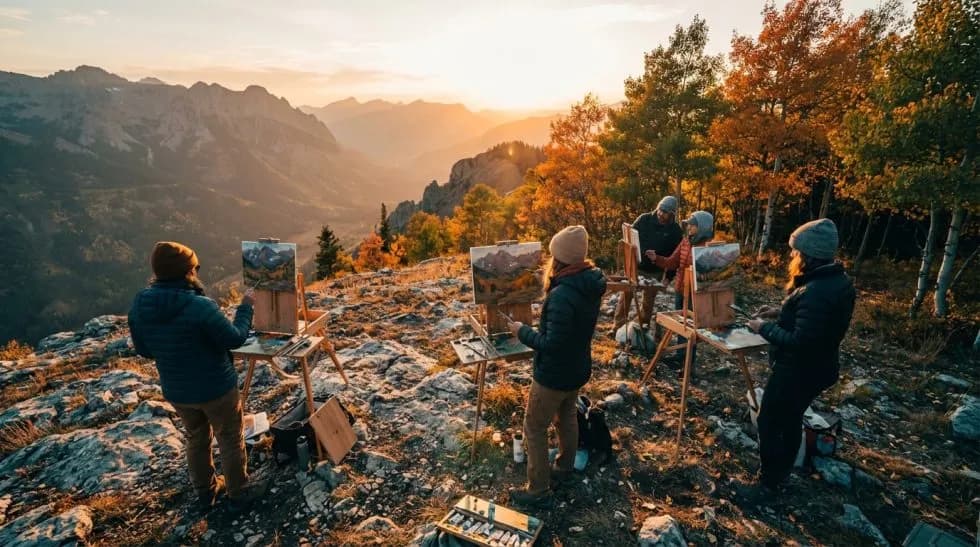
Colorado —“Fraser was where people could be their authentic selves,” Timothy Hodsdon said. “Which for him meant unleashing his inner artist.”
That sentiment is now the town’s official economic engine.
In 2020, Fraser donated a prime parcel of land along the Fraser River to Fraser Valley Arts. The nonprofit has raised $4 million for a sprawling new performing arts center. They hope it becomes the anchor for a town of just 1,500.
It’s a bold pivot for a place once defined by its brutal winters. Fraser held the title of “Icebox of the Nation” for decades. Temperatures hit 40 below zero. It was a rough-around-the-edges stop along U.S. 40, sandwiched between Winter Park and Granby.
Now, it’s branding itself as an arts mecca.
Cassidi Peterson, director of Fraser Valley Arts, is spearheading the effort. She stands in front of murals painted by winners of the annual Fraser Mountain Mural Festival. These aren't just decorations. They’re part of a calculated identity shift.
The logic is simple. Winter Park sells skiing. Fraser sells something else.
Hodsdon, who moved from Alaska in 1994, saw the difference early. In Winter Park, you had to be a skier. In Fraser, you just had to be yourself. That lack of expectation allowed for “collision art” — smashing together sculptures, paintings, and literature.
He and his partner started a literary magazine called the “Specked Tater.” They brainstormed another, the “Snow Spanker,” featuring a naked skier centerfold. It didn’t quite take off. Hodsdon admits he’s not sure if he should even be telling you about it. But the vibe stuck.
Fraser had a Pride parade long before it was the norm in small Colorado towns. “Just Fraser” became a brand.
Now, officials want to monetize that brand.
The new arts center isn't just a venue. It’s an economic development tool. The town is betting that culture draws visitors who stay longer and spend more than day-trippers. It’s a move to diversify beyond the ski industry’s boom-and-bust cycle.
Local artists are already embedded in the community. Painter Elizabeth Kurtak has run a gallery on East Eisenhower Drive since 2003. Greg McFadden, a watercolorist, ski guide, and rafting outfitter, paints and holds house readings at his place. They’re the proof of concept.
But can a $4 million investment sustain a town of 1,500?
The donation of the riverfront property was the first major down payment. The center itself is the second. The marketing is the third.
Hodsdon notes that the community’s connection to the place didn’t apply expectations. That’s what made it work before. Now, the town is applying expectations. It’s expecting the arts to save the local economy. It’s expecting the new center to fill seats.
The murals on the walls are a start. The riverfront land is secured. The money is raised.
The question is whether the locals will buy into the new identity, or if the tourists will just drive through on their way to the slopes.
Fraser is no longer just the Icebox of the Nation. It’s trying to be its brain.
Keep up with Colorado
The day's Western Slope news, one email each morning. Free.
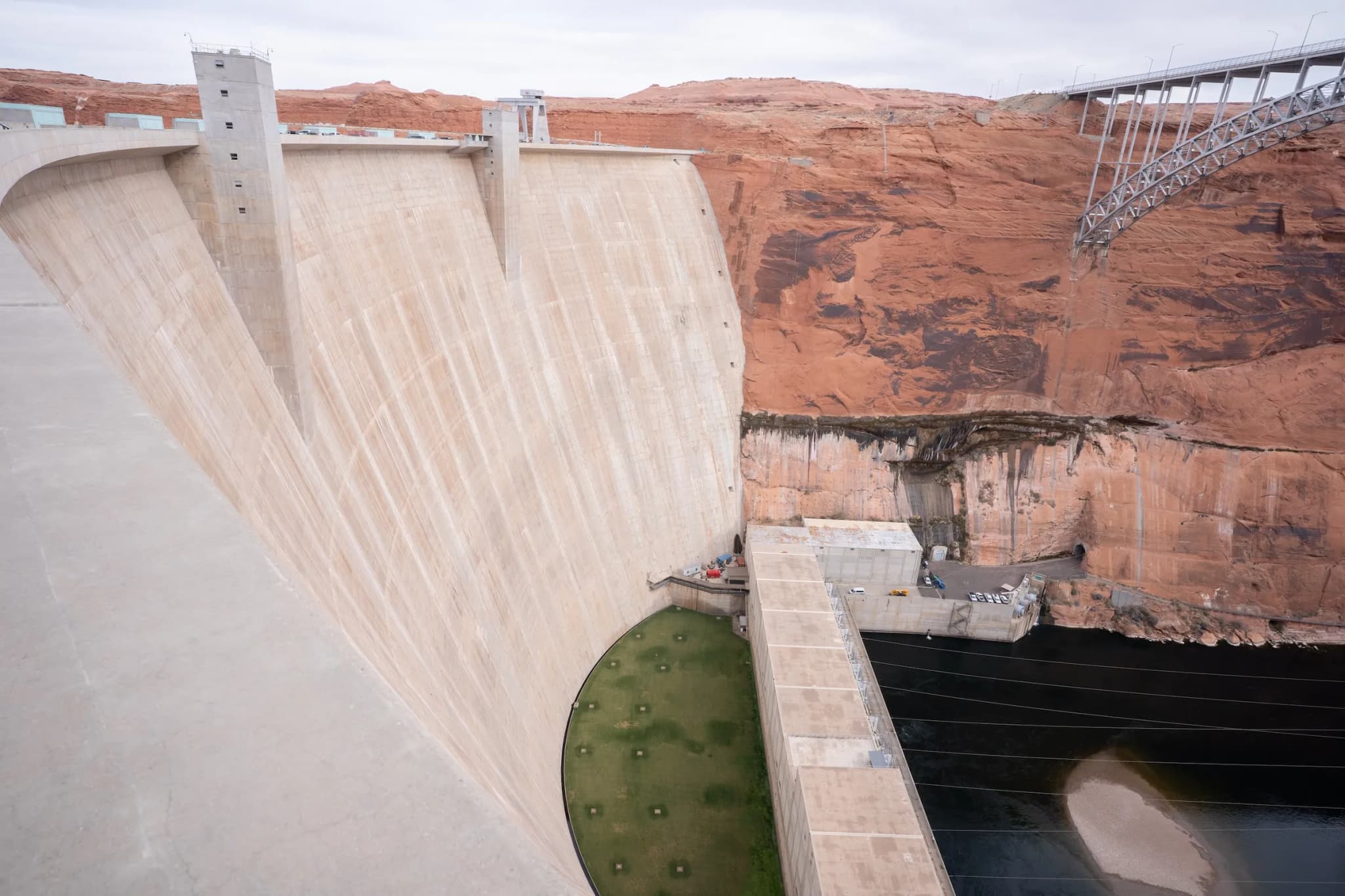
Federal Report Sets 200,000 Acre-Foot Water Conservation Target for Upper Basin
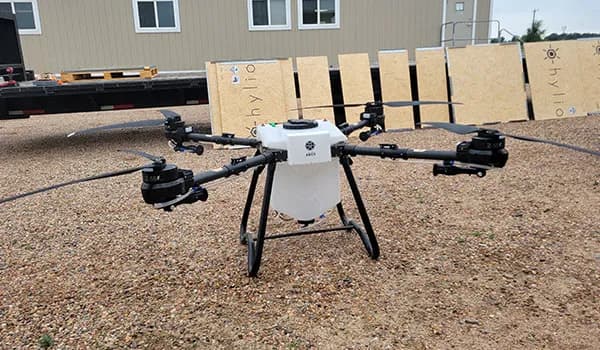
Colorado Parks and Wildlife Deploys Precision Drones for Weed Control