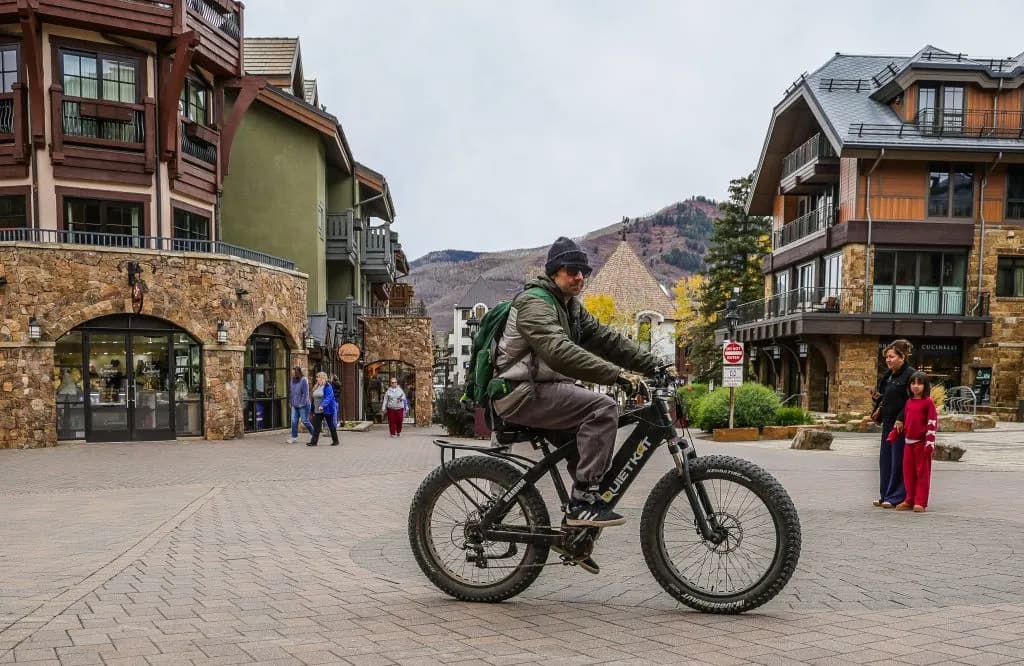
Aspen Ideas Health Fellowship Brings Global Innovators to High Rockies
The Aspen Ideas: Health festival gathers global innovators and fellows, including disability advocate Arcelia Mendoza, to dissect the future of healthcare in the high Rockies.
Aspen —The crisp, thin air of the high Rockies usually carries the scent of pine and distant snowmelt, a sensory backdrop that defines the Western Slope’s identity. But this week, the mountain town is vibrating with a different kind of energy — not the quiet reverence of a gallery opening or the clatter of a dinner rush, but the low, intellectual hum of a hundred professionals under forty converging on the valley floor. They are here for the Aspen Ideas: Health festival, a fully funded fellowship program that pulls innovators from across the globe into this high-altitude crucible to dissect the future of healthcare, science, and medicine.
It’s easy to dismiss such gatherings as elite networking events, the kind where people in blazers exchange business cards and talk about themselves. But if you look closely at who is actually in the room, the picture is more textured, more urgent. These aren’t just executives; they are the people trying to fix the broken pieces of our collective health. The program, which collectively sponsors over a hundred fellows annually, brings together nonprofit leaders, scientists, artists, and educators to tackle complex problems with a depth of conversation that rarely happens in the daily grind.
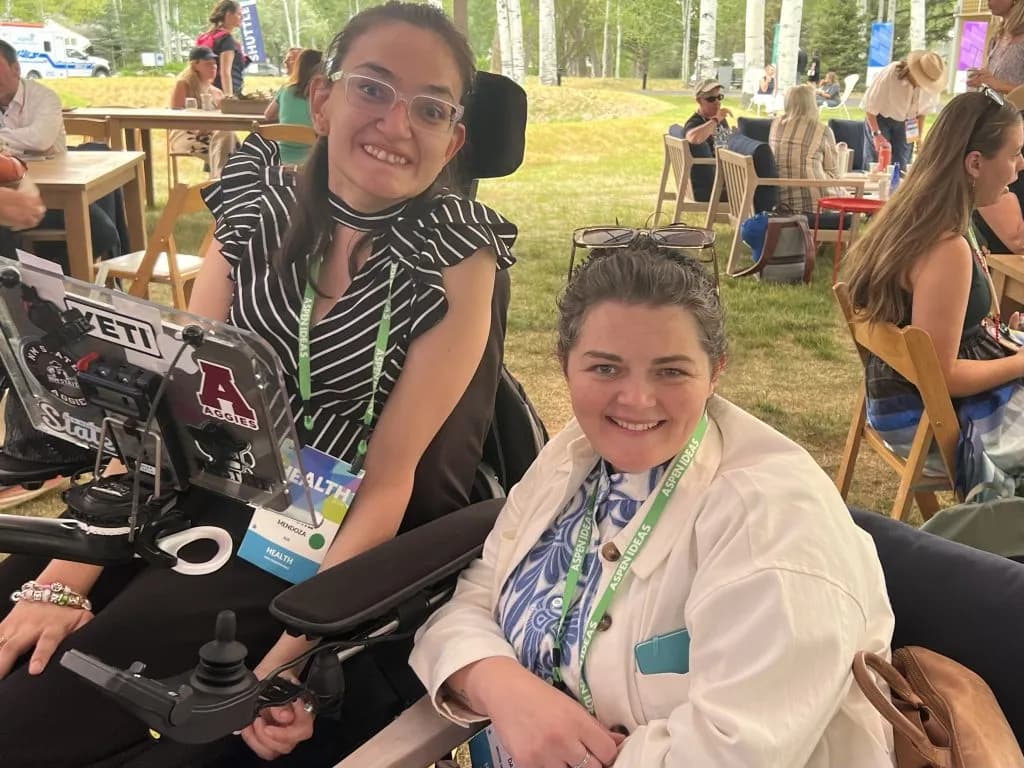
Take Arcelia Mendoza, a disability advocate whose work is reshaping how we view diversity in media and medicine. Nominated by Jessica Tarin, a senior staff member at the Aspen Institute who has followed Mendoza’s career since their first semester of college, Mendoza represents a specific, vital slice of this fellowship. She is a Mexican Hispanic woman with cerebral palsy who communicates through her computer while seated in her wheelchair, yet her voice carries a weight that fills the room. Her mission is clear: to empower people with disabilities by dispelling marginalization and stigmatization, bringing visibility to ignored abilities.
“There is no better opportunity to build interpersonal skills, discuss various topics in such intellectual depth and enjoy the overall community and landscape like at the Aspen Ideas Festival,” said Anthony Devon, a former fellow and award-winning director. Devon, who founded Bedrock Cinema to help Black adolescents enter the entertainment industry, understands the value of this immersion. It’s not just about the ideas; it’s about the connections forged in the space between them.
The fellows, representing 68 cities across 26 states and two other countries, just wrapped up their term on June 25. New fellows are already arriving, their arrival marking the beginning of a festival that runs through July 1. They are challenged to consider diverse perspectives, to step outside their own bubbles and listen to the people who have been left out of the conversation. Mendoza notes that networking here isn’t about collecting contacts; it’s about finding people willing to normalize and embrace disabilities, to bring ideas to the table that actually matter.
“Personally, I’m contributing by showing up,” Mendoza said, her words typed out for her to communicate. “By attending sessions, asking questions, learning and putting new ideas into perspective, speakers, attendees and other fellows can come together to develop a better future in health.”
There’s a warmth to these interactions, a sense that the altitude is sharpening their focus. The fellows are nominated by senior staff and previous attendees, a curated group striving to represent different genders, ethnicities, industries, and political affiliations. It’s a deliberate effort to gather a cross-section of the next generation of global innovators. For many, this fellowship is the only way they can attend the festival at all, a lifeline that allows them to connect with others who want to bring positive change to the world.
As the sun sets over the Elk Mountains, casting long shadows across the snow-dusted peaks, the festival continues. The air grows colder, but the conversations inside the venues remain heated, productive, and deeply human. You can feel it — the weight of responsibility, the excitement of discovery, and the quiet certainty that the people in this room are already working on the solutions we’ll all need tomorrow.
Keep up with Aspen
The day's Western Slope news, one email each morning. Free.