Iran Drone Assault on Bahrain Threatens Strait of Hormuz Oil Flow
Iran's drone assault on Bahrain and attacks on shipping lanes in the Strait of Hormuz threaten global oil and natural gas supplies, directly impacting energy costs from Glenwood Springs to Grand Junction.
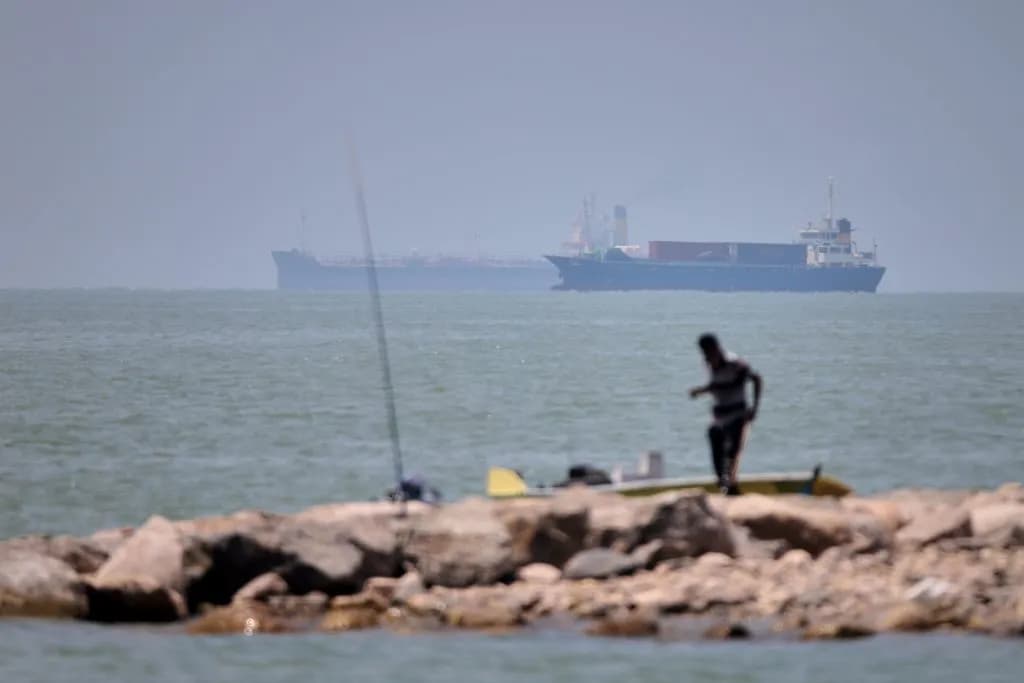
Aspen —Do you remember the last time you checked the news and felt the ground shift beneath your feet, not just in the headlines, but in the actual price of the gas you pump into your truck on Highway 6? That’s the question hanging over the Western Slope this weekend, as the Persian Gulf’s vital choke point — a narrow, vital choke point for global oil and natural gas — becomes the latest stage for a conflict that feels increasingly close to home.
Iran launched a drone assault on Bahrain on Saturday, a direct riposte to overnight U.S. airstrikes, while a separate ship in the waterway came under attack, its crew safe but the threat undeniable. This isn’t just distant geopolitical theater; it’s a reminder of how fragile the uneasy ceasefire has become, even as diplomats scramble to finalize an interim deal that gives the two sides 60 days to work out the details. You can feel the tension in the air, thick and heavy like the humidity before a summer storm in Delta.
Bahrain, home to the U.S. Navy’s 5th Fleet, condemned the drone strike as a "flagrant threat to the security of citizens and residents," noting that while there were no immediate reports of damage, the psychological weight of the attack landed squarely on the region. It was a place that had just hosted U.S. Secretary of State Marco Rubio for a meeting of the Gulf Cooperation Council’s foreign ministers, where the call was made for an end to Iran’s attacks and for the choke point to be completely open. Yet, here we are, with Iranian drones buzzing overhead and the Revolutionary Guard claiming they targeted "several locations of the U.S. terrorist army in the region."
The U.S. military’s Central Command confirmed that the overnight strikes hit Iranian missile and drone locations and coastal radar sites, a response to an Iranian drone attack on a container ship that tried to leave the narrow passage on Thursday. It’s a cycle of violence that feels relentless, a pendulum swinging back and forth between diplomacy and destruction. U.S. Vice President JD Vance, who has led the negotiations with Iran, took to social media to urge Iran to "pick up the phone" if there are disagreements about the ceasefire agreement, but he added a stark warning: "violence will be met with violence."
Meanwhile, the British military’s United Kingdom Maritime Trade Operations center reported that a tanker was attacked in the region, with the crew safe and no environmental damage reported. Suspicion immediately fell on Iran, though no one claimed the strike outright. Just after that report, the Joint Maritime Information expanded a route near Oman in the strait to allow for both inbound and outbound traffic, a move that likely sets up a new flashpoint with Tehran, which sees the geographic bottleneck as a key source of leverage in ongoing talks with the U.S.
If you look closely at the map, the Strait of Hormuz is more than just a body of water; it’s the jugular of the global economy, vital to supplies of oil and natural gas that keep the lights on from Glenwood Springs to Grand Junction. The interim deal includes addressing the future of Iran’s nuclear program and stockpile of highly enriched uranium, as well as ending the fighting in Lebanon between Israel and the Iranian-backed Hezbollah militant group. But for now, the drones are flying, the ships are moving, and the world is holding its breath.
The scent of salt and diesel lingers in the air, a reminder that even in the high desert of Colorado, the pulse of the Strait of Hormuz beats in time with our own.
Keep up with Aspen
The day's Western Slope news, one email each morning. Free.


The digital counter on the side of the bus in Carbondale ticks over, but the seats inside are half-empty

Eagle County Launches Aging Well Roadmap To Keep Seniors Housed