PBMs Spend Millions Fighting State Laws to Lower Prescription Drug Costs
States are passing laws to lower prescription drug costs by squeezing pharmacy benefit managers (PBMs), prompting giants like CVS Health to spend millions on lobbying and lawsuits to protect their margins.
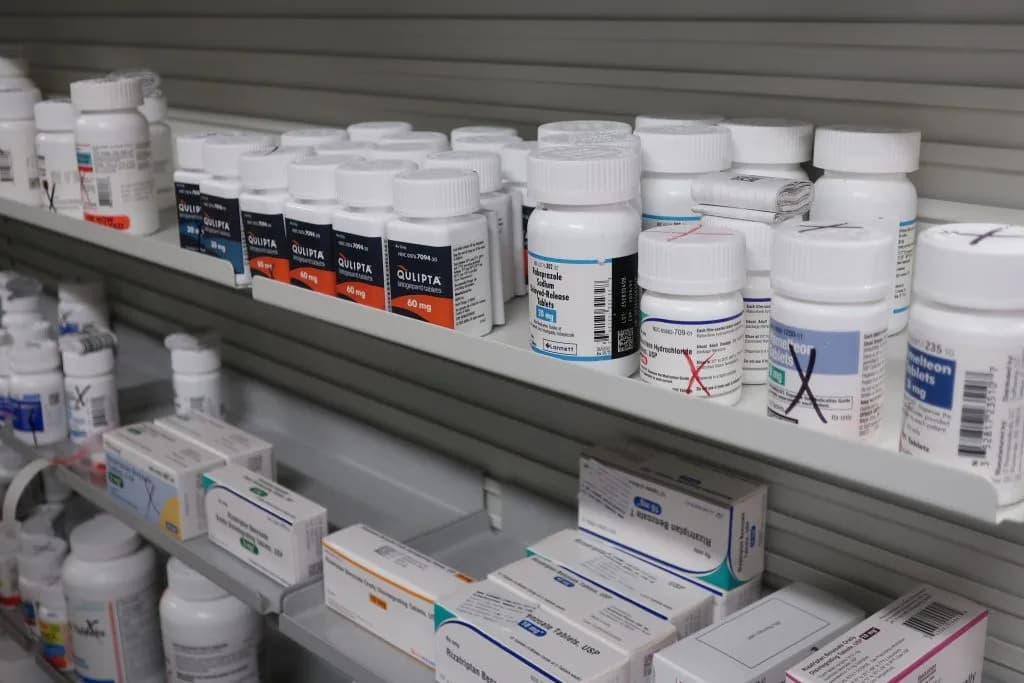
Aspen —What happens to the cost of your prescription when the middleman decides to take a cut?
That’s the question facing folks in Delta County and across the state as lawmakers move to squeeze pharmacy benefit managers (PBMs) for every penny they can get. These are the companies that negotiate drug prices between insurers and manufacturers — and they’re getting a lot of attention for getting a lot of money.
States are no longer just talking about reform. They’re passing laws. In at least a dozen states, legislation has cleared to limit PBM compensation, mandate minimum payments to pharmacists, and force these giants to open their books. The goal is simple: lower drug prices for the people who actually need them.
But the PBMs aren’t sitting still. CVS Health, the biggest player in the game, has spent millions fighting back.
“If PBMs already didn’t exist, you’d need to invent one,” said Prem Shaw, president of the CVS Health group overseeing its pharmacy and PBM operations. “Blaming PBMs for high drug prices is like blaming umbrellas for the rain.”
Shaw’s argument is that without these intermediaries, health plans would struggle to negotiate the leverage they currently enjoy. He points to the rise of generic drugs — now 90% of all U.S. prescriptions, as proof that the system works.
Critics say that’s only half the story. They argue that PBMs keep their own profits high while passing the costs down to consumers. The result? People in the valley are skipping doses or splitting pills to make ends meet.
A poll by healthcare nonprofit KFF found that about 6 in 10 U.S. adults worry about affording their prescriptions. Even more troubling, 4 in 10 said costs forced them to alter their medication routine within the last year. That’s not just a national statistic. That’s your neighbor on Main Street. That’s the local pharmacist watching patients leave without filling scripts.
The political pressure is mounting ahead of the midterm elections. Lawmakers in at least 26 states introduced more than 120 bills this year on PBMs. About a quarter of those have cleared at least one chamber.
Tennessee is leading the charge with a law that will bar PBMs from operating retail pharmacies by July 1, 2028. CVS isn’t taking that lying down. The company is already in federal court, suing to block the rule and keep its 136 Tennessee pharmacies open.
And they’re spending to win.
Drug companies, PBMs, and their allies spent at least $24 million on broadcast and digital advertising since the start of 2025 to sway public opinion. CVS alone dropped $4 million this year just opposing Tennessee’s new law. They also sued Arkansas, where a federal judge blocked a similar law, and settled three lawsuits in Louisiana over unfair trade practices.
The money talks. But does it translate to lower prices for the average consumer?
The PBM industry argues they are the only player in the supply chain created specifically to push costs down. They claim credit for the widespread use of generics. But as more states pass transparency laws and limit fees, the question becomes whether those savings actually reach the patient or stay in the PBM’s pocket.
For now, the battle lines are drawn. States want more transparency and lower costs. PBMs want to protect their margins and their ability to operate freely.
As one industry insider noted, the size of the top companies gives them leverage that health plans wouldn’t have on their own. The question is whether state governments can break that leverage before the next election cycle turns the heat up even more.
The spending suggests these companies are betting they can weather the storm.
Keep up with Aspen
The day's Western Slope news, one email each morning. Free.


The digital counter on the side of the bus in Carbondale ticks over, but the seats inside are half-empty

Eagle County Launches Aging Well Roadmap To Keep Seniors Housed