Former Colorado Health Official Charged Over $99,000 Tuition Fraud Scheme
Former Colorado deputy behavioral health commissioner Lindsay Salas faces felony theft charges for using false tuition invoices to pocket $99,000 from a nonprofit.
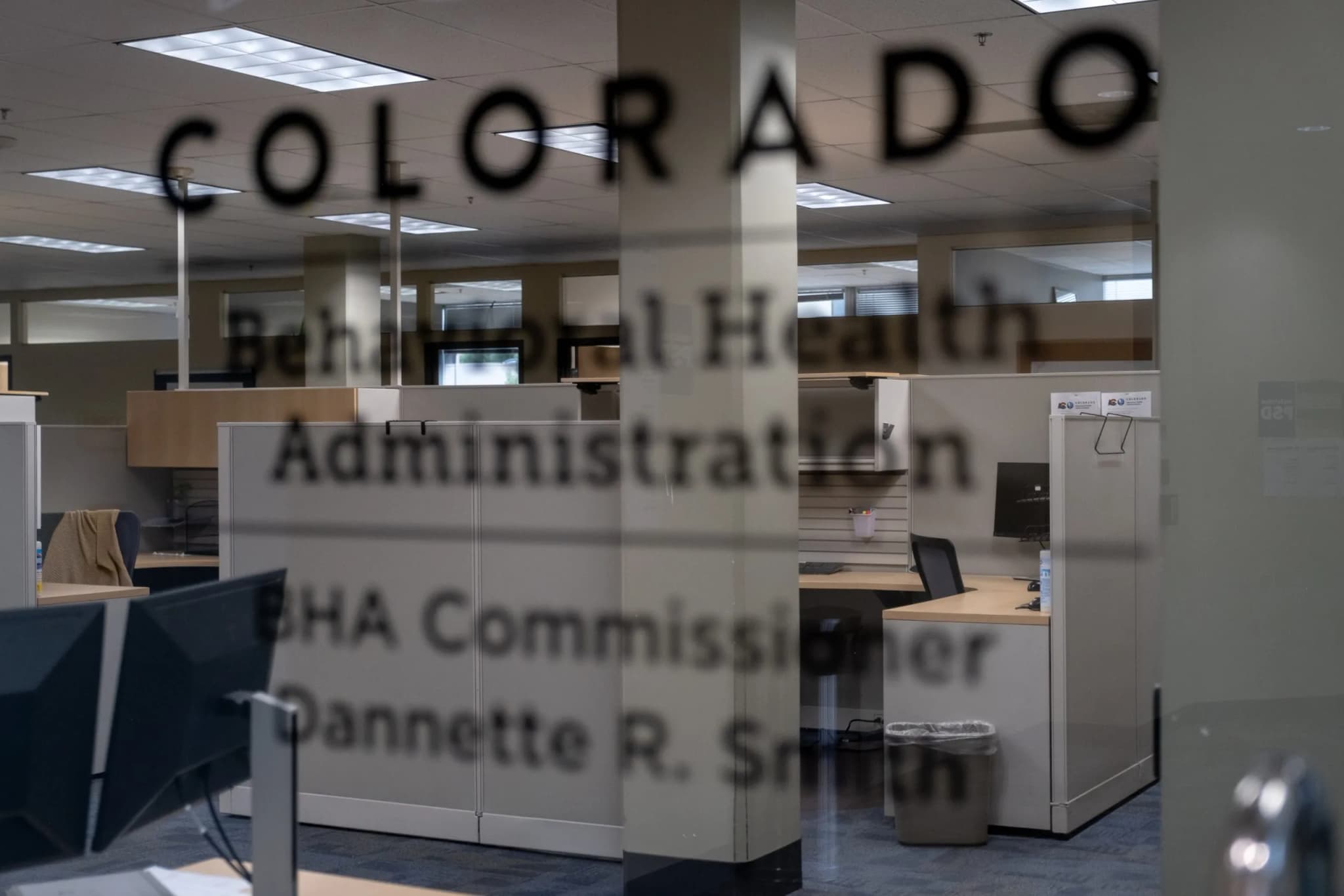
The fluorescent lights of the Colorado Behavioral Health Administration offices in Denver hummed with a sterile, bureaucratic indifference, a backdrop that made the revelation of a $99,000 hole in the state’s ledger feel almost surreal. It is a strange irony that Lindsay Salas, a woman whose career was built on navigating the complex, often broken systems of foster care and mental health, would find herself entangled in a web of false invoices and doctored records. The obvious narrative is one of institutional failure — how could the state hire a known suspect? But the deeper story is about the specific mechanics of trust, and how easily it can be hollowed out by a single, persistent lie.
Jennifer Brown of The Colorado Sun detailed the charges filed by the Adams County District Attorney’s Office, which include felony theft, attempted theft, and three counts of filing false tax returns. The scheme itself was elegant in its simplicity, relying entirely on the University of Denver’s tuition portal. Salas, serving as executive director of Court Appointed Special Advocates (CASA) of Adams and Broomfield Counties, had secured a donor to fund her graduate degree in business administration. The arrangement was straightforward: Salas submitted tuition invoices to CASA, CASA paid the university, and the donor reimbursed CASA. But Salas created false tuition invoices, which CASA then paid to the university. Because these were overpayments, DU reimbursed Salas for the difference. In total, the overpayments amounted to $99,000.
The timing of her hiring adds another layer of complexity. Salas was appointed deputy behavioral health commissioner in November, just months after the state agency, which is only four years old and has struggled with leadership turnover, brought her on board. The Colorado Sun reported in April that the agency hired Salas without checking with the nonprofit where she had worked for twelve years. By that point, Attorney General Phil Weiser’s office had already determined that Salas doctored tuition reimbursement records to steal the money. A civil settlement required her to return $66,000, and she was barred from handling charitable donations for five years. Yet she continued to hold her state position until April.
Now, facing criminal charges, Salas is scheduled to appear in court on November 9. Her attorney did not immediately return a request for comment. The case highlights how a single individual can exploit the gaps between organizations, using the trust of one to benefit another. It raises questions about due diligence, accountability, and the cost of overlooking red flags. For now, the focus shifts to the courtroom, where the details of the scheme will be scrutinized, and the fate of the former deputy commissioner will be decided. The hum of the fluorescent lights continues, unchanged, waiting for the next chapter to unfold.
Keep up with the Western Slope
The day's Western Slope news, one email each morning. Free.