French-American Hybrid Grapes Survive Vail's Brutal Frost
New French-American hybrid grapes can survive 71-degree below zero temperatures, offering Western Slope growers a resilient alternative to traditional varieties that struggle with harsh winters and shifting climate patterns.
Aspen —A grape that survives 71 degrees below zero. That is the headline number, and for a region where Vail Pass routinely dips into double-digit negatives, it is the only number that matters right now.
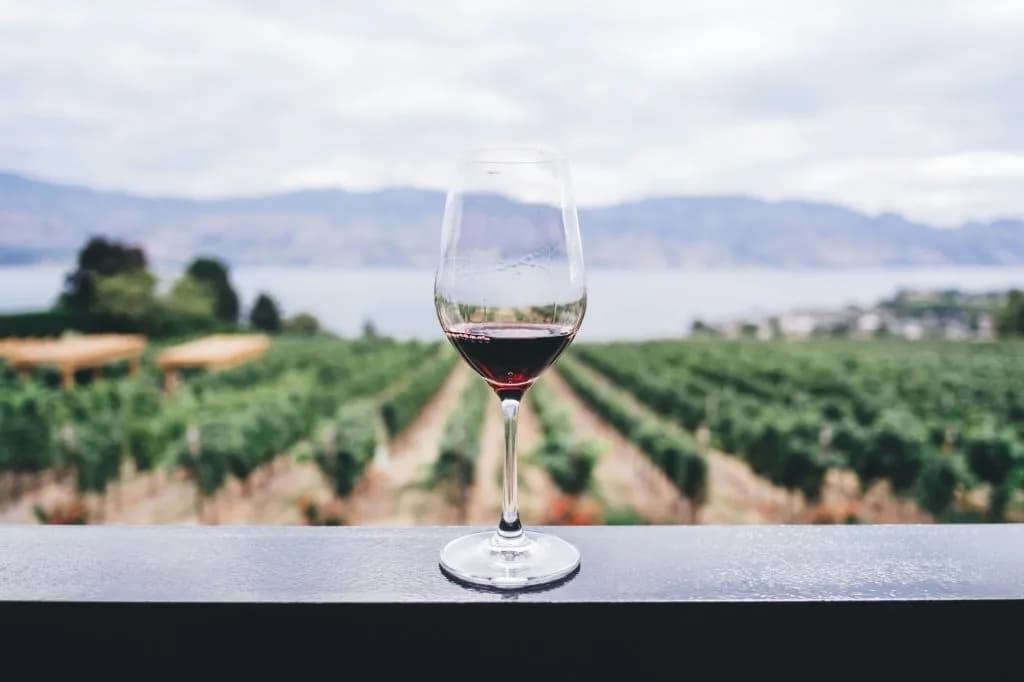
The Vail Daily reported on a new category of wine grape called the French-American hybrid. These are not the chardonnays, cabernet sauvignons, or pinot noirs you see on restaurant menus. Those grapes come from a single European species known as Vitis vinifera. Hybrids are different. They are created by crossing that European species with a native American grape, usually Vitis labrusca. It is a biological merger. One parent brings the flavor profile winemakers want. The other brings the toughness to survive the climate we are actually living in.
For context, this is not grafting. People often confuse the two, but they are distinct processes. In the 1860s, a root louse called phylloxera was wiping out European vineyards. Scientists fixed it by grafting a European vine onto the roots of a hardy American vine that resisted the insect. The fruit above ground remained pure Vitis vinifera. A chardonnay grafted onto American roots is still just a sturdier chardonnay. It does not change the DNA of the fruit.
Hybrids do change it. By crossing two entirely different species, researchers are producing a new grape variety from scratch. The goal is to combine the winemaking quality of European vines with the resilience of American ones. The result is a grape that can handle brutal cold, disease pressure, and pests without relying on heavy irrigation or a season’s worth of spray treatments.
Most of this research happens in the United States, specifically at the University of Minnesota and Cornell University. The Vail Daily noted that climate change has added urgency to this work. Winemaking regions everywhere are facing the same set of problems: less predictable frost dates, hotter and longer heat spikes, drought years that strain irrigation systems, and pests moving into places that never used to worry about them. The paper pointed to the fires in Bordeaux as a recent example of how volatile these conditions have become.
Let’s do the math on why this hits close to home for folks around here. Traditional Vitis vinifera grapes are delicate. They require specific temperature ranges, consistent moisture, and protection from extreme cold snaps. In the Western Slope, our growing seasons are short and our winters are harsh. If you want to grow traditional wine grapes here, you need significant infrastructure: greenhouses, frost protection systems, and consistent water access. That is expensive.
Hybrids offer a different path. Because they are bred for resilience, they require less intervention. They can survive temperatures that would kill a standard cabernet. This matters for local agriculture because it lowers the barrier to entry for small-scale growers. It also reduces the environmental footprint of production by cutting down on the need for chemical sprays and heavy irrigation.
This is not just a niche trend for high-end wine consumers. It is an adaptation strategy. As the climate shifts, crops that cannot adapt will struggle. Hybrids are built for this specific reality. They are the grapes designed for a world that is hotter, drier, and colder at the same time.
The practical bottom line for locals is this: if you see "hybrid" on a wine label, it means the grape was bred to survive conditions that traditional grapes cannot. For our region, that resilience is not a luxury. It is the difference between a viable agricultural product and a crop that dies in the first hard frost. The Vail Daily’s reporting highlights that this is where the future of cold-climate viticulture is heading. We are not just drinking wine; we are consuming a biological solution to a changing climate.
Keep up with Aspen
The day's Western Slope news, one email each morning. Free.