Frisco Sen. Dylan Roberts Named Colorado Senate Majority Leader
State Sen. Dylan Roberts of Frisco became Colorado Senate majority leader after Democrats secured a supermajority, replacing term-limited Robert Rodriguez.
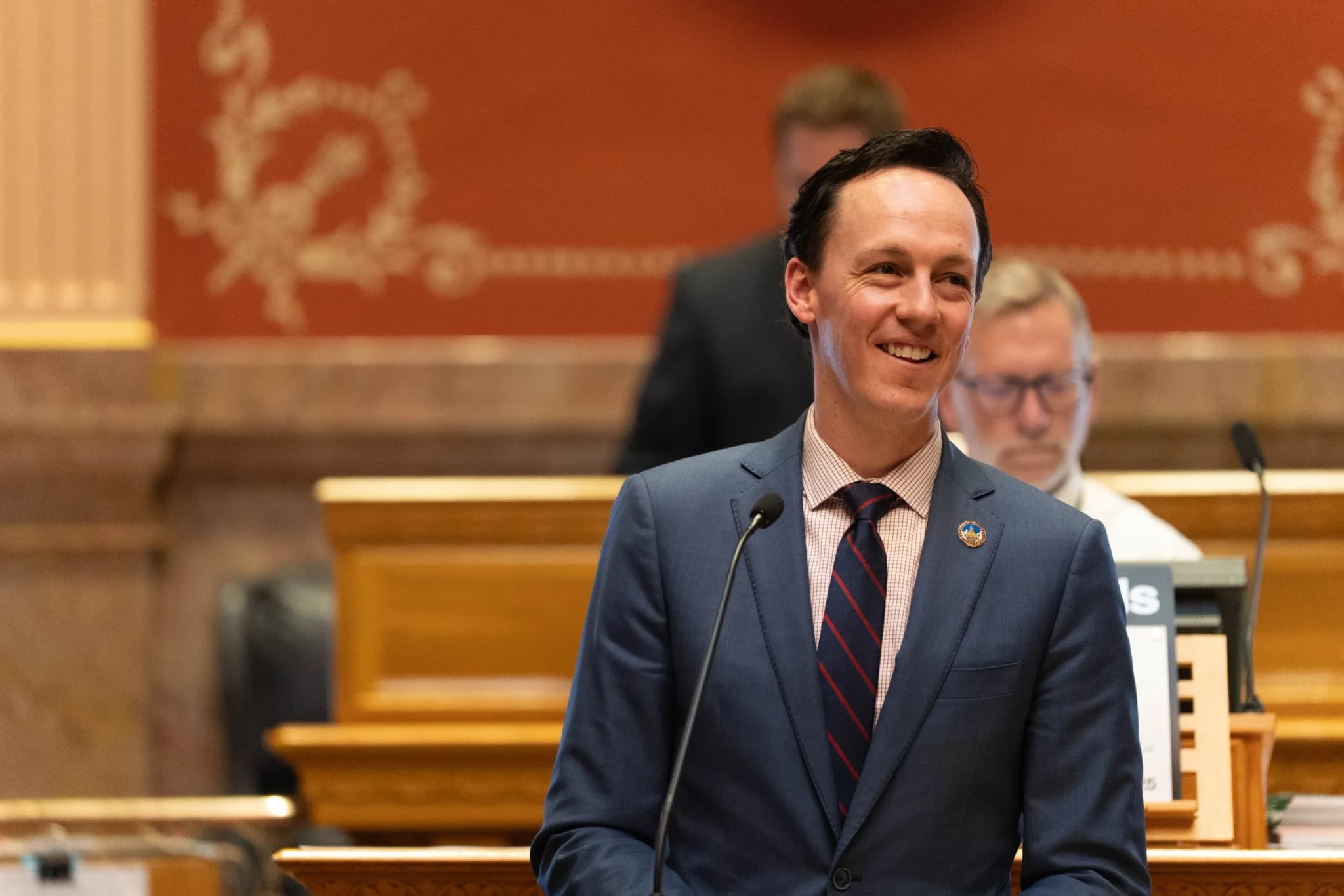
The wind off the Continental Divide usually carries a bite that can freeze breath in your lungs, but this week the chill in Denver felt political. State Sen. Dylan Roberts, D-Frisco, stood on the Senate floor to accept a new role that comes with significant power over the legislative calendar. He’s now the majority leader of the Colorado Senate, a position he won after Democrats secured a supermajority in the chamber.
Roberts replaces Robert Rodriguez, D-Denver, who is term-limited and won’t return to the Capitol next year. In a race for the top leadership spot, Roberts beat out Mike Weissman of Aurora. The Colorado Sun reported that Roberts will now have the final say on committee structure and, crucially, when bills get heard. That is a massive shift in leverage for the party that controls the chamber.
Roberts didn’t sugarcoat the current state of his caucus during his acceptance remarks. He admitted that the group has experienced "real divisions" and that trust has been strained. He argued that these fractures won’t be fixed with a speech or a promise, but through time and uncomfortable conversations. "People have felt unheard," Roberts said. He proposed a pragmatic approach: focus on the 95% of issues where Democrats agree, while maintaining their progressive values.
The tension he’s referencing isn’t abstract. It stems from a specific incident last fall when Roberts, along with new president pro tem Kyle Mullica of Thornton and several other legislators, attended a gathering with lobbyists at a hotel in Vail. The event was organized by the Colorado Opportunity Caucus, a group of moderate Democrats within the legislature. That retreat has since drawn scrutiny; the state’s Independent Ethics Commission is currently investigating it. More liberal members of the caucus have criticized the retreat, viewing it as a sign that the moderate wing is pulling away from their base.
Mullica, who unseated Cathy Kipp of Fort Collins as president pro tem, echoed Roberts’ sentiment about internal friction. He acknowledged that long debates and frustrations lie ahead for the new session. However, he emphasized procedural fairness: "We won’t agree on every bill, but every member should have a fair opportunity to present their legislation, answer questions, and make their case," Mullica said.
For context, this leadership shakeup happens as the party holds a supermajority, meaning they can pass legislation without a single Republican vote. On paper, that sounds like efficiency. In practice, it means the internal disagreements between the moderate and liberal wings of the Democratic party will determine which bills actually leave the Capitol. If Roberts can unify the caucus around that 95% consensus, the new session could move quickly. If he can’t, the supermajority might just amplify the noise rather than quiet it.
The practical bottom line for locals is that the legislative agenda will be set by a leadership team that has already faced public scrutiny over its relationship with lobbyists. Roberts and Mullica both served two terms in the House before moving to the Senate, bringing a history of legislative experience but also a history of intra-party friction. Whether that experience translates to smoother governance or more gridlock depends on how well they manage the "uncomfortable conversations" Roberts promised to have. For now, the supermajority is a tool in their hands, but it’s not a guarantee of unity.
Keep up with the Western Slope
The day's Western Slope news, one email each morning. Free.