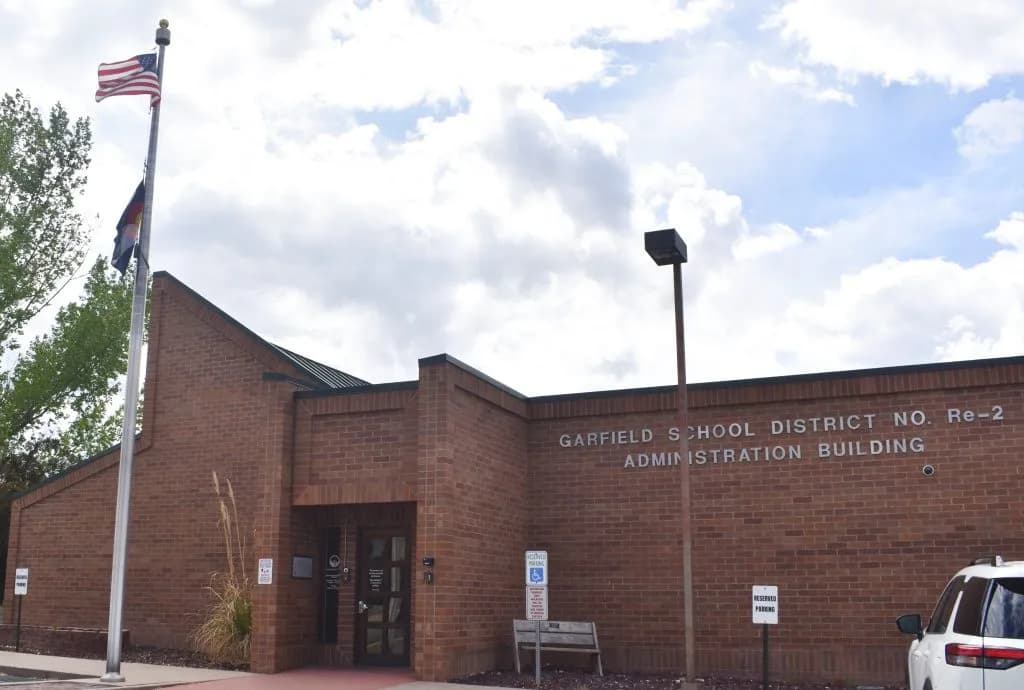
Garfield Re-2 UIP Reveals 46% Math Achievement Gap
Garfield Re-2’s new improvement plan reveals 46% of students score below approaching in math. The district faces persistent reading deficiencies and unexplained gaps for English learners and disabled students.
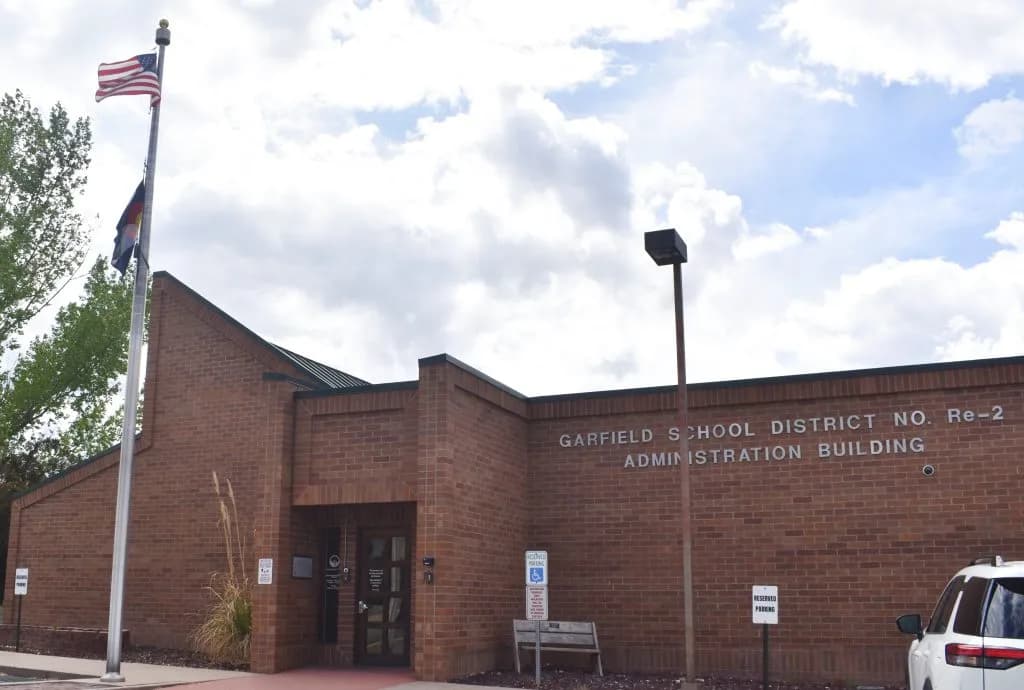
Glenwood Springs —Will Garfield Re-2 students actually read better next year?
The district thinks so. But the numbers are ugly.
Simone Richardson, the district’s elementary curriculum director, laid out the 2026-27 District Unified Improvement Plan to the school board Wednesday. It’s a data-driven roadmap. No fluff. Just gaps to fill.
The short version: Garfield Re-2 is good at getting kids ready for work. It’s okay at helping them grow academically. But raw achievement? That’s where the district stumbles.
Read that again.
At the district level, 46% of students fall into the “below approaching” category for math. For English language arts, the figure is 43%. These aren’t outliers. They’re the baseline.
Richardson framed these challenges against the district’s “graduate profile.” Four traits define a Garfield Re-2 grad: strong and determined, academically prepared, empowered, and community connected.
“This is our north star,” Richardson said. “This guides all of the work we do, all of the conversations we have are fixated on the graduate profile.”
It’s a nice vision. The problem is the execution.
The UIP flags two specific groups with “continued low achievement”: English language learners and students with disabilities. The district acknowledges the gap. It doesn’t fully explain how it will close it.
Context matters. The plan relies on the Colorado School Performance Frameworks, standardized tests like CMAS and PSAT, and community surveys. Staff culture is part of the equation. Aspen Business Group conducts these surveys. Two are planned for the coming year.
Theresa Hamilton, the district’s communications director, explained the goal.
“The overall goal of our staff surveys is to provide our leaders, both our building leaders and our district leaders, an insight into both the strong points and the stressors in our buildings, in our culture and climate,” Hamilton said.
Staff morale affects student outcomes. That’s settled science. But the UIP treats it as a secondary metric.
Elementary schools face a specific hurdle. About 30% of students in kindergarten through third grade have significant reading deficiencies. The Colorado Reading to Ensure Academic Development program defines these benchmarks. The source text cuts off here, but the implication is clear: early intervention is failing for nearly a third of young students.
Make no mistake, this is a heavy lift. The district has identified the problems. Now it has to solve them.
The plan is a precursor to comprehensive districtwide and individual school plans. Those documents will detail the specific actions. Until then, the UIP is the headline.
Academic achievement lags. Reading deficiencies persist. Specific student groups struggle. The district knows this. It has the data. It has the goals.
What it lacks is the proof.
The 2026-27 school year is the test. Will the “north star” guide the ship, or will it stay on the wall?
Worth watching.
Keep up with Glenwood Springs
The day's Western Slope news, one email each morning. Free.
Stone Creek Charter Sets $55,000 Jog-a-Thon Goal Amid Funding Gaps

Holy Name Preschool Suspends Operations After Staffing Crisis