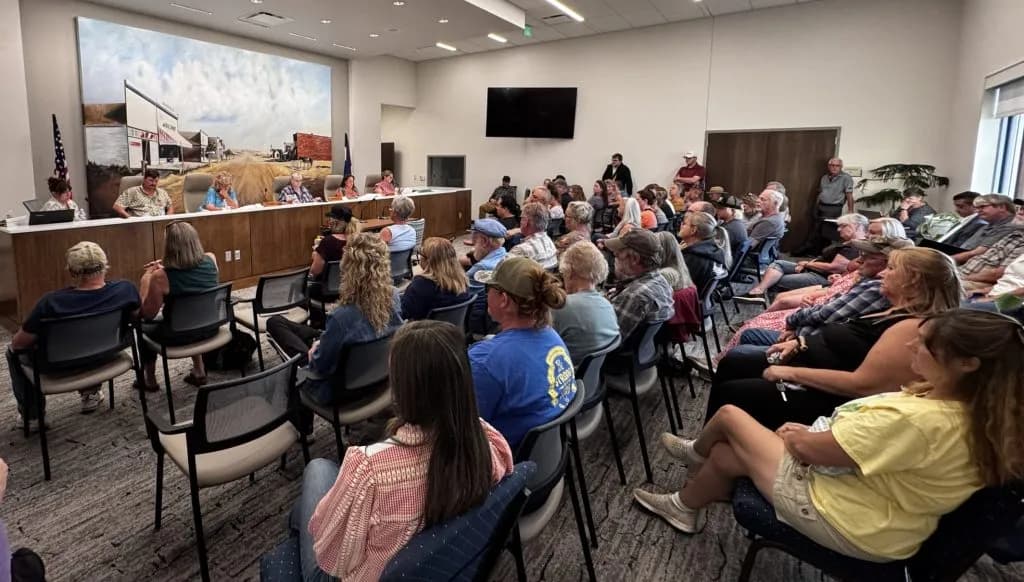
Glenwood Springs Files Lawsuit to Evict ICE Detention Facility
Glenwood Springs files a lawsuit against ICE and the GSA to evict its detention facility, betting that prolonged legal costs will force federal withdrawal despite constitutional hurdles.
Glenwood Springs —“We recognize the likelihood of success is difficult, attempting to tie up the federal government in court can be viewed as a win for activists and others fighting ICE.”
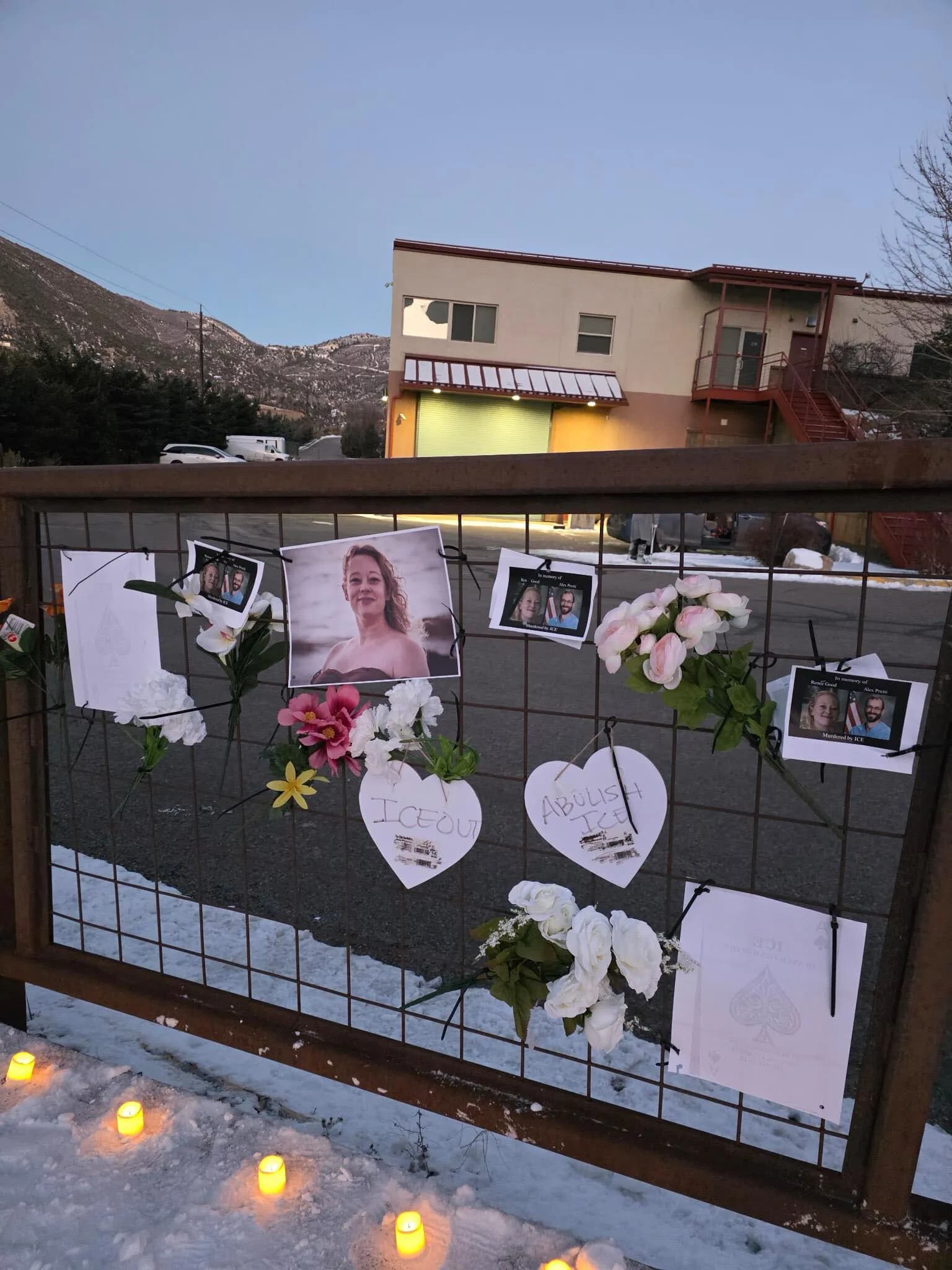
That’s the pragmatic calculus driving Glenwood Springs. Tucked at the edge of a shopping center, near a gym and a dental clinic just off Interstate 70, sits a nondescript office. For over 20 years, it operated without signs, quietly holding people arrested by U.S. Immigration and Customs Enforcement (ICE) in Garfield County until they could be transported to the detention center in Aurora.
But the quiet is over. Amid the scrutiny of the current administration’s immigration crackdown, the facility has become a flashpoint. Locals aren’t just complaining; they’re using the city’s own rulebook to try to evict the agency.
The strategy hinges on a specific condition in the facility’s operating agreement: detainees could only be held for a maximum of 12 hours. According to recent data, that rule was broken at least seven times last year. Residents noticed. They pushed. And in April, the city revoked the facility’s permit.
Now, the goal is to force ICE out of its space entirely, treating it like any other business that violated its pact with the city. To do that, Glenwood Springs is going to court.
City Attorney Karl Hanlon has recommended that city council members vote Thursday to file a lawsuit against the property owner, ICE, and the General Services Administration (GSA), which manages federal workspaces nationwide. The question is whether a local judge can override the supremacy clause of the U.S. Constitution, which allows federal law to trump local regulations when they conflict.
Hanlon acknowledges the odds. In a memo to council members, he wrote that Washington could get the case dismissed on constitutional grounds. But if the lawsuit survives the initial hurdles, it could take two or three years to reach a trial.
For the activists who have been organizing — some of whom recently erected a makeshift memorial for Renee Good and Alex Pretti, two demonstrators killed by ICE officers in Minnesota nearby — time is the weapon. They don’t necessarily need to win a definitive legal victory tomorrow. They just need to keep the agency occupied, distracted, and paying legal fees while the political pressure mounts.
The broader context here is a national shift. As public sentiment against the surge in immigration enforcement has hardened, local officials from coast to coast are being pushed to stand up to Washington. Using zoning rules and municipal regulations is a long-shot tactic, mostly untested, with varying results. But it has become a primary tool for constituents demanding action from their city councils and county commissions.
In Glenwood Springs, the move is already underway. The permit is gone. The lawsuit is being prepared. The only variable left is how long the feds are willing to let a small Colorado city dictate the terms of its detention operations.
To hear them tell it, this isn’t just about one building off I-70. It’s about whether a town can use its local leverage to change the federal footprint. And right now, the math suggests that even a loss in court is a win for the locals who started the fight.
Keep up with Glenwood Springs
The day's Western Slope news, one email each morning. Free.