Colorado Parks and Wildlife Kills Wolf After Four Calf Attacks
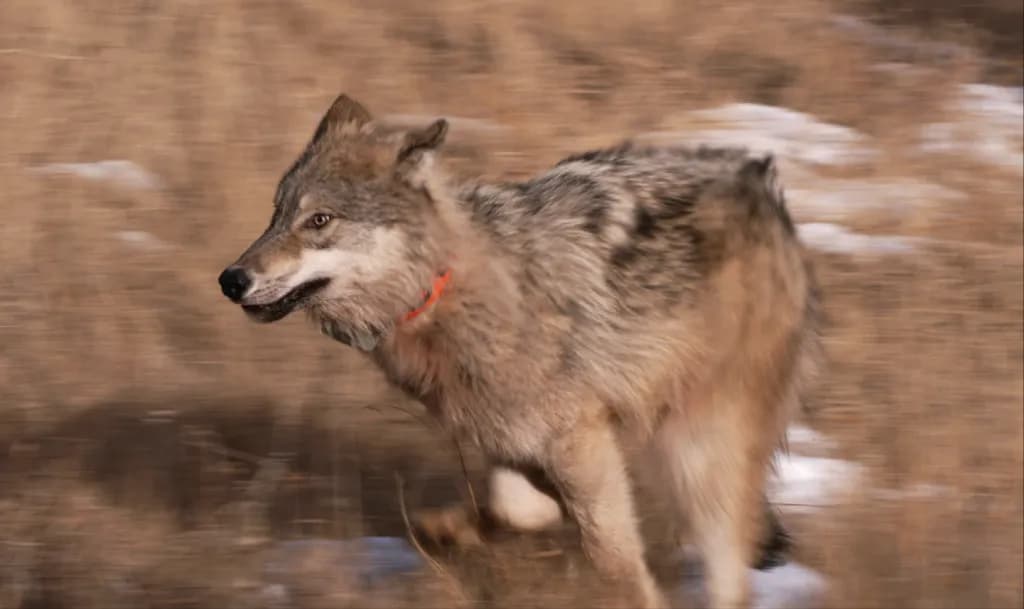
Colorado Parks and Wildlife killed an uncollared male wolf from the One Ear Pack on Aug. 4 in Grand County after it was tied to four calf attacks between June 29 and Aug. 1.
Glenwood Springs —"The decision to lethally remove a wolf is a very difficult one and a number of factors must be taken into consideration," Director Laura Clellan stated in the agency’s Wednesday news release. "Unfortunately after a thorough review, the determination of chronic depredation was made in this case."
On paper, that’s a lot of words for what amounts to shooting an animal. In practice, it means Colorado Parks and Wildlife (CPW) killed an uncollared male wolf from the One Ear Pack on Aug. 4 in Grand County. The reason? It was tied to four attacks on calves between June 29 and Aug. 1 across Grand and Jackson counties.
This marks the third wolf killed due to livestock conflict since the state’s reintroduction program began in December 2023.
Let's look at the timeline. The agency didn't just shoot this wolf because it was nearby. They waited for a specific threshold: "chronic depredation." CPW defines this as three or more depredation events within a 30-day window. This male met that criteria. He also came from a pack where producers had already tried the non-lethal tools — range riders, scare devices, and active human presence — without stopping the attacks.
Luke Perkins, CPW’s public information officer, told the Post Independent that the agency’s goal is "adjustment of pack behavior." The logic is incremental. Kill one member, see if the rest stop targeting livestock. If they don’t, CPW can remove more from that same pack.
This isn't the first time the agency has pulled the trigger. In May 2025, CPW killed a yearling from the Copper Creek Pack in Pitkin County. That pack was also linked to livestock attacks. Another uncollared wolf from that same litter, which had separated from its group, was tied to at least 22 sheep attacks between July 2025 and June 2026.
The authority to kill these federally protected animals comes from the special 10j rule with the U.S. Fish and Wildlife Service. It allows for lethal removal when specific conditions are met: chronic depredation, use of non-lethal deterrence by producers, and a likelihood that removing the wolf will change the pack's behavior.
For the folks running cattle in Grand and Jackson counties, this is about protecting their bottom line. The affected producers had completed site assessments, getting specific recommendations from CPW on how to minimize conflict. They used the tools provided. When those tools failed, they got a lethal response.
The cost of this specific wolf is measured in lost calves and the administrative weight of the review process. But the real cost to locals is the precedent it sets. If one wolf can be killed for four calf attacks, what happens when the numbers climb?
CPW’s directive suggests they will keep watching. They aren't clearing out the entire One Ear Pack with one bullet. They are testing whether removing a single chronic offender changes the herd's behavior. If the pack continues to target calves despite the removal, CPW will likely send more wolves down the line.
The data shows a pattern: reintroduction leads to conflict, conflict leads to non-lethal attempts, and failed deterrence leads to lethal removal. This latest kill fits that model. It’s not an outlier. It’s a calculated adjustment in a system trying to balance wildlife recovery with agricultural reality.
Keep up with Glenwood Springs
The day's Western Slope news, one email each morning. Free.