Glenwood Springs locals boost health with tap water and coffee
A Post Independent column breaks down Dr. Michael Greger’s hydration science, urging Glenwood Springs residents to prioritize tap water and moderate coffee for better health and lower costs.
Glenwood Springs —The morning light hits the pavement on 6th Street in Glenwood Springs, turning the asphalt a pale gray. Locals hurry past the coffee shops and grocery stores, gripping cups that range from paper to reusable steel. They are drinking for habit, but also for health — though the definitions of “healthy” have shifted over the last few years.
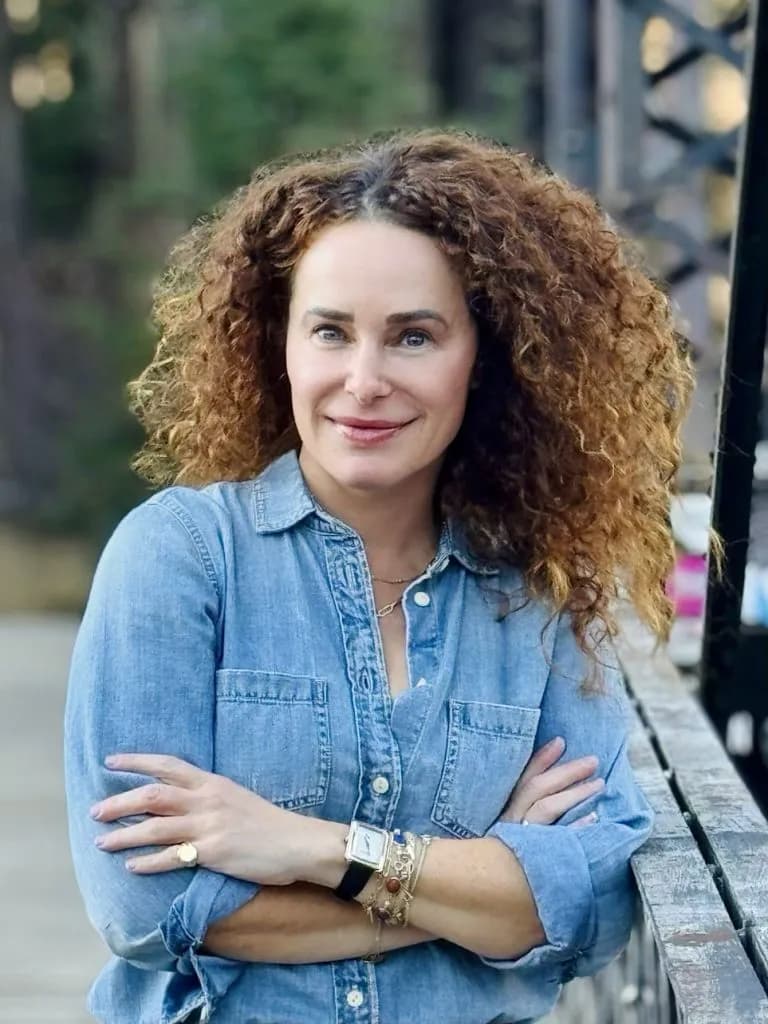
Feinsinger wrote in the Post Independent that what we drink matters just as much as what we eat. Her column, part of a series on Dr. Michael Greger’s 2026 book How Not to Die, breaks down the science of hydration. The message is simple: drink five servings a day, with each serving being 12 ounces.
Inadequate hydration isn’t just about thirst. It contributes to falls, fractures, heatstroke, and heart disease. It links to kidney stones, bladder cancer, and urinary tract infections. It even affects mood disorders, given that our brains are 75% water.
“The Beverage Guidance Panel,” Feinsinger noted, assembled a group of health experts to rank beverages by their nutritional benefits. Water, black sugar-free coffee, and tea sit at the top. At the bottom are sugary soft drinks, whole milk, and alcohol — beverages that lack health benefits or actively harm.
Dr. Greger’s personal favorites include water, unsweetened creamer-free coffee, hot chocolate, and a wide array of teas: black, chai, vanilla chamomile, Earl Grey, green, hibiscus, jasmine, lemon balm, matcha, peppermint, rooibos, and white.
The data on water is robust. Most studies correlating hydration with health focus on water intake. The U.S. Institute of Medicine and World Health Organization recommend eight to 11 cups daily for women, and 10 to 15 for men. That number increases for people sweating through activities like hiking the Colorado mountains.
Ten percent of that requirement comes from metabolism. Another four cups come from food. Dr. Greger recommends tap water over bottled.
“It’s less economically and environmentally costly,” Feinsinger wrote, “and it may have less chemical, microbial, and microplastic contamination than bottled water.”
For locals who find plain water boring, sparkling is an option. Devices like SodaStream allow residents to carbonate tap water at home. Others add fresh fruit or a few drops of potent juice concentrate.
Coffee deserves its own spotlight. Beans contain antioxidants and plant micronutrients. The effects vary by person, depending on age and whether they are slow or fast coffee metabolizers.
Used in moderation, coffee reduces liver inflammation and may lower the incidence of liver cancer. It improves alertness, cognitive ability, and mood. It decreases the risk of Type 2 diabetes, gallstones, kidney stones, and gout. It also reduces the risk of stroke, Parkinson’s disease, and Alzheimer’s disease.
Caffeine contributes to some benefits, but others occur with decaf. Pregnant women should avoid coffee, as should people with acid reflux (GERD), difficulty sleeping, and glaucoma.
The math holds up for the average Western Slope resident drinking tap water, black coffee, or tea. The choice is less about expensive trends and more about consistency.
Dr. Greger’s recommendations are not rigid rules but general guidance. They account for the fact that we get water from food, and that coffee isn’t just a caffeine delivery system.
The question is whether locals will adjust their daily habits based on this guidance. The cost of tap water remains low. The availability of coffee shops in Glenwood and Carbondale is high.
To hear them tell it, the path to better health runs through the kitchen faucet and the local coffee shop.
“Water is the baseline,” Feinsinger concluded, “but variety keeps it interesting.”
Keep up with Glenwood Springs
The day's Western Slope news, one email each morning. Free.