Glenwood Springs Workshop Explores Solar Plus Storage Resilience
A workshop in Glenwood Springs highlights how pairing solar with battery storage creates resilient microgrids, ensuring critical services stay online during grid failures and power shutoffs.

Glenwood Springs —The idea that your local power grid is fragile isn’t new. But the solution isn’t just burying wires or flipping switches. It’s about storing the sun.
Picture a shipping container-sized battery sitting in a field near Glenwood Springs. It’s not just sitting there. It’s watching the weather, waiting for the moment the grid stumbles. When the wind howls or the heat spikes, that battery doesn’t hesitate. It kicks in.
Here’s the thing though: we often think of solar as something that only works when the sun is shining. That’s the old picture. The shiny panels on the roof. The bluebird days. But pair that solar with battery storage, and you’ve got a different beast entirely. You’ve got resilience.
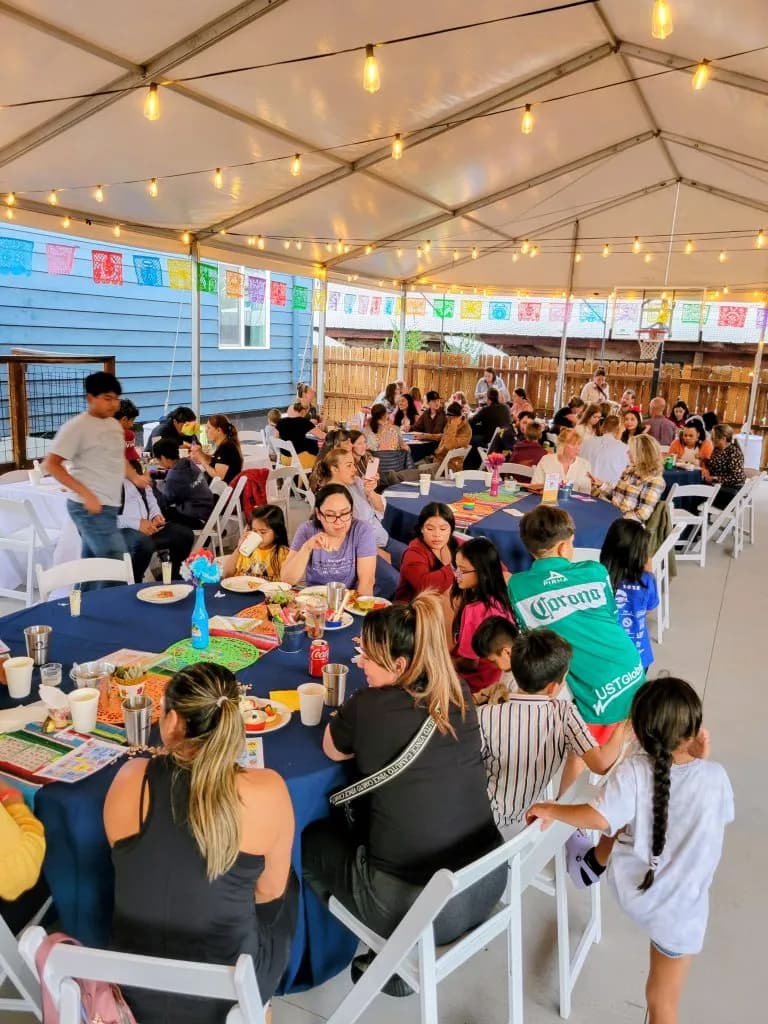
Garfield Clean Energy (GCE), the Clean Energy Economy for the Region (CLEER), and the COSSA Institute gathered at Morgridge Commons in April to talk about exactly this. They hosted a workshop called Solar + Storage for Communities. It wasn’t just a lecture. It was a conversation about how to keep critical services running when the rest of the state goes dark.
Earlier this spring, we saw a preview of why this matters. Xcel Energy planned power shutoffs for parts of Garfield County to stop utility lines from sparking during red flag warnings. They ended up canceling those shutoffs, which was good news for folks trying to get to work. But it was great food for thought. What if the lines had gone out? What if the shutoffs stuck?
That’s where the storage comes in.
Residential and commercial batteries aren’t just for backup lights. They provide flexibility for the grid to weather the unexpected. Vital public services need to stay online. Hospitals. Police departments. Fire stations. Microgrids make that possible. They combine battery storage with power generation and the ability to manage electrical flow. Think of it like a power bank, but scaled up to the size of a shipping container.
A microgrid can add power to the overall grid. Or, it can temporarily disconnect from the main grid and still maintain service to specific facilities. It isolates the critical infrastructure from the chaos outside.
But there’s a catch. A price tag.
Microgrids typically carry a 5-15% premium over a standard battery installation. That’s not a small number. It’s a significant hurdle for smaller communities or individual homeowners weighing the cost. Yet, the alternative — losing power for days during a wildfire or winter storm — is often more expensive than the premium itself.
The technology has advanced considerably since solar first debuted as a viable clean energy source. The precision is there. The flexibility is there. The question isn’t whether the tech works. It’s whether we’re willing to pay the premium to keep the lights on when the red flag warnings turn red.
Neighbors here know the feeling of a prolonged outage. We’ve seen it. We’ve felt the cold. We’ve missed the news. Solar + storage isn’t just an environmental play. It’s a practical one. It’s about keeping the hospital open. Keeping the police station staffed. Keeping the community standing when the grid fails.
The workshop in Glenwood Springs didn’t just talk about success. It talked about challenges. It talked about opportunities. And it pointed to a future where our energy system doesn’t just react to disasters. It survives them.
The sun still shines. The batteries still charge. And when the grid goes down, they’re ready to take over.
Keep up with Glenwood Springs
The day's Western Slope news, one email each morning. Free.