GoPro Mountain Games Transforms Vail Into Community Festival
The GoPro Mountain Games evolved from a niche competition into a chaotic, inclusive community festival in Vail, featuring the Short Dogs race, mud runs, and live music to boost local engagement and spending.
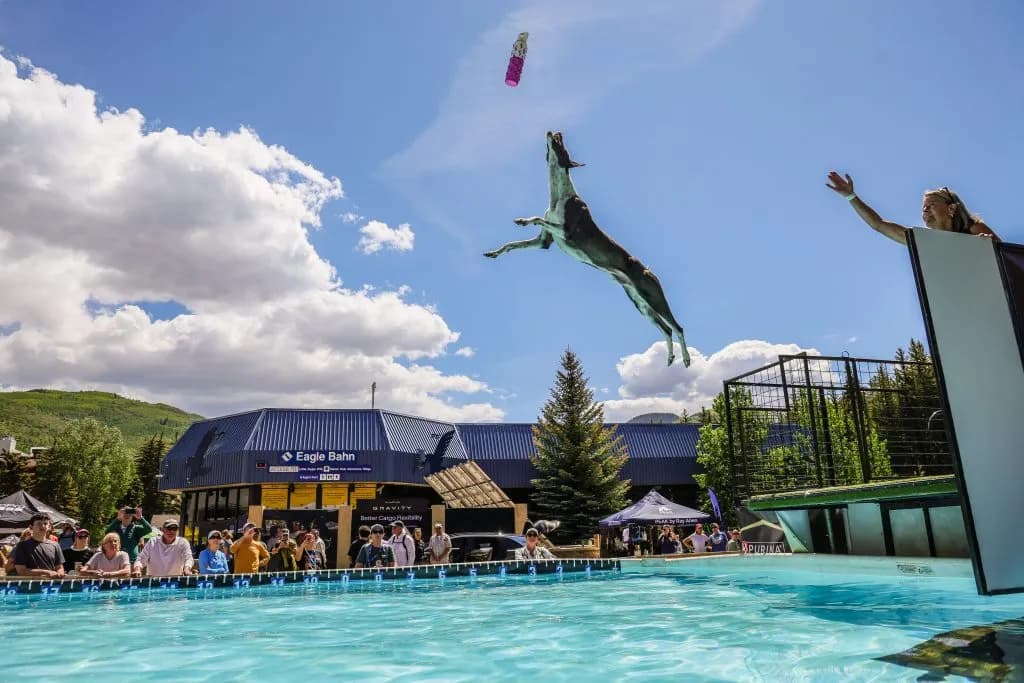
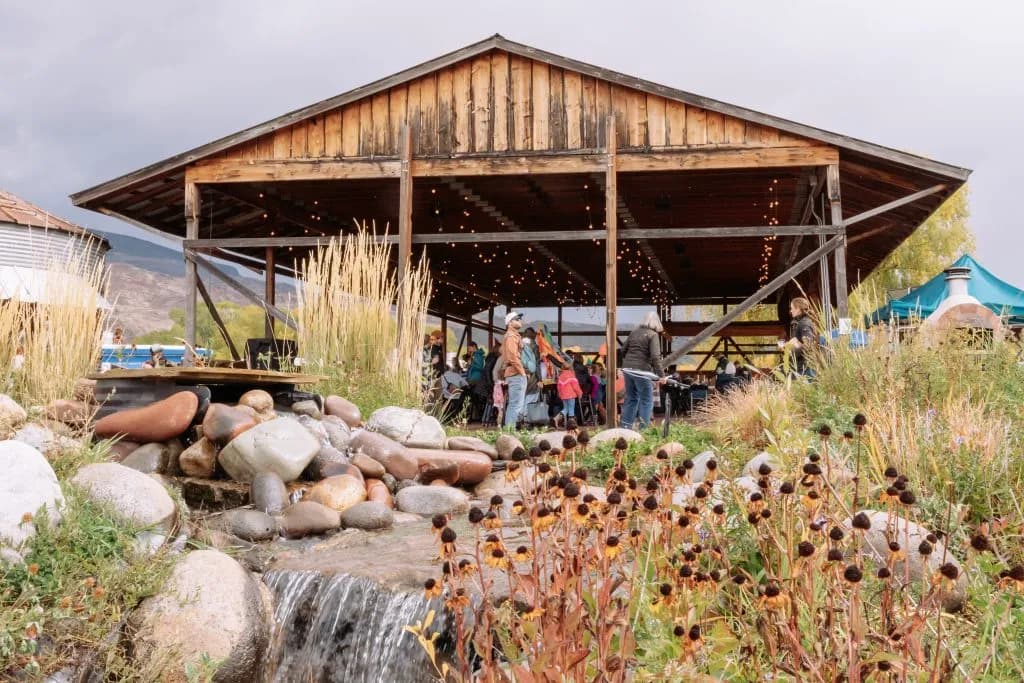
Aspen —The air in Vail still smells of wet dog and mountain mud. It’s a specific scent — earthy, chaotic, and undeniably local. You can hear the distant thrum of bass from the Turtlebox stage mixing with the shrieks of children sprinting up the slopes. It’s not just a sporting event anymore. It’s a full-blown community takeover.
The GoPro Mountain Games wrapped up Sunday in Vail, but the footprint it left on the valley floor is what matters. This wasn’t merely a competition. It was about small dogs, seven-year-olds, and yoga enthusiasts sharing the same space. The event transformed the three villages into a sprawling playground, proving that the Games have evolved from a niche contest into a cultural festival that locals actually recognize.
Look at the Short Dogs in Da House Mountain Race. It was the first of its kind. Small dogs took off, scrambling up the incline with a determination that rivaled the human competitors. It sounds silly on paper. It looked like pure joy on the ground. That’s the shift. The Games are leaning hard into accessibility. They’re inviting everyone in, not just those with a pro license.
Then there’s the Mud Run. Kids finished with a splash, covered in the kind of dirt that takes a week to wash out of car mats. It’s messy. It’s unglamorous. It’s exactly what people in the valley want on a weekend. They don’t always want polished performances. They want participation. They want to see their neighbors covered in grime, laughing as they cross the finish line.
Music played a huge role in tying it all together. Babaux and the Peacemakers played the Turtlebox stage, one of many scattered around the villages. Live music isn’t an afterthought here; it’s the heartbeat. And the Camp Coletrain Music Academy, based in Buena Vista, was right there on the ground. Coleman Smith worked with Finn Linnan, 7, of EagleVail. Smith said it’s "immensely rewarding" to work with kids at the Mountain Games. That’s the kind of connection that sticks. It’s not merely about the event happening; it’s about the people building relationships during it.
Yoga wasn’t forgotten either. The Rooted in Love yoga session drew people in on Sunday. It wasn’t a high-intensity workout. It was a moment of calm in the middle of the chaos. Pat Milbery gave fans love during the event, a simple gesture that speaks to the vibe. The Games are becoming a place where you can find peace and adrenaline in the same afternoon.
The short version? The 2026 Games succeeded because they stopped trying to be just a competition. They became a celebration of the community itself. The elite athletes were there — Shin Kikukawa inverted during the Trickline finals, showing off the technical skill that started it all, but they shared the spotlight with toddlers and musicians.
This matters for Vail. It matters for the local economy. When the Games draw this kind of diverse crowd, it’s not just skiers and snowboarders buying tickets. It’s families. It’s locals. It’s people who might not otherwise visit the villages in the off-season or shoulder season. The spending ripples out. The restaurants stay full. The hotels book up.
But look closer at what’s missing from the press releases. The official statements talk about "global reach" and "brand visibility." They don’t always talk about the small dogs. They don’t always mention the specific joy of a seven-year-old finishing a race. Those are the details that make the event feel real. They are the details that keep the community engaged year after year.
The Games are no longer just an event you watch. They are an event you live through. The mud, the music, the madness; it all adds up to something that feels distinctly Western Slope. It’s loud. It’s messy. It’s here to stay.
Keep up with Aspen
The day's Western Slope news, one email each morning. Free.
NWRM CASA Honors Judge O’Hara and Founders at 15th Anniversary
Craig Hosts Only Regional Special Olympics Bowling Competition