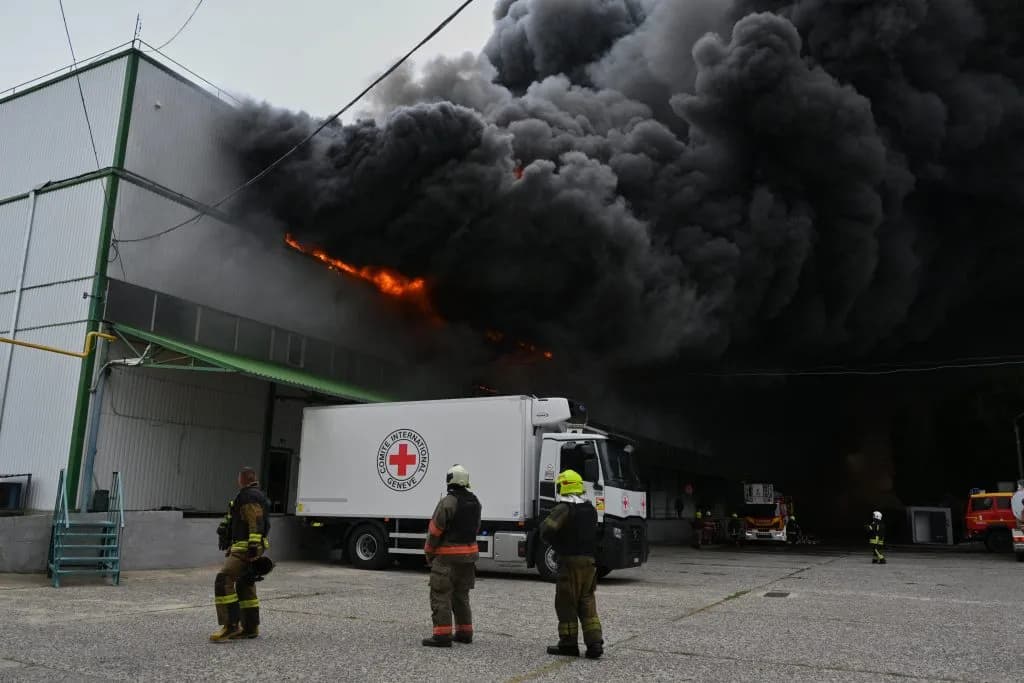
France Orders 4,000 More Evacuations as Gironde Wildfire Spreads
France ordered 4,000 additional evacuations along the Atlantic coast Tuesday as fresh flames erupted near Grand Crohot, widening the country’s largest peacetime evacuation while heat threatens firefighter control.
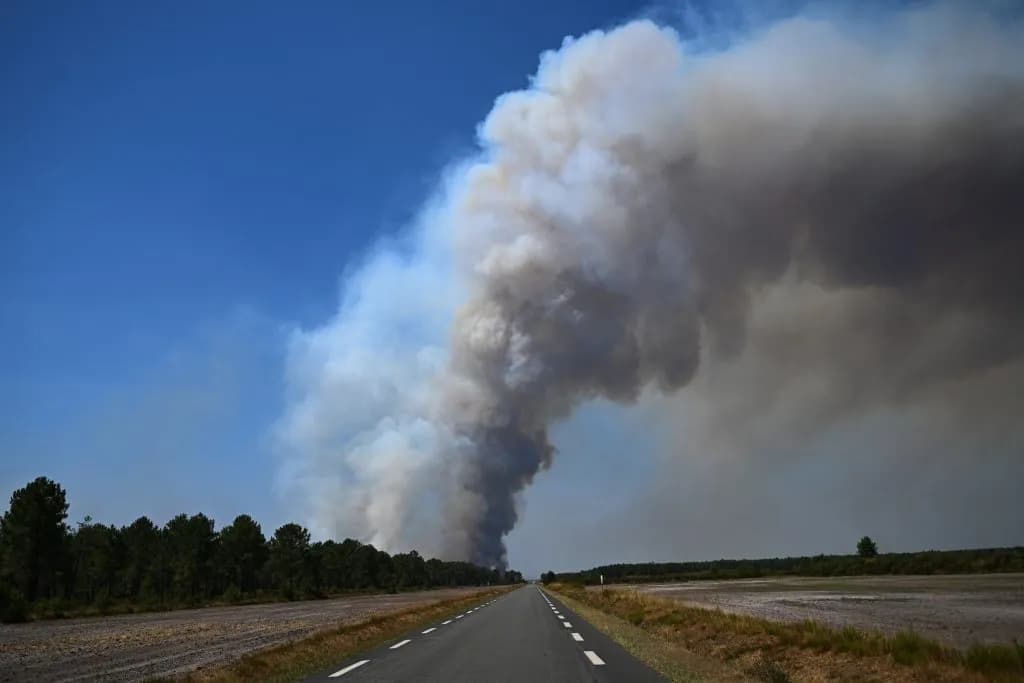
Aspen —France ordered 4,000 more evacuations along its Atlantic coast Tuesday. The move widens what may be the country’s largest peacetime evacuation. Returning heat threatened firefighters’ hold on a vast wildfire west of Bordeaux.
Fresh flames erupted later Tuesday near Grand Crohot, a popular beach on the Lège-Cap-Ferret peninsula. A fleet of 23 planes and helicopters dropped water and fire retardant. The number of aircraft rose from 18 to keep renewed flames from spreading.
Gironde prefect Sophie Brocas told the Vail Daily the situation remains complicated. “We’re not out of the woods,” she said.
About 60,000 residents evacuated from Le Haillan, Mérignac, and Eysines could return Tuesday. These areas sit outside Bordeaux’s ring road. No fires broke out in them, but residents must keep mobile phones on and emergency bags packed.
Thousands are ordered out of coastal resorts while others return. The opposing movements underscore how precarious the fire’s hold remains.
Across France and Spain, roughly 330,000 people have been driven from homes. Spain braced for its fourth heat wave of the summer. Several blazes burn out of control, including the largest in recorded history.
Spanish authorities began lifting evacuation orders after overnight progress.
The Gironde fire has burned an area four times the size of Paris. It forced 220,000 people to evacuate. Interior Minister Laurent Nuñez called it “very likely” the largest civilian evacuation operation in France outside of war.
Vacations continue despite precautionary orders. The order covers campsites, holiday villages, tourist residences, and leisure parks around Lacanau.
Eric Brocardi, spokesperson for France’s national firefighters federation, told BFMTV the team is at a point of fragility. They will continue attacking the fire despite forecast temperature rises.
Some vacationers refused to forfeit their trips. One family told Le Parisien they proceeded with a 4,000-euro ($4,558) holiday. Another group debated abandoning a vacation costing 650 euros ($741) each.
The fire created its own weather. At its most violent, the Gironde blaze generated a gargantuan black thundercloud. This pyrocumulonimbus cloud was electrified and lit from within. It produced lightning, violent winds, and new fires beyond the original front.
This phenomenon was the first recorded in France.
France’s national weather service placed Gironde under a yellow heat warning beginning at midday Tuesday. Inland temperatures are forecast to rise.
Make no mistake, this is not a routine summer fire. The scale of displacement — 330,000 people across two nations — is staggering. Yet the local response is measured. Brocardi’s “point of fragility” suggests one strong gust or heat spike could reset the clock.
The 4,000 new evacuees join a growing list of displaced tourists and locals. They are moving away from the immediate threat but remain within striking distance. The 23 aircraft on station provide a buffer, but they cannot stop the heat.
Brocas’s directive to keep phones on is practical. It keeps the 60,000 returnees reachable if conditions deteriorate overnight. It is a low-cost insurance policy for high-stakes real estate.
The economic impact is visible in the holiday costs. A 4,000-euro trip is not trivial for most families. The decision to stay rather than flee represents a calculated risk. They are betting on the firefighters’ progress.
The pyrocumulonimbus cloud is the wildcard. It generates its own lightning and wind. It can start new fires miles ahead of the main front. This makes containment difficult. Firefighters cannot simply hold a line. They must anticipate attacks from above and within.
Nuñez’s assessment of “very likely” is significant. It shifts the narrative from a large fire to a historic event. The comparison to wartime evacuations underscores the logistical burden.
The yellow heat warning adds another layer of stress. High temperatures dry out vegetation. They make fuel more combustible. The 23 aircraft are working harder to keep pace with the drying conditions.
The story is not just about France. The 330,000 figure includes Spain’s struggles. The heat wave is systemic across southwest Europe. It is not an isolated incident.
The short version: France is expanding its evacuation zone. The fire is still growing. The weather is turning against the firefighters. Locals are watching the skies, not just the flames.
Keep up with Aspen
The day's Western Slope news, one email each morning. Free.