Grand Junction Sets New August Record as Super El Niño Arrives
Grand Junction recorded a new August high of 105 degrees, signaling an aggressive summer end. Forecasters predict Super El Niño will bring hotter, wetter conditions that reshape local farming and ski seasons.
Grand Junction —105 degrees. That is the new record for August in Grand Junction, a number that shatters the previous high and signals just how aggressively summer is refusing to leave.
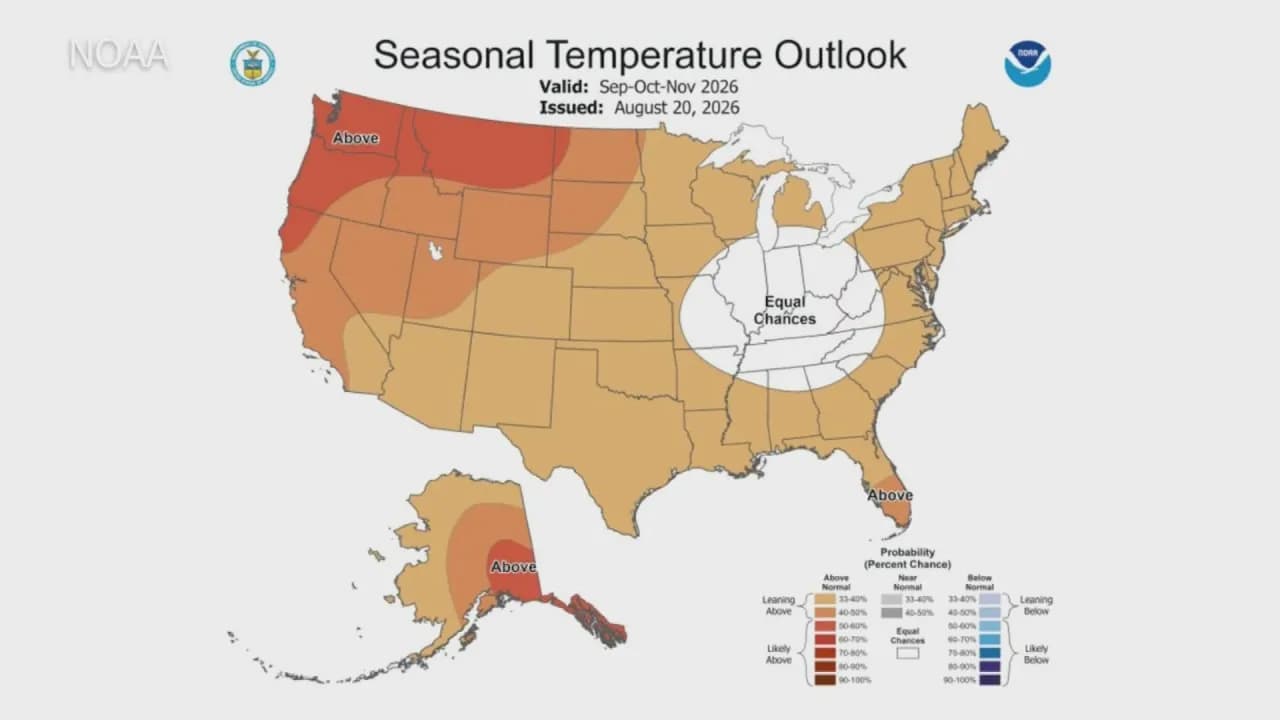
According to a report from Western Slope Now, the National Oceanic and Atmospheric Administration’s Climate Prediction Center indicates that all but a few states are leaning toward hotter-than-normal temperatures between September and November. For Northwest Colorado, the odds of higher temperatures hit up to 50 percent. But heat isn’t the whole story; moisture is coming, too.
Warning coordination meteorologist Greg Heavener explains that the jet stream is the driving factor here. Even with temperatures climbing back into the low to mid-90s, enough moisture is trapped under that ridge that no part of the state remains completely dry. For context, this isn’t just a local quirk; it’s part of an ongoing Super El Niño pattern that brings more moisture to Colorado and the Four Corners later in the year.
This mix of heat and water has immediate consequences for agriculture, but not everyone is panicking. Talbott Mountain Gold’s farm manager Bruce Talbott says the operation is in the clear for this year. He notes that they were fortunate on both the fruit and wine sides because of an early season. "The vast majority of everything we have will be harvested before we run out of water," Talbott recalls. For a region that has been fighting drought for years, finishing the harvest ahead of the moisture crunch is a significant win.
The tourism sector sees it differently, and frankly, better. Powderhorn Mountain Resort isn’t worried about the heat; they’re hoping for the rain. In a letter to KREX, spokesperson Ryan Robinson argues that the potential for increased moisture outweighs concerns about warmer temperatures. Rain during their winter operating season is exceedingly rare, so when storms arrive with warmer temps and wetter, heavier snow, that moisture becomes beneficial. Dense snow provides excellent terrain coverage and helps establish the durable base they rely on throughout the season.
Robinson points out that historically, El Niño winters tend to be better than average for Powderhorn. "We have reason for cautious optimism," he writes, but adds the industry’s standard disclaimer: you don’t count inches of snow until they’re on the ground. Ultimately, the timing and consistency of the storms will matter more than any long-range outlook.
Let’s do the math on what this means for your wallet and your commute. A hotter autumn impacts crops, which affects the food supply and raises prices across the board. You’ll likely see that at the grocery store in October, even if your local peach crop made it to market on time. Meanwhile, the ski industry is betting that "wetter" translates to a better snowpack, which means more lift tickets sold and more traffic on the highways leading up to the mountains.
For Grand Junction, the immediate reality is that temperatures will decrease in the coming months but remain above average. The 105-degree August is a data point, not an anomaly. It’s the new baseline for how hot it gets here before the first frost.
The practical bottom line: expect higher utility bills for cooling through early fall, and prepare for a ski season that could be robust if the El Niño pattern holds. The weather isn’t just changing; it’s shifting the economic gears of every industry from farming to tourism.
Keep up with Grand Junction
The day's Western Slope news, one email each morning. Free.


Friends of GJ Depot Secure Majority Funding for Historic Union Depot Restoration

Grand Junction Police Arrest Four Men in Weekend Drug Sweeps