Gypsum Voters Decide November Lodging Tax as New Hotels Rise
Gypsum voters will decide in November whether to replace the county lodging tax with a municipal version as new hotel projects break ground, aiming to keep the estimated $200,000 annual revenue local for infrastructure.

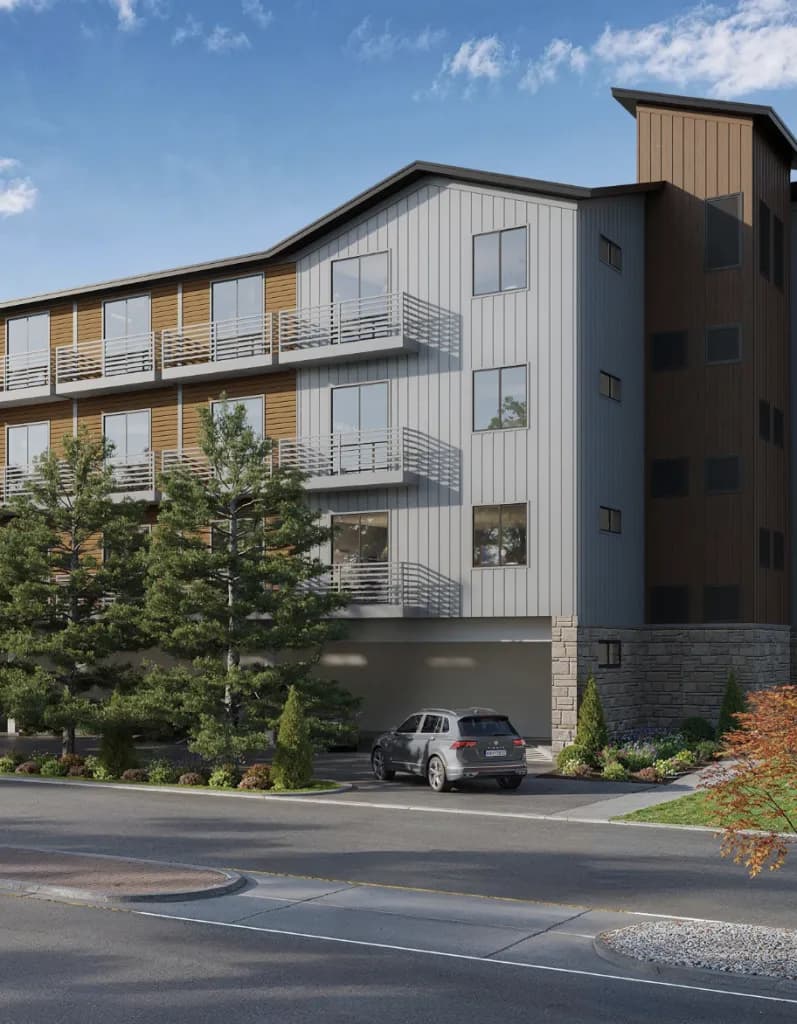
Aspen —The Echo Suites Hotel by Wyndham is currently a skeleton of steel and concrete rising near Costco, a 124-room promise of future revenue that doesn’t quite exist yet. But the money it will eventually generate is already being debated.
This November, Gypsum voters will face a familiar question: should the town replace the Eagle County lodging tax with its own municipal version? The answer, according to the Town Council, is a straightforward exercise in local control. The current setup funnels 4% of overnight stays into the county coffers, where only a fraction stays local. A new town tax keeps that 4% right here, funding roads, parks, and special events.
It sounds like a no-brainer. It sounds like the logical next step for a town that is suddenly, aggressively, becoming a destination.
But let’s look at the timing. Gypsum voters rejected a lodging tax just last year, in 2024. They said no. The reason was simple: there were no hotels. There was no immediate revenue to speak of. Now, with two major hotel projects breaking ground — one already permitted, the other under construction — the narrative has shifted from "if we build it" to "we are building it, so we need the tax."
The part everyone skips past is the math. Preliminary estimates suggest the town could collect about $200,000 a year once the first hotel opens. That number is expected to grow as the second hotel, a 140-room Hampton Inn/Home2 Suites, begins operating. Is $200,000 enough to justify the political friction of another ballot measure? It’s enough to pave a few roads. It’s enough to fund a few festivals. It’s not enough to solve a budget crisis, but it is enough to create a new revenue stream that didn’t exist before.
The counterargument, the one that got the tax rejected in 2024, was that the county tax was sufficient. Under state law, 10% of Eagle County’s lodging tax revenues must be spent on tourism advertising and marketing. The rest goes toward county voter-approved uses such as affordable housing, childcare, and public safety. These funds are not required to be spent proportionally in Gypsum. So, while Gypsum hotels pay the tax, the benefits, affordable housing units in Carbondale, for instance - might not be felt on Gypsum Avenue.
The council’s pitch is that this is different. This is a "repeal and replace" scenario, similar to the tobacco tax approved in 2020. In that case, the rate stayed the same, but the revenue generated in Gypsum was instead collected and managed by the town, allowing those dollars to support local priorities. The logic holds: if you’re staying in Gypsum, your tax dollar should fix the pothole on your street, not the one in Avon.
Yet, the shift in circumstances is stark. For many years, Gypsum had very little lodging activity. That is changing quickly. A 124-room Echo Suites Hotel is currently under construction and scheduled to open in 2027. A second hotel has received its building permit. Both hotels will open near Costco within the next two years. Those new hotels will bring visitors, economic activity, and fresh opportunities. A local lodging tax ensures that revenue generated from their overnight stays can be invested in Gypsum’s infrastructure and capital needs.
The town council argues that the previous rejection was based on a lack of inventory. Now, the inventory is arriving. The question isn’t whether the tax will generate revenue; it’s whether the town can manage the influx of visitors and the associated strain on infrastructure before the tax base fully matures.
Stand there long enough and you can see the construction cranes. The permits are visible, too. The $200,000 annual projection is clear. What you can’t see is the political cost of asking voters to approve a tax they just turned down. But the council believes the context has changed. The hotels are coming. The money is coming. And the town wants to make sure it stays here.
The final decision rests with the voters in November. They will look at the same 4% rate they rejected last year, but they will look at it with a different backdrop. The construction noise will be louder. The hotel beds will be full. And the question won’t be whether Gypsum can afford a lodging tax, but whether it can afford not to have one.
Keep up with Aspen
The day's Western Slope news, one email each morning. Free.