Heather Hansman Reveals Erased Women in West Through New Book Fierce Country
Durango writer Heather Hansman explores the lives of Georgie White, Anne LaBastille, and Dolores LaChapelle in her new book, Fierce Country, to highlight how women’s contributions to the West were sidelined in traditional outdoor narratives.
The Colorado River cuts through the red rock of the Grand Canyon like a wound that never quite heals, or maybe just never quite finishes closing. Standing on the rim at Crystal Rapid, the air is thin and dry, smelling of dust and ancient stone. It’s the kind of place where you feel small, not in a spiritual way, but in a geological one that reminds you how temporary your own life is compared to the river’s patience.
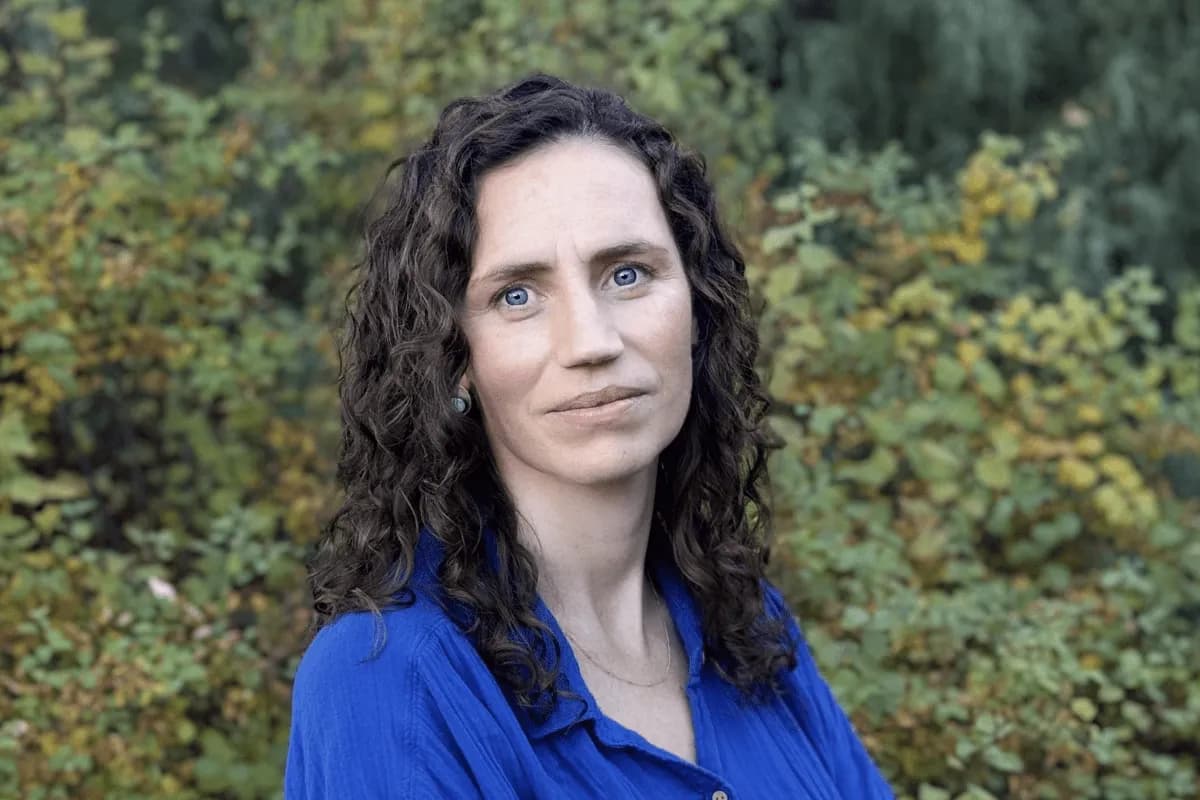
Heather Hansman knows this feeling. She’s spent decades chasing it, writing about it, and trying to figure out why the women who helped shape our relationship with these landscapes have been largely erased from the storybooks.
In her new book, Fierce Country, Hansman doesn’t just tell the history of three specific women — Georgie White, Anne LaBastille, and Dolores LaChapelle. She uses their lives as a lens to look at something much bigger: how we treat the land, how we treat each other, and why the "hero" narrative we love so much in outdoor journalism often fails us.
"I’ve lived and worked in the outdoor world my whole adult life, both in guiding and in journalism," Hansman said. "And for me, that’s so intertwined with care for landscape."
It’s a simple statement, but it carries weight for folks around here who spend their weekends on the trails or their weekdays worrying about water rights. We like to think of the outdoors as a playground, or a temple, or a resource. Hansman argues it’s all of those things, but mostly it’s a mirror. And for a long time, the reflection we saw was distorted.
The problem wasn’t that women weren’t out there. The problem was that their stories got sidelined, pigeonholed, or belittled. Hansman didn’t realize this until she was in her late 30s. She was looking for role models — people who showed her how to live well in a world that often felt hostile to women, how to be obsessed with something without destroying it. Instead of finding clear-cut heroes, she found complexity.
"Those women showed me how in different ways," Hansman noted, "to be committed to something I loved and to take care of the landscape that supported it."
Take Georgie White, the first female Grand Canyon guide. To report on her, Hansman had to go back to the source. She stood in Crystal Rapid, one of the canyon’s most formidable sections, and watched the water rise. It was there, in the whitewater, that Hansman realized her own experience mirrored White’s. They both almost got into trouble. They both loved the landscape enough to risk it.
But White wasn’t just a guide. She was part of a shifting attitude toward land use and abuse. She was part of the story of who gets to speak for the wilderness. And that matters because, as Hansman points out, the history of outdoor recreation in the U.S. is tied up in changing attitudes about public land. Whose voices are heard? Whose are ignored?
The book isn’t just a biography. It’s an inquiry. Hansman wanted to know why we need heroes, and why the simple story of a brave woman conquering nature doesn’t quite fit anymore. These women were too complicated for simple hero stories. They were climate scientists, philosophers, skiers, and guides. They were messy. They were fierce.
And they were real.
For locals who read The New York Times or Outside and see the same glossy photos of the same peaks, this book offers a different angle. It’s not about the next big ski jump or the perfect photo op. It’s about the history that built the trails we hike today. It’s about the women who were there before us, who mapped the rivers, who studied the climate, and who fought to keep the land wild while we figured out how to visit it without breaking it.
Hansman lives in Durango, right by the river. She writes for the big outlets, but her heart is in the West. She knows that when we discuss conservation, we’re not just talking about trees and water. We’re discussing ethics. We’re exploring gender. We’re examining obsession.
Stand there long enough at Crystal Rapid and you’ll hear the water roar. It’s loud enough to drown out your thoughts. But if you listen closely, you can hear the echoes of the people who came before, trying to make sense of it all.
Keep up with the Western Slope
The day's Western Slope news, one email each morning. Free.