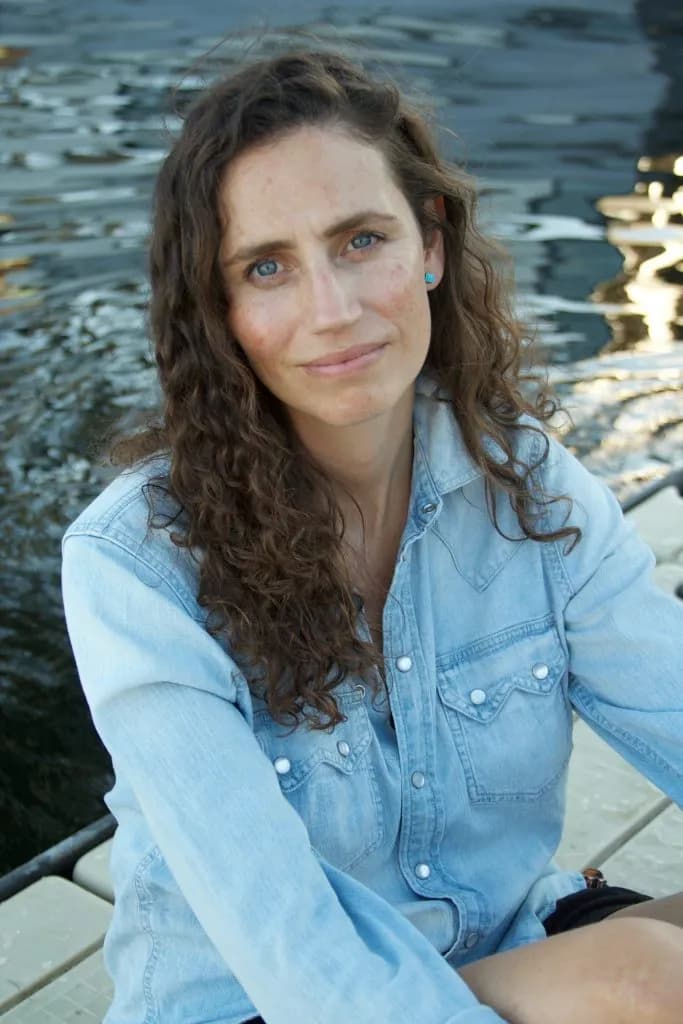
Heather Hansman Uncovers Georgie White's Hidden Grand Canyon Legacy
Author Heather Hansman retraces Georgie White’s steps down the Colorado River, revealing how the first female guide’s bold approach to Crystal Rapid contrasts with modern technical rafting.
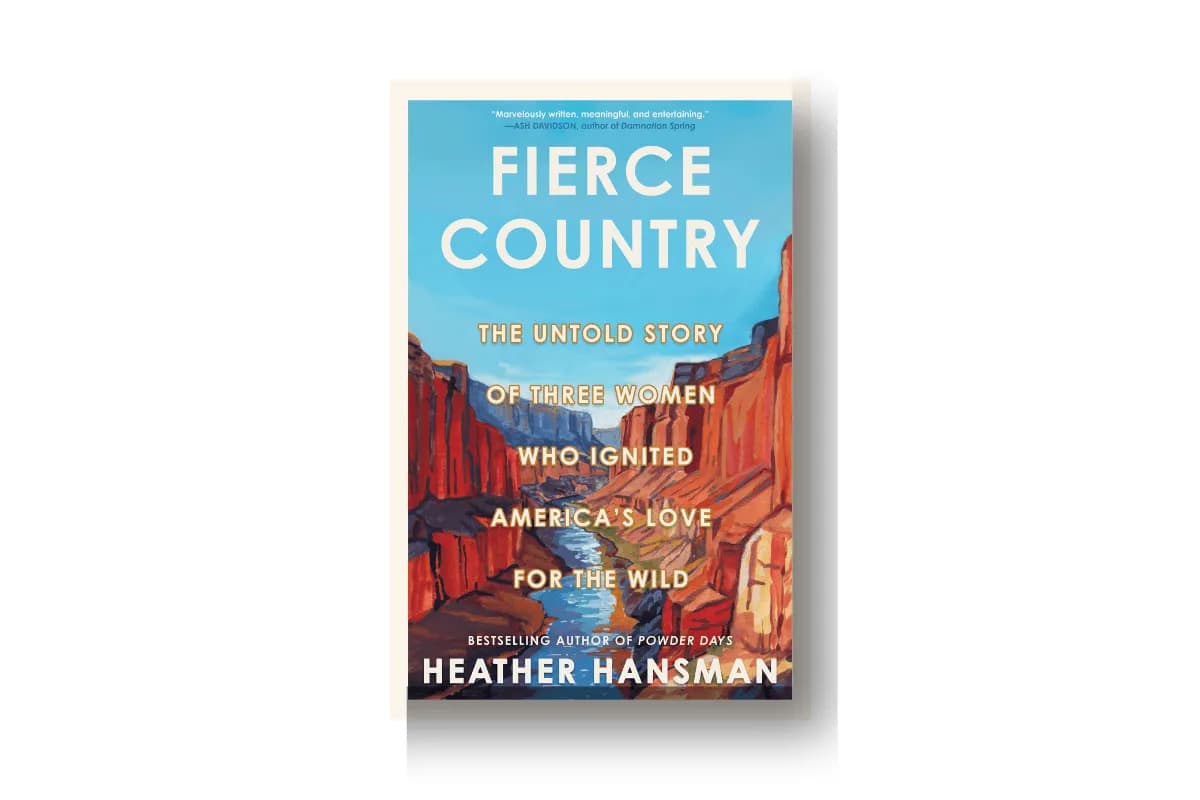
The air in the Grand Canyon doesn’t just sit; it hums, especially after a storm has washed away the dust and left the river thick, redder, and warmer than usual. On day twelve of a journey through what author Heather Hansman calls “Fierce Country,” the energy shifts from mere endurance to something sharper, keyed up and ready for the next big test. This isn’t a leisurely float down the Colorado; it is a negotiation with brute force and sudden, deceptive finesse, played out across granite walls that have watched the river carve its path for millennia.
Hansman, whose work explores the intersection of nature and human history, is following in the wake of Georgie White, the first female Grand Canyon guide. But this isn’t a simple tribute. It’s an excavation of why White’s story, so central to the river’s identity, remained underwritten for decades while the outdoor world built its own pantheon. Hansman admits she is complicated, a hero who didn’t fit the mold of the era’s dominant narratives. To understand her, Hansman has to navigate not just the rapids, but the silence that surrounded White’s legacy for so long.
The river itself is a character in this story, particularly when it comes to Crystal Rapid. In 1966, a thousand-year flood ripped a ridgeline of rocks down into the channel, creating a new, meaner rapid that Georgie White claimed as her favorite. Yet, she didn’t run it the way modern guides do today. While contemporary rafters often take a narrow, risky “sneak” line to avoid the worst of the turbulence, White ran right through the meat of the white water in her big G-rig. She disappeared into the hole, letting the boat buck and roll, trusting brute force over careful calculation.
Today, that choice defines the experience for those who follow. As Hansman and her crew climb to the scout point on Ego Beach, the tension is visible in the jaw of Evelyn, who rows the boat. There is a skinny line between a reef of rock and the edge of a huge, boat-flipping hole — barely a boat wide. “You have to wait in the current till it pushes you past the rocks and then pull like hell away from the hole,” Evelyn says, her voice tight with the memory of the river’s power. Jeff stands nearby, tracing the line in the air with his hand, confirming that there is no other good option but the sneak.
It’s a stark contrast to White’s approach, and it highlights how our relationship with the river has evolved. We have become more technical, more aware of the specific dangers lurking beneath the surface. But in doing so, have we lost something of the raw connection that White felt? Hansman’s journey suggests that finding heroes in the outdoor world requires looking past the polished narratives of modern adventure. It requires noticing who was there, who struggled, and who stayed quiet.
As the raft casts off into the current, the water seems to hold its breath. The line looks clear until it doesn’t, a reminder that the canyon is never truly static. Grit remains in the scalp, toes are busted, and heels peel from the long days on deck. But there is a warmth to the river now, a thick, golden quality that feels like an invitation rather than a challenge. You can feel it pulling you forward, toward the white water and the history buried within it.
Keep up with the Western Slope
The day's Western Slope news, one email each morning. Free.
Aspen's ACES Returns Annual Harvest Party to Rock Bottom Ranch
Glenwood Ghostwalk Brings Frontier History to Life in Linwood Cemetery