How Fly Fishing Gear Costs Break New Anglers in Vail
Discover why fly fishing is expensive and how buying a complete outfit like the Echo Traverse saves money for new anglers in Vail.
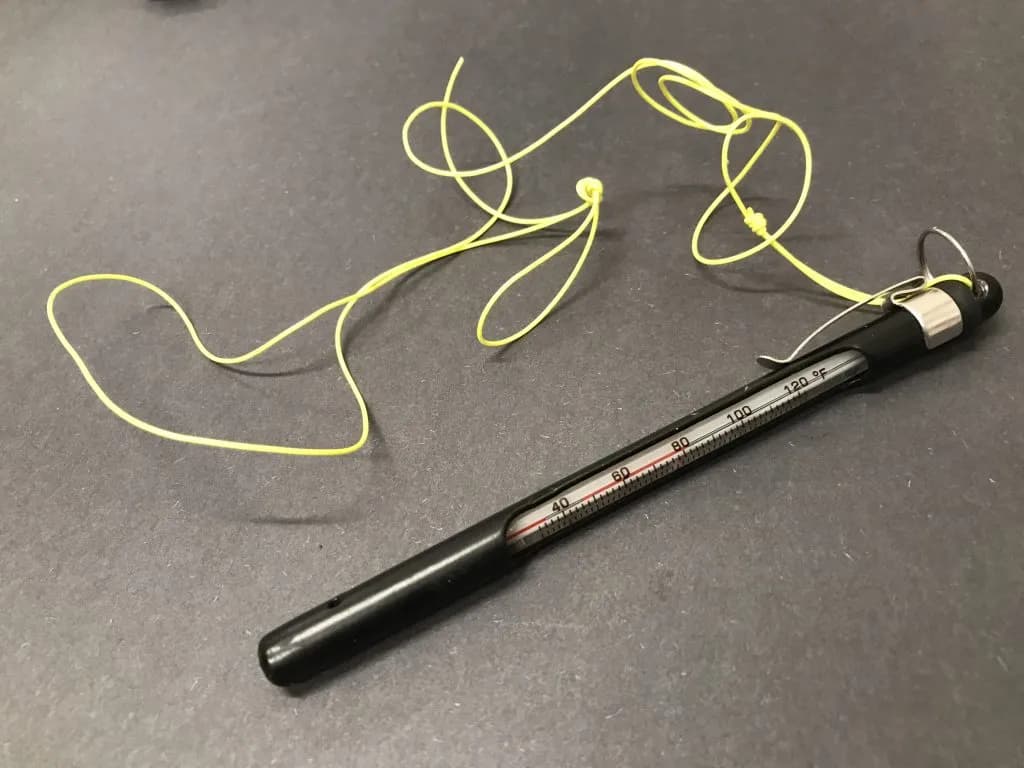
Aspen —The parking lot at Vail Valley Anglers smells like wet neoprene and expensive advice. It is a specific scent, one that hits you the moment you step out of your truck and realize you are about to spend more on plastic and glass than you did on your first car.
New fly fishers arrive here with a romantic notion of the sport. They picture a quiet meadow, a gentle breeze, and a single, perfect cast. They do not picture the learning curve. They do not picture the broken rods, the tangled lines, or the sheer financial shock of realizing that a single spool of fly line can cost more than a tank of gas.
Here’s the thing though: fly fishing is not just about casting a feathered hook into a river. It is a mechanical process. It is physics. It is a thickly-coated line providing the weight to throw a nearly weightless fly through the air. And to do that, you need gear. Not just any gear. Dialed-in gear.
Michael Salomone knows this. He watches his daughter, a competent angler, wield an Echo Traverse outfit. It is durable. It can withstand the abuse of someone who hasn’t yet cultivated a respect for premium-priced equipment. It minimizes replacement costs when something catastrophic occurs — which it will. You will break it. You will lose it. You will hang it in a tree branch because you were trying to too clever.
Before you even hit the water, you need a rod, a reel, a fly line, and a tapered leader. Most newcomers try to buy these items individually, thinking they are curating a custom setup. They are not. They are bleeding money. A complete outfit from a company like Echo, Orvis, Redington, or Lamson is cheaper than the sum of its parts. The fly line alone is a surprisingly high cost, often overlooked by the eager beginner who thinks the rod is the most important piece of the puzzle.
But the rod is only half the story. The consumables are where the real budget goes. Leaders and tippet are constantly consumed. Dry-fly floatant depletes. Flies get lost to tree branches, tough fish, and poor casting results. Salomone advises a simple habit: always buy two or more of whatever fly you select. Having a backup is not just convenient; it is psychological armor. It keeps you on the water when the fish are finicky.
And then there are the trinket tools. A pair of hemostats for safe, rapid hook removal — because those hooks are tiny, and your fingers are clumsy. Line nippers to trim knots. These are not optional. They are necessities.
The allure of fly fishing is its subtle serenity. It is immersive. It combines knowledge with physical performance. But that performance requires a foundation. It requires a system. It requires an Echo Traverse outfit that can take a beating.
Picture this: You are standing in the Colorado River, the sun rising over the flats. You cast. The line unrolls. It works. Not because you got lucky. Because you bought the right outfit. Because you have a backup fly. Because you have your nippers.
The river does not care about your budget. It only cares about your skill. And your skill is limited by your gear. So you buy the outfit. You buy the consumables. You accept the cost. Then you go fish.
Keep up with Aspen
The day's Western Slope news, one email each morning. Free.
Tribal members bless Mount Blue Sky summit for Colorado sesquicentennial
Craig Press Merges Two Magazines to Define Northwest Colorado’s Outdoor Identity