How Strait of Hormuz Closure Drives Up Glenwood Springs Gas Prices
An analysis of how the closed Strait of Hormuz and diverging US-Israel war strategies are directly impacting fuel costs for residents in Glenwood Springs and the broader Roaring Fork Valley.
Aspen —A $14 million project. Twelve units.
Wait, that’s the housing story. Let’s pivot.
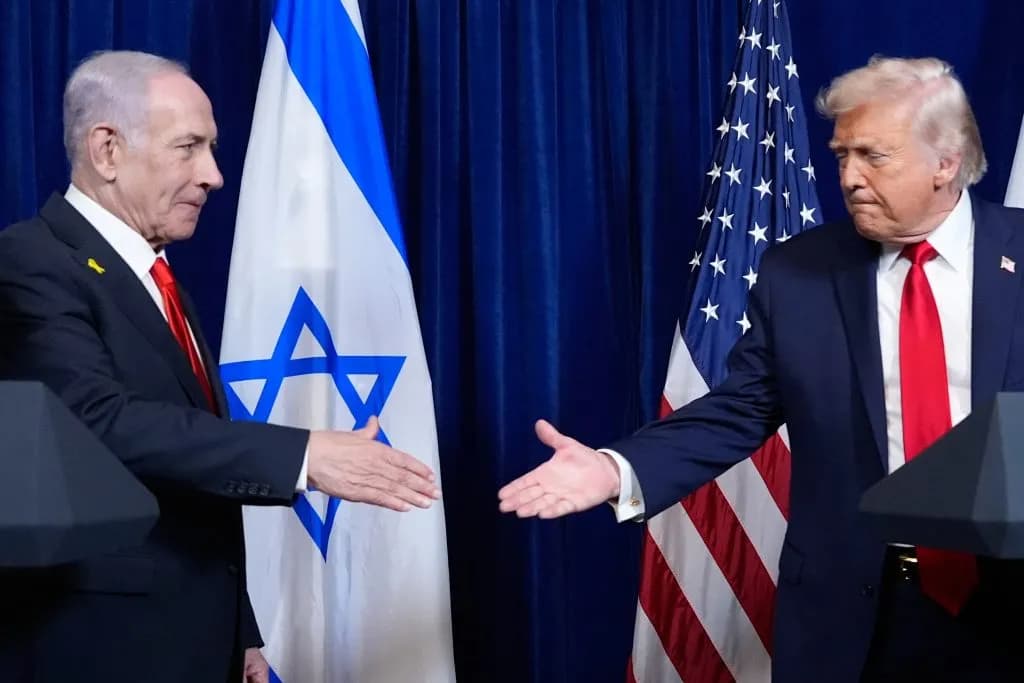
The Strait of Hormuz is closed. Gas prices in Glenwood Springs are climbing. And across the Pacific, Donald Trump and Benjamin Netanyahu are fighting a war they started together, but now want to end for completely different reasons.
It’s not just geopolitical theater. It’s a direct hit to the wallet of anyone in the Roaring Fork Valley who fills up at the Shell on 13th Street.
Trump wants a quick win. He wants to reopen that choke point so crude can flow, and so he can point to lower gas prices before the November congressional elections. He’s looking at the map and seeing a campaign promise broken: another Mideast quagmare that drags on too long.
Netanyahu? He’s playing a different game. He’s under pressure to prove he’s actually winning the war that started on his watch in October 2023. Two years later, Hamas still holds part of Gaza. Hezbollah still fires rockets. Iran’s nuclear program is still there, just bruised. He can’t afford to stop. Not yet.
Let’s do the math on the friction.
When the U.S. and Israel struck Iran on Feb. 28, they looked like a united front. Trump announced the death of Iran’s supreme leader in the opening barrage. Netanyahu promised to eradicate the nuclear and ballistic missile programs. They were shoulder to shoulder.
But the alliance cracked the moment the dust settled.
Trump got his "Venezuela moment" — a swift, decisive strike. Netanyahu wanted total vanquishment. He wanted the extended conflict.
The result? Iran fired ballistic missiles at Israel for the first time since the April ceasefire. Israel struck back. The fighting has died down, but the political divergence is permanent.
Trump is pushing back against critics who say he’s failed to keep gas prices down. The price of goods soared when the Strait stayed closed. Even his own party is getting nervous. If the war drags on, the Republicans lose seats in November. Simple as that.
Netanyahu has a different election anxiety. He needs to show locals that the constant rocket fire from Lebanon isn’t just background noise. It’s a failure of strategy if it doesn’t end in a decisive victory. He’s managing relations with Washington without looking like he’s kowtowing. That’s a tightrope walk.
The collision course runs through Lebanon.
Iran wants Lebanon included in any wider regional truce. Trump seems to have accepted that demand to get the deal done. Iran has threatened to attack Israel again if it keeps striking Lebanon. Israel is determined to keep the theaters separate. It wants to keep hammering Hezbollah while the U.S. focuses on the broader nuclear threat.
For context, the U.S. attacked Iran on Feb. 28. The strikes were heavy. The Strait of Hormuz stayed shut for weeks. Americans got frustrated. Israelis got angrier.
Now, the fighting has cooled. But the underlying tension remains. Trump wants to wind down an unpopular war. Netanyahu needs to stop the bleeding at home.
This isn’t just about who gets credit for the first strike. It’s about who pays the bill when the deal breaks.
If Trump succeeds in reopening the Strait, gas prices drop. Locals see a few cents off the gallon. If Netanyahu forces an extended conflict, the Strait stays closed. Prices stay high. The war gets more expensive for everyone, including the taxpayers footing the bill for the next deployment.
The bottom line? Two leaders. One war. Different exit strategies. And the people of the Western Slope stuck in the middle, watching their pump prices fluctuate based on political calculations made in Jerusalem and Washington.
Keep up with Aspen
The day's Western Slope news, one email each morning. Free.
The digital counter on the side of the bus in Carbondale ticks over, but the seats inside are half-empty

Eagle County Launches Aging Well Roadmap To Keep Seniors Housed