I-70 Westbound Closes for Floyd Hill Bridge Construction
Westbound I-70 between exits 241 and 244 closes nightly for the $900 million Floyd Hill bridge project. Drivers face 9 p.m. to 5 a.m. closures and a detour via U.S. Highway 6.
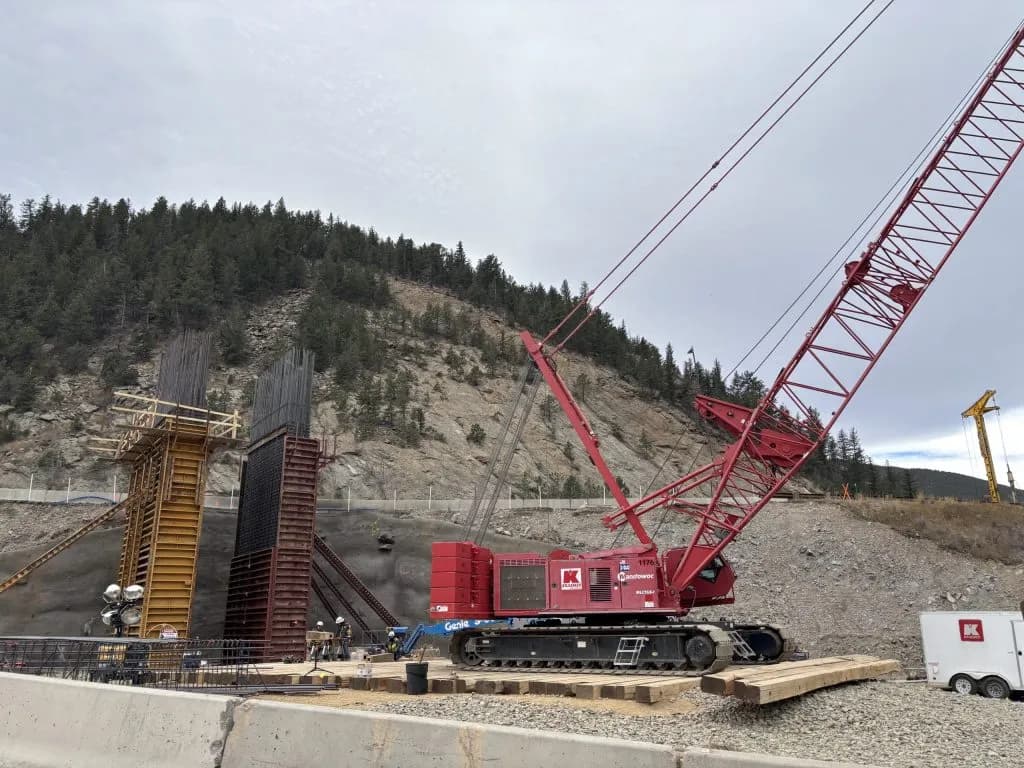
Glenwood Springs —The hum of tires on asphalt near Exit 244 usually feels like a constant, low-grade anxiety for anyone driving west out of the I-70 corridor. It’s the sound of a mountain highway that never truly sleeps, a ribbon of pavement threading through rock and pine that demands your full attention. But for five nights this month, that hum stops. The lights go out. And the road goes dark.
The Colorado Department of Transportation has announced that westbound I-70 between exits 241 and 244 will be fully closed for bridge construction. This isn’t a minor patch job. It’s part of the broader Floyd Hill project, a massive infrastructure effort spanning an eight-mile stretch between Evergreen and Idaho Springs. The goal is simple enough on paper: improve safety and travel time reliability. The cost? $900 million and a lot of patience for locals who just want to get to the airport or the valley without a detour.
The closures are scheduled for 9 p.m. to 5 a.m., nightly from Sunday, May 10, through Thursday, May 14. If the weather decides to play hardball with the crews, the schedule shifts to May 18 through May 20. The same hours. Same location. Just a different set of dates.
Here’s the part that matters to the folks in their trucks right now: the detour. When westbound traffic is pulled off I-70 at Exit 244, it gets funneled onto U.S. Highway 6. Drivers then have to navigate back onto the interstate at the Exit 241 on-ramp. The transportation department says this loop adds less than 10 minutes to the trip.
Ten minutes. That’s the number they’re selling. It sounds negligible until you’re sitting in the backseat of a pickup truck, watching the odometer tick up while your kids argue in the back, wondering why the fast lane is suddenly a slow lane. But for the bridge work to proceed efficiently, the road needs to be clear. You can’t pour concrete and set steel if semi-trucks are barreling past at 65 miles per hour.
And it’s not just the overnight closures that will test your commute. Throughout the rest of the year, expect intermittent traffic holds for rock blasting and rock scaling. These aren’t scheduled like a train. They happen on Mondays through Thursdays, roughly once an hour between 9 a.m. and 3 p.m. The work is ongoing, meaning the mountain itself is being stabilized, one blast at a time.
The question is whether the $900 million price tag justifies the current level of disruption. The department argues that the Floyd Hill project is one of the largest on the mountain corridor, and that safety improvements are critical for a stretch of road that sees heavy commercial and commuter traffic. The detour is the temporary price of admission for a safer, more reliable corridor in the long run.
To stay in the loop without refreshing a news site every five minutes, drivers can text “floydhill” to 21000 for alerts. It’s a small convenience in a situation that demands flexibility.
As the crews prepare to shut down the highway for the night, the focus is on precision. Bridge construction isn’t just about filling potholes; it’s about structural integrity in a place where gravity is always trying to pull things down. The investment is significant, and the department is betting that the current inconvenience will translate into fewer accidents and smoother commutes for the next decade.
The work will continue, weather permitting. The road will close, the detour will happen, and the traffic holds will persist. It’s the reality of building infrastructure in the Rockies. You don’t get to do it quietly, and you don’t get to do it quickly. You just do it, one overnight closure at a time.
Keep up with Glenwood Springs
The day's Western Slope news, one email each morning. Free.
Twin Lakes Releases 2,500 Acre-Feet to Save Upper Arkansas River

Glenwood Springs Resident Calls for Active Citizenship Amid AI Data Center Water Threats