Mesa County Launches Fourth Japanese Beetle Eradication Push
Mesa County and WD Yards begin their fourth year of Japanese beetle eradication on May 19, targeting grubs to protect the Grand Valley's agricultural economy despite a drop in beetle counts.
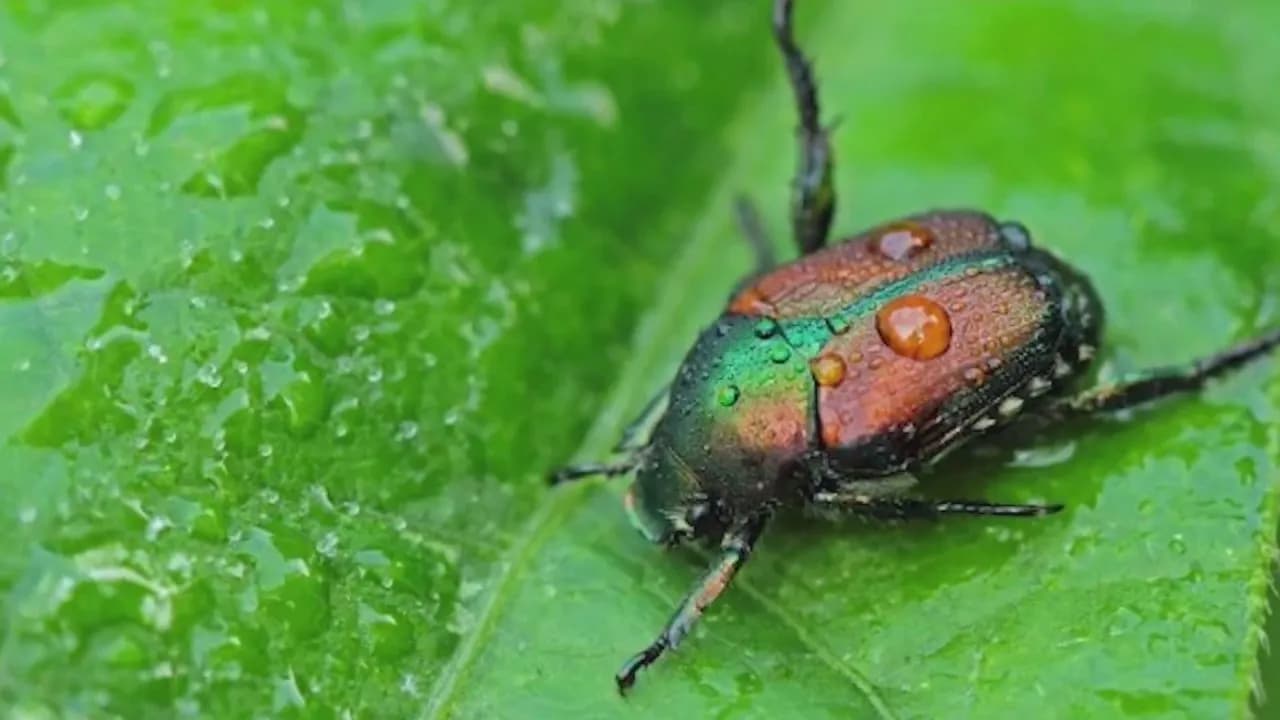
Grand Junction —The Japanese beetle population in Mesa County has dropped from 5,700 to 1,500. That sounds like a victory lap. It’s not. Not yet.
Mesa County and WD Yards are launching their fourth consecutive year of eradication efforts. Treatments begin May 19. The goal remains the same: zero beetles. The count is down, but the pests are still here. They are still flying. They are still eating.
The short version? You think you’re safe because the numbers are lower. You’re wrong. The beetles can fly outside treated zones. If you let them get a foothold in the valley, officials say we will never be able to eradicate them again. Right now, they are trapped in an isolated area. That isolation is fragile.
Ryan Surad, Mesa County’s Noxious Weed and Pest Coordinator, is watching the calendar. Treatments target grubs in the soil now, timed to hit adult beetles later in the summer. The insecticide is Cellapron. EPA-approved. Safe for humans, pets, and wildlife. But it needs time to work. It needs to sink in.
“The reason that we’re doing that at this particular timing is the insecticide that we’re using needs time to get into the soil,” Surad said.
That timing matters. It’s not just about spraying and hoping. It’s about precision. It’s about hitting the grubs before they become the adults that strip the leaves off your trees.
There is progress. Two areas have been removed from the treatment map this year. Redlands, near Independence Ranch. The Monument Little League Baseball area. Those zones are clear. For now. But the rest of the map is still active. The battle lines are drawn.
William Rahorst, operations manager for WD Yards, sees the clock ticking. He warns that the window for total eradication is closing. If the beetles spread, the cost goes up. The effort goes up. The risk goes up.
“If you let this beetle really get a foothold in the valley, we will never be able to eradicate it right now, it’s in an isolated area. For the most part, the traps around the valley come back empty,” Rahorst said.
Empty traps. That’s the good news. That’s the bad news. It means the beetles are hiding. It means they are waiting. It means the current treatment zones are the only thing standing between Palisade and a biological disaster.
The concern isn’t just about pretty flowers. It’s about money. It’s about the local economy. Palisade peaches. Grapes. Wine. These aren’t just crops. They are the backbone of the Grand Valley’s agricultural identity. The beetles eat them. They ruin them. They threaten the livelihood of farmers who have worked this land for generations.
Officials are particularly worried about organic farms. Conventional farms have more tools in their toolbox. Organic farms are more vulnerable. One bad season, one heavy infestation, and the premium label might not save the crop.
Treatments run from May 19 through August. That’s four months of active management. Four months of monitoring. Four months of waiting for the grubs to rise.
This isn’t a new problem. It’s the fourth year. The strategy hasn’t changed. The insecticide is the same. The timing is the same. The goal is the same. But the stakes feel higher. The insect count is lower, yes. But the threat is still there. It’s just quieter.
Read that again. The insect count is lower. The threat is still there.
The county isn’t declaring victory. They’re declaring vigilance. They’re treating the soil. They’re watching the traps. They’re hoping the empty traps stay empty. But they know better. They know how these things work. They know that one missed spot, one weak point in the perimeter, and the beetles will find their way back in.
It’s a war of attrition. And the enemy doesn’t sleep. It doesn’t stop. It just waits for the soil to cool, for the grubs to grow, for the adults to emerge. And when they do, they will eat.
Make no mistake. If the beetles win this year, they win for good. And we lose the valley’s agricultural soul.
Keep up with Grand Junction
The day's Western Slope news, one email each morning. Free.
Grand Junction Rotary Delivers $14,000 in School Supplies to District 51

Aspen Giving Network Distributes $887K to 34 Nonprofits