Lower Basin Water Proposal Sparks Upper Basin Skepticism
The Lower Basin's proposal for 3.2 million acre-feet of voluntary water cuts faces skepticism from Upper Basin states, who warn the plan may accelerate Lake Mead's decline and destabilize upstream deliveries.
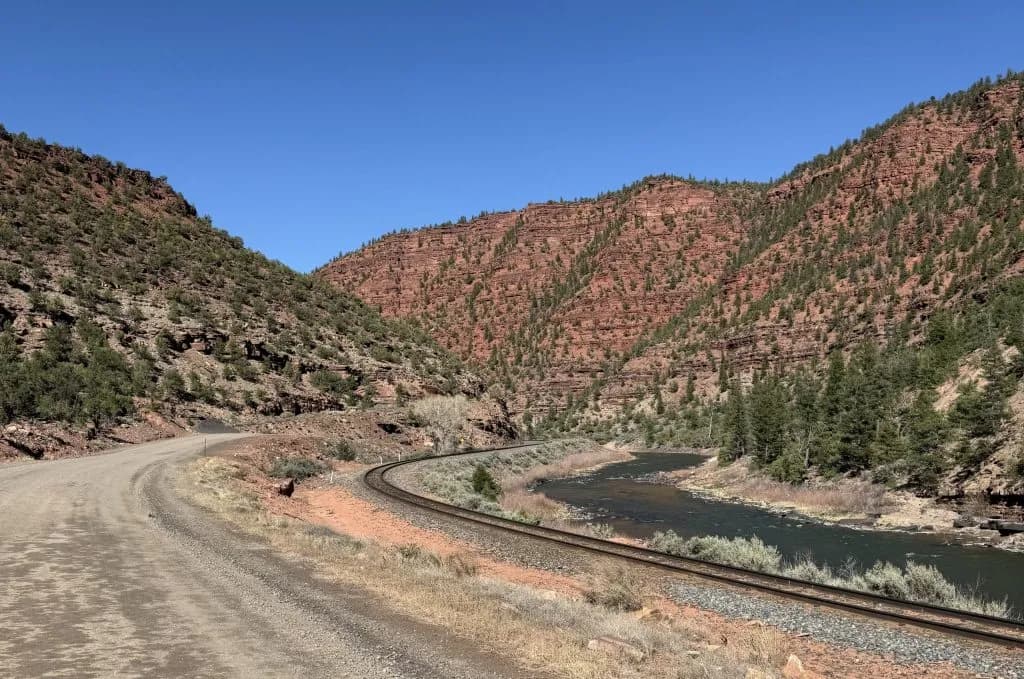
Aspen —The air in the Delta County water district office hangs heavy, not just with the dry heat of late spring, but with the weight of a math problem that refuses to balance. Outside, the Gypsum Creek runs low, a thin ribbon of brown sludge winding through the sagebrush. Inside, folks are staring at spreadsheets that show the same grim trend line: less water, more mouths, and a reservoir system that is shrinking faster than anyone expected.
That’s the reality hitting neighbors here on the Western Slope as the three Lower Basin states — California, Arizona, and Nevada — pitched a short-term survival plan to the federal government. It’s an “ambitious and far-reaching” proposal, according to a May 1 letter to Andrea Travnice, the U.S. Bureau of Reclamation’s assistant secretary of water and science. But let’s be clear: it’s a bandage on a bullet wound.
The plan calls for 3.2 million acre-feet of voluntary water use cuts across the three states through 2028. That sounds like a lot until you realize it’s contingent on a dozen other moving parts, including how Lake Powell releases water and whether the upper initial units can keep up. John Entsminger, general manager of the Southern Nevada Water Authority, called it a way to pair “real measurable water contributions with sensible dry-condition operations.” He’s right. But he’s also asking every water user in the Basin to “double down on water conservation as we face historically dry hydrology.”
Here’s the thing though: the Upper Basin isn’t exactly cheering. Chuck Cullom, executive director of the Upper Colorado River Commission, which represents Colorado, Wyoming, Utah, and New Mexico, wrote in a statement that while the Lower Basin’s move is a “necessary step,” it’s got blind spots. Cullom noted that the Upper Division States have long supported flexibility in Lake Mead operations, but only if it doesn’t destabilize litigation. The Lower Basin’s proposal, he warned, might “accelerate the decline in Lake Mead and cause adverse impacts upstream.”
Translation: If we let the water level drop too fast in the big reservoirs to save the lower states, we might break the system for everyone else.
The current operational guidelines for Lake Powell and Lake Mead were set in 2007. They expire this year. That means the next few months are critical. The new rules will dictate how the Bureau of Reclamation manages water storage, delivers surplus water, and makes cuts when the tanks run low. The Lower Basin states are calling their plan a “near-term bridge through 2028 while long-term operating guidelines are finalized.” It’s a bridge, not a highway. And bridges get you across, but they don’t tell you where the other side leads.
Negotiations have stalled for years. The Upper and Lower Basins can’t agree on how to split the pain. The Lower Basin wants immediate cuts to keep their lights on. The Upper Basin wants certainty that those cuts won’t trigger a cascade of lawsuits that freeze all water deliveries. It’s a classic standoff: one side is drowning in debt, the other is afraid the floor will collapse.
For locals in the valley, this isn’t just federal jargon. It’s about whether the irrigation ditches stay full in July. It’s about whether the municipal water providers can raise rates without triggering a revolt. It’s about the quiet anxiety of watching the snowpack melt and knowing the snowmelt doesn’t always make it to the river.
The proposal is contingent on infrastructure improvements and the use of “intentionally created surplus”, a fancy term for saving water now so you can spend it later. But that requires trust. And right now, trust is in short supply. The Upper Basin states are watching closely, waiting to see if the Lower Basin’s “voluntary” cuts actually stick or if they’re just political theater to buy time until the next drought hits.
Picture the Colorado River at sunset, the water reflecting the orange sky, looking deceptively calm. It’s been flowing for millennia, but it’s running on fumes. The 3.2 million acre-feet of cuts is a start, but it’s a start that assumes everyone plays nice. If the long-term guidelines don’t arrive in time, or if the “sensible operations” turn out to be anything but sensible, that bridge might just collapse under the weight of its own ambition.
The water doesn’t care about your political party. It doesn’t care if you’re from Delta or Las Vegas. It just flows, or it doesn’t. And right now, it’s flowing slower than it has in a hundred years.
Keep up with Aspen
The day's Western Slope news, one email each morning. Free.