Vail, Frisco, and Crested Butte Push USPS to Convert Post Offices into Workforce Housing
Senators Bennet and Hickenlooper propose converting oversized post office buildings in Vail, Frisco, and Crested Butte into workforce housing to solve postal worker retention and service issues.
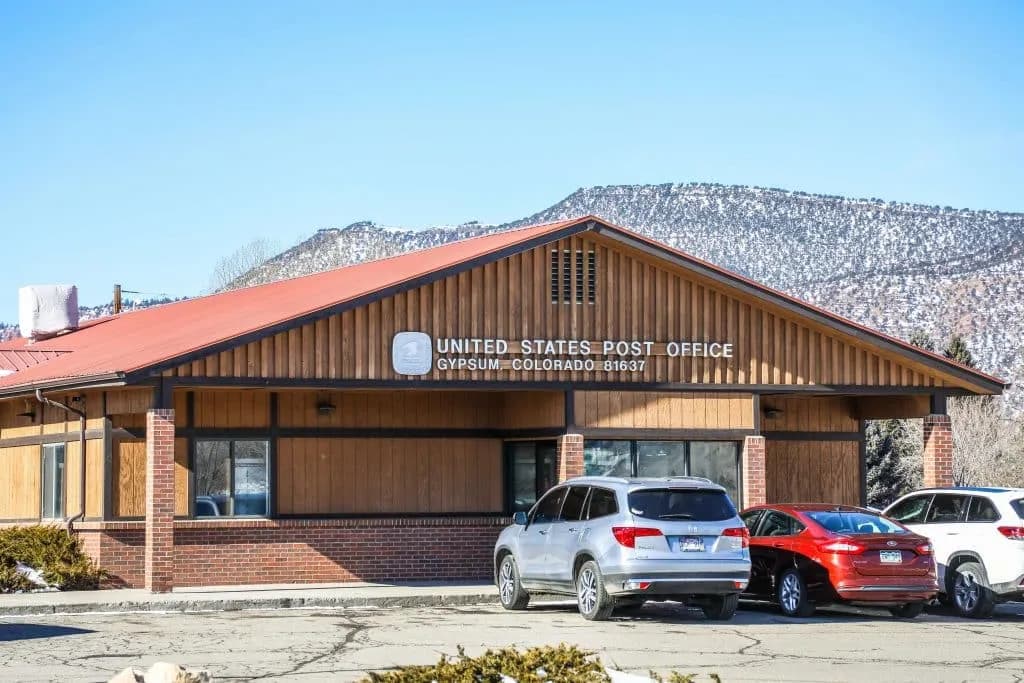
Glenwood Springs —The wind off the Gore Range doesn’t just bite; it finds the gaps in your jacket. It’s a specific, sharp cold that settles into the bones of anyone who has waited twenty minutes in line at the Vail post office, watching the clock tick past the last pickup time. You’re standing on cracked pavement, holding a box of medications that arrived three days late, wondering if the postal worker who sorted it was paid enough to care.
That’s the reality for thousands of residents across the Western Slope’s high-country towns. And now, the folks in Washington are finally looking at the map.
U.S. Senators Michael Bennet and John Hickenlooper, along with Representatives Joe Neguse and Jeff Hurd, sent a letter on Thursday, May 7, to Postmaster General David Steiner and Board of Governors Chair Amber McReynolds. Their pitch is simple: let’s take the old, oversized post office buildings in places like Vail, Frisco, Dillon, and Crested Butte, and turn them into something that actually helps people live here. Workforce housing. Specifically, housing for the postal workers who are currently struggling to stay in town.
The letter outlines a partnership born from frustration. After what the lawmakers called a “productive” meeting in January, the group is proposing a redevelopment strategy to fix facilities that are failing the very communities they serve. The current situation is a mess of inefficiencies. The agency doesn’t offer home delivery in most Colorado mountain communities. Residents get their mail in P.O. boxes and haul their packages to facilities that are often decades old.
It’s not just an inconvenience; it’s a crisis of access. About three years ago, the issues became so acute that officials in Steamboat Springs and Summit County publicly considered taking legal action against the federal mail carrier. Residents reported that letters and packages would show up weeks or even months late. Important bills went missing. Medications didn’t arrive when they were supposed to.
An audit in 2023 confirmed what locals have been feeling for years: on-time performance in these mountain towns is significantly lower than the rest of the state and nation, especially for package deliveries. The audit identified the root cause clearly: hiring and retention. Wages at the post office aren’t keeping up with the high cost of living on the Western Slope. You can’t expect someone to stay in Vail if they’re spending half their paycheck on rent and the carrier isn’t paying enough to cover it.
The lawmakers’ letter argues that the localities are ready to step up. “Colorado’s mountain communities have shared their solutions to improve service, reduce USPS costs and address critical community needs,” the letter states. “They are ready to help identify suitable parcels and buildings for USPS facilities, provide accurate timelines and cost estimates for facility improvements and collaborate on resolving the staffing shortages common in these areas.”
Take Vail, for example. The local post office was built as a regional distribution center. Now, it only serves as a retail and local pickup site. The building and the lot it sits on are oversized for the current service level. The town is interested in partnering to redevelop that site to include workforce housing, including units for its own employees. It’s a pragmatic loop: fix the housing, fix the staffing, fix the mail.
In Frisco, the proposal is even more structural. The town wants to replace the existing one-story building with a multi-story structure. While the source material cuts off before detailing the full scope, the intent is clear: vertical density to solve horizontal sprawl issues. The goal is to create a mix of uses that serves the community’s daily needs while addressing the housing crunch that has driven teachers, nurses, and yes, postal workers, out of the valley.
This isn’t just about better mail service. It’s about acknowledging that the current model is broken. The facilities are outdated, the service is unreliable, and the people who keep the system running can’t afford to live in the towns they serve. By repurposing these underutilized federal assets, lawmakers are betting that the solution to the postal crisis is tied directly to the housing crisis.
Picture a future where the post office in Frisco isn’t just a box of slots on a hill, but a multi-story hub where the mail clerk goes home to an apartment upstairs. It’s a tangible fix for a problem that has felt abstract and distant for too long. The letter is out. The meeting happened. Now comes the hard part: getting the federal mail system to agree that giving up some of their real estate for housing is worth the investment in reliability.
The wind still blows through the valley. But if this redevelopment plan takes hold, the people waiting in line might just have a place to go when they finally get their mail.
Keep up with Glenwood Springs
The day's Western Slope news, one email each morning. Free.
Twin Lakes Releases 2,500 Acre-Feet to Save Upper Arkansas River
Glenwood Springs Resident Calls for Active Citizenship Amid AI Data Center Water Threats