Roaring Fork School District Pushes $4.5M Mill Levy Override
Superintendent Anna Cole pitches a $4.5 million mill levy override to close the achievement gap, but Board Director Jasmin Ramirez questions the efficacy of the previous $7.7 million measure.
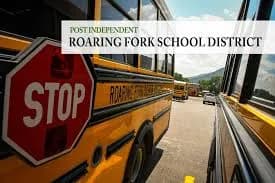
Glenwood Springs —“‘We have a limited window to move a mill levy override forward, so we have a strong sense of urgency.’”
That’s Superintendent Anna Cole’s pitch for the next Roaring Fork School District mill levy override. She’s selling it as a lifeline. The district claims it’s essential for closing the achievement opportunity gap. It’s supposed to help emerging bilingual students, kids of color, those living in poverty, and students with disabilities.
The board heard her out. They spent ninety minutes dissecting the numbers. They looked at community feedback. They compared this proposal to the 2021 override that passed with nearly 70% of the vote.
It raises a simple question: Why do we need another one when the last one didn’t quite deliver what was promised?
Board Director Jasmin Ramirez didn’t mince words. She’s been here since the 2021 vote. She knows the score. She thinks the community cares about its kids. She believes the override will pass. But she’s skeptical about the data.
“I don’t feel confident that the board has been provided enough information about the success of the 2021 MLO,” Ramirez said.
Her concern is specific. She worries the board is asking voters to approve essentially the same thing again. The 2021 override raised up to $7.7 million annually. It was supposed to fix systemic inequities. Five years later, Ramirez says we still don’t fully know if it actually produced the results the district hoped for.
If this new measure passes, it’s a smaller ask. The district’s website lists the cost at about $4.5 million annually. That’s a steep drop from the previous haul. It would cost homeowners roughly $16 per $100,000 of home value. Commercial property owners would foot the bill at $56 per $100,000.
$4.5 million sounds like a lot. It’s not. Not when you’re running a district this size with a dwindling budget. It won’t solve all the district’s problems. It’s a supplement, not a replacement. That’s the key phrase Cole keeps using. “Supplement, not supplant.”
Translation: This money is extra. It’s not fixing the base budget. It’s an add-on for specific strategic priorities.
The deadline for ballot language is approaching. The clock is ticking. Administrators are digging into the data. They’re looking at what worked in 2021 and what didn’t. They’re trying to figure out how to sell a smaller tax hike to voters who might be feeling tax fatigue.
Ramirez wants assurance that the 2021 money actually did something tangible. She wants proof. The administration is still crunching the numbers. Until they can show clear, undeniable success from the last override, the board is walking a tightrope.
The community voted yes in 2021. But voters change. Prices go up. Expectations shift. Asking for $4.5 million five years after asking for $7.7 million requires a different story. It requires proving that the previous investment wasn’t just a cash grab that disappeared into general funds.
Cole says the strategies used to help the most vulnerable students are “great for teaching all kids.” That’s a broad claim. It’s a nice soundbite. It’s harder to prove in a ballot measure.
The board supports the override. They see the need. But support isn’t certainty. The data on the previous override’s efficacy is the missing piece. If Ramirez is right, and the board doesn’t have the full picture, voters might see right through the urgency.
They’ll see the same request. Just smaller. And they’ll wonder why the first one didn’t work.
Keep up with Glenwood Springs
The day's Western Slope news, one email each morning. Free.



Glenwood Clinic Parking Lots Fill for Unproven Peptide Injections
On the ridge above Glenwood Springs, the wind usually whips off the peaks before it reaches the parking lots