Len Necefer to Keynote Colorado Mountain College Sustainability Conference
Environmental storyteller Len Necefer headlines Colorado Mountain College’s free virtual Sustainability & Ecosystem Science Conference, highlighting student research on climate resilience and the San Juan River sediment crisis.
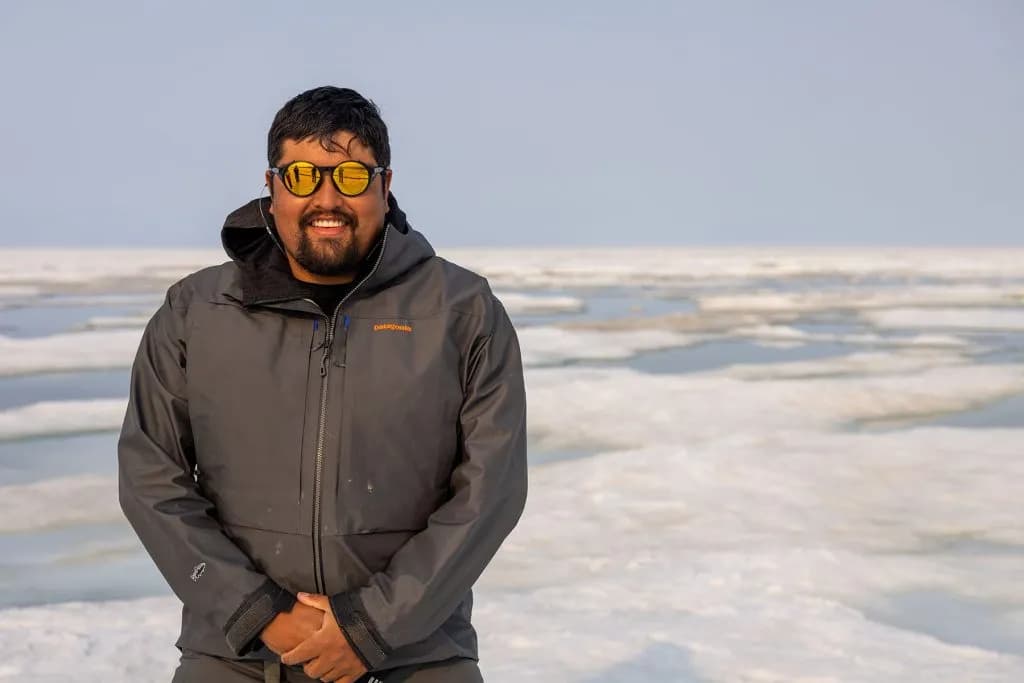
Aspen —“Restoration and resilience,” Len Necefer says, isn’t just a buzzword.
The environmental storyteller, filmmaker, and engineer is bringing that perspective to the Western Slope this spring. As the keynote speaker for Colorado Mountain College’s annual Sustainability & Ecosystem Science Conference, Necefer will dissect the mechanics of climate solutions — specifically, what happens when a reservoir disappears and a river begins to reclaim itself.
It’s a specific, tangible image for folks who live near the water. The lower San Juan River sediment crisis is the focus of part of his presentation. But the event itself, hosted virtually from 9 a.m. to noon on Friday, April 24, is about something broader. It’s about the students.
Colorado Mountain College is using this free, virtual conference to highlight student research in sustainability and ecosystem science. The college’s press release notes that these projects have “direct impacts on the health, resilience and future of Colorado’s mountain communities.”
That’s the local angle. It’s not just academic theory. It’s about the water quality in the basins your neighbors drink from, the stability of the slopes near your homes, and the economic viability of the industries that rely on those resources.
Necefer, founder of NativesOutdoors, an Indigenous-led media company, is the hook. But the substance is in the student work. The conference isn’t a lecture hall performance; it’s a showcase of applied science.
“The student projects have direct impacts on the health, resilience and future of Colorado’s mountain communities,” the college notes.
This is the question locals are asking: Why virtual? Why now?
The answer is accessibility. By holding the main event online, CMC is removing the barrier of travel for students, faculty, and community members across the valley. You can listen to Necefer talk about the Colorado River Basin from your kitchen table in Glenwood Springs, or from a desk in Aspen.
But the college isn’t stopping at a Zoom call. The virtual event is followed by live community events at local CMC campuses that afternoon. If you’re in Breckenridge, there’s a special Earth Day Fair on April 22 — two days before the main conference. It’s free with registration.
The logistics are simple. The schedule is available at coloradomtn.edu/sustainability-conference/. For those who want to dig deeper, Valerie LeMaster is the contact point. You can reach her at 970-947-8432 or [email protected].
Necefer’s background fits the moment. He’s an engineer who tells stories. He’s a filmmaker who documents the land. His talk, “Restoration and Resilience in Climate Solutions,” bridges the gap between hard data and human experience.
The sediment crisis in the lower San Juan River is a perfect example. It’s a physical problem with economic and ecological consequences. When a reservoir disappears, the river doesn’t just sit there. It moves. It changes. It reclaims.
That’s the kind of dynamic, changing landscape that defines the Western Slope. And that’s what the students are studying.
The conference is free. The registration is open. The opportunity to hear from someone who understands both the science and the story is available to anyone with an internet connection.
As the event approaches, the focus remains on the students. They are the ones doing the work. They are the ones analyzing the data. They are the ones who will inherit the resilience Necefer is talking about.
“Restoration and resilience in climate solutions,” Necefer will say. It’s a promise, not just a plan. And for the folks in the valley, it’s a conversation worth having.
Keep up with Aspen
The day's Western Slope news, one email each morning. Free.