Len Necefer to Keynote CMC Sustainability Conference
Environmental storyteller Len Necefer headlines Colorado Mountain College's free virtual Sustainability & Ecosystem Science Conference on April 24, focusing on student-led climate resilience and water quality.
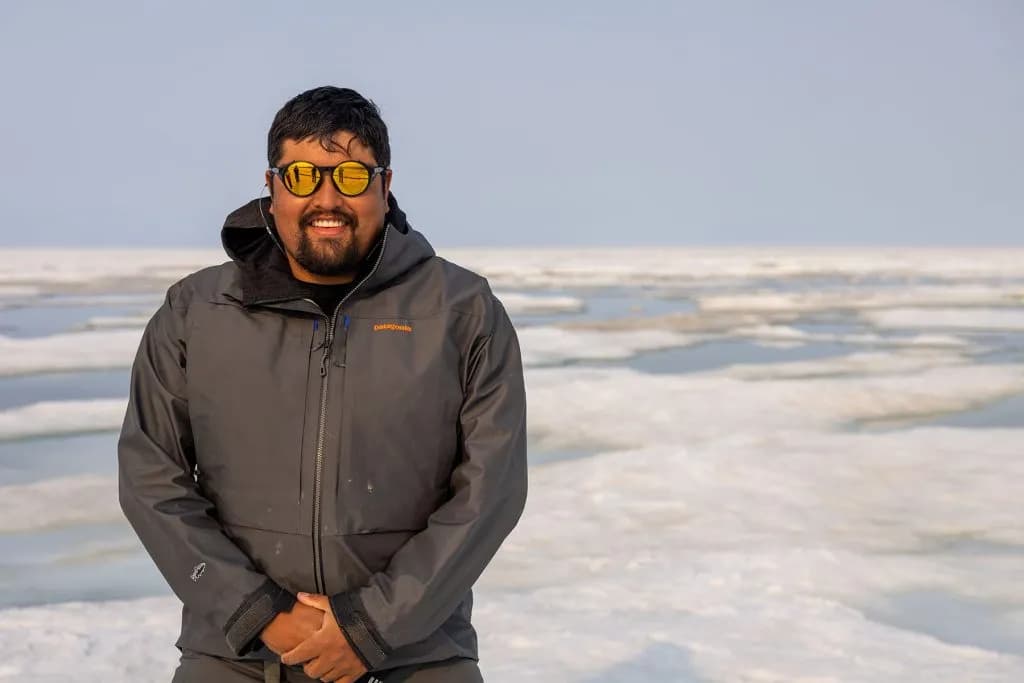
Aspen —Len Necefer knows what it looks like when a reservoir disappears. He’s watched it happen in the lower San Juan River, where water levels drop so low the sediment settles in, and the river begins to reclaim itself. It’s a specific, visceral kind of change — one that doesn’t just affect the water, but the entire ecosystem sitting on top of it.
Now, he’s bringing that perspective to the Western Slope.
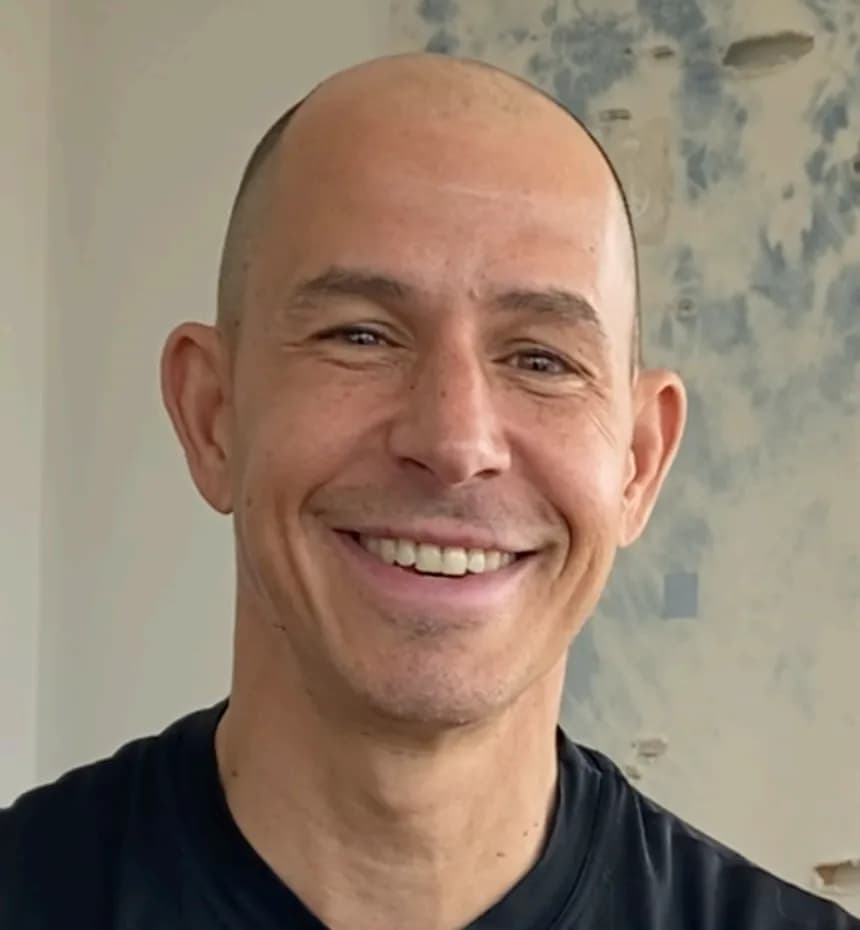
Necefer, an environmental storyteller, filmmaker, and engineer, is the keynote speaker for Colorado Mountain College’s annual Sustainability & Ecosystem Science Conference. The event goes virtual on Friday, April 24, running from 9 a.m. to noon. It’s free, it’s open to the public, and it’s focused on something locals have been worrying about for decades: how our mountain communities stay healthy when the climate shifts.
The question is whether student research can actually solve the problems we’re seeing on the ground.
According to CMC, the answer is yes. The conference highlights work from students in the college’s sustainability and ecosystem science programs. These aren’t just theoretical papers filed away in a library. The projects have direct impacts on the health, resilience, and future of Colorado’s mountain communities. They’re looking at real issues — water quality, land use, biodiversity, and trying to find practical ways to address them.
Necefer’s talk, titled “Restoration and Resilience in Climate Solutions,” will tie those local efforts to a broader narrative. As the founder of NativesOutdoors, an Indigenous-led media company, he brings a unique lens to the conversation. He’ll talk about his experiences in the Colorado River Basin and the sediment crisis in the lower San Juan River. He’ll explain what happens when a reservoir disappears and the river starts to reclaim itself. It’s a story about loss, but also about recovery. About how nature bounces back when you give it the space.
The conference is part of a larger push by CMC to engage the community. It’s not just about listening to experts in a Zoom window. It’s about connecting that research to the people who live here.
That connection happens through a series of live community events at local CMC campuses later that afternoon. If you’re in Breckenridge, you don’t even have to wait for the virtual keynote to end. There’s an Earth Day Fair at the Breckenridge campus on April 22, two days before the main event. It’s a chance to see the student projects in person, talk to the students, and get a feel for what’s coming next.
The event is free with registration. You can find the full schedule and details at coloradomtn.edu/sustainability-conference/. If you need more info, Valerie LeMaster is the contact point; she’s reachable at 970-947-8432 or [email protected].
It’s a lot of information to process, but the core message is simple. The challenges facing our water, our land, and our towns are urgent. But so is the research being done to address them. CMC is betting that student-led innovation, combined with the kind of storytelling Necefer provides, can offer a hopeful pathway forward.
The outcome depends on how quickly those student insights translate into policy and practice. But for now, the focus is on learning. On understanding the sediment in the San Juan, the resilience of the river, and the role that education plays in keeping our mountains livable.
As Necefer puts it, the goal isn’t just to observe the changes. It’s to understand how restoration works. How resilience is built. And how we, as a community, fit into that equation.
Keep up with Aspen
The day's Western Slope news, one email each morning. Free.