Fort Lewis Professor Speaks Out Against ICE Agents Wearing Masks
A Fort Lewis College professor is advocating for ICE agents to stop wearing masks while detaining people, citing concerns over accountability and transparency in democracy.
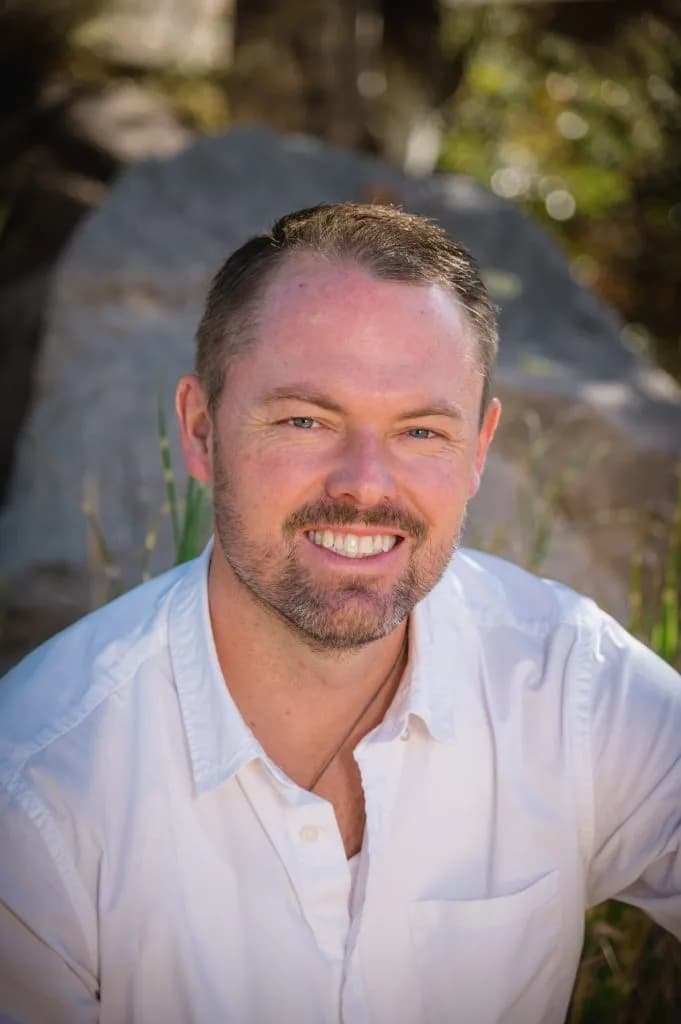
Steamboat Springs —As a professor at Fort Lewis College, Andrew Gulliford is no stranger to the importance of transparency and trust in his community. Recently, he's been speaking out about the practice of ICE agents wearing masks while detaining people, and how it threatens the very foundation of democracy on the Western Slope. "Democracy lives and dies on the hill of transparency," Gulliford says. "I think we all realize that any public entity that attempts to operate anonymously undermines the community's trust."
The issue of ICE agents wearing masks has been a contentious one, with the Department of Homeland Security claiming that it's necessary to protect agents from potential risks. However, as Gulliford points out, the data doesn't quite add up. Between 1915 and 2025, only 76 immigration enforcement agents died on the job, with the last officer to die from a gunshot wound being a case of accidental discharge. In fact, according to the Cato Institute, ICE agents are more likely to die from COVID-19 or cancer than from a violent attack at work.
So, why the masks? Gulliford believes it's a matter of accountability. "Masks make it more difficult to hold individuals accountable for their actions, which increases the likelihood of misconduct," he says. This is particularly concerning in the case of law enforcement officers, as they alone are entrusted with the use of deadly force. When officers can be clearly identified, it's easier to hold them accountable for their actions, and this is crucial for building trust with the community.
The city of Denver has already taken steps to prohibit ICE agents from wearing masks while detaining people, and Gulliford believes that the rest of Colorado, including local communities, should follow suit. As he puts it, "Our system of governance relies on checks and balances that melt away when public servants hide their identities." This is especially important in regions like ours, where community relationships and trust are essential.
It's worth noting that other professions, such as teaching, don't allow for anonymity. Teachers, like Gulliford, build relationships with their students and colleagues, and it's hard to imagine a scenario where they would be allowed to wear masks in the classroom. "Can you imagine it any other way?" Gulliford asks. "Envision, for example, a college professor lecturing on chemical reactions or best business practices in a ski mask with a loaded 9mm strapped to their hip." It's a stark contrast to the way ICE agents are currently operating, and one that highlights the need for transparency and accountability.
As the community considers this issue, the kind of relationships we want to build with law enforcement will be crucial. Do we want to create an environment where trust is fostered, or one where anonymity and mistrust prevail? Gulliford's words are a stark reminder of the importance of transparency in our democracy. "I think we all realize that any public entity that attempts to operate anonymously undermines the community's trust," he says. The question is whether our community will demand more accountability from ICE agents. As Gulliford puts it, "Democracy lives and dies on the hill of transparency."
Keep up with Steamboat Springs
The day's Western Slope news, one email each morning. Free.