Fraser River Drought Cripples Rafting Outfitters and Winter Park Skiing
Low water levels and early snowmelt leave the Fraser River nearly dry, threatening the livelihood of rafting outfitters like Downstream Adventures and hurting Winter Park Resort's winter quality.
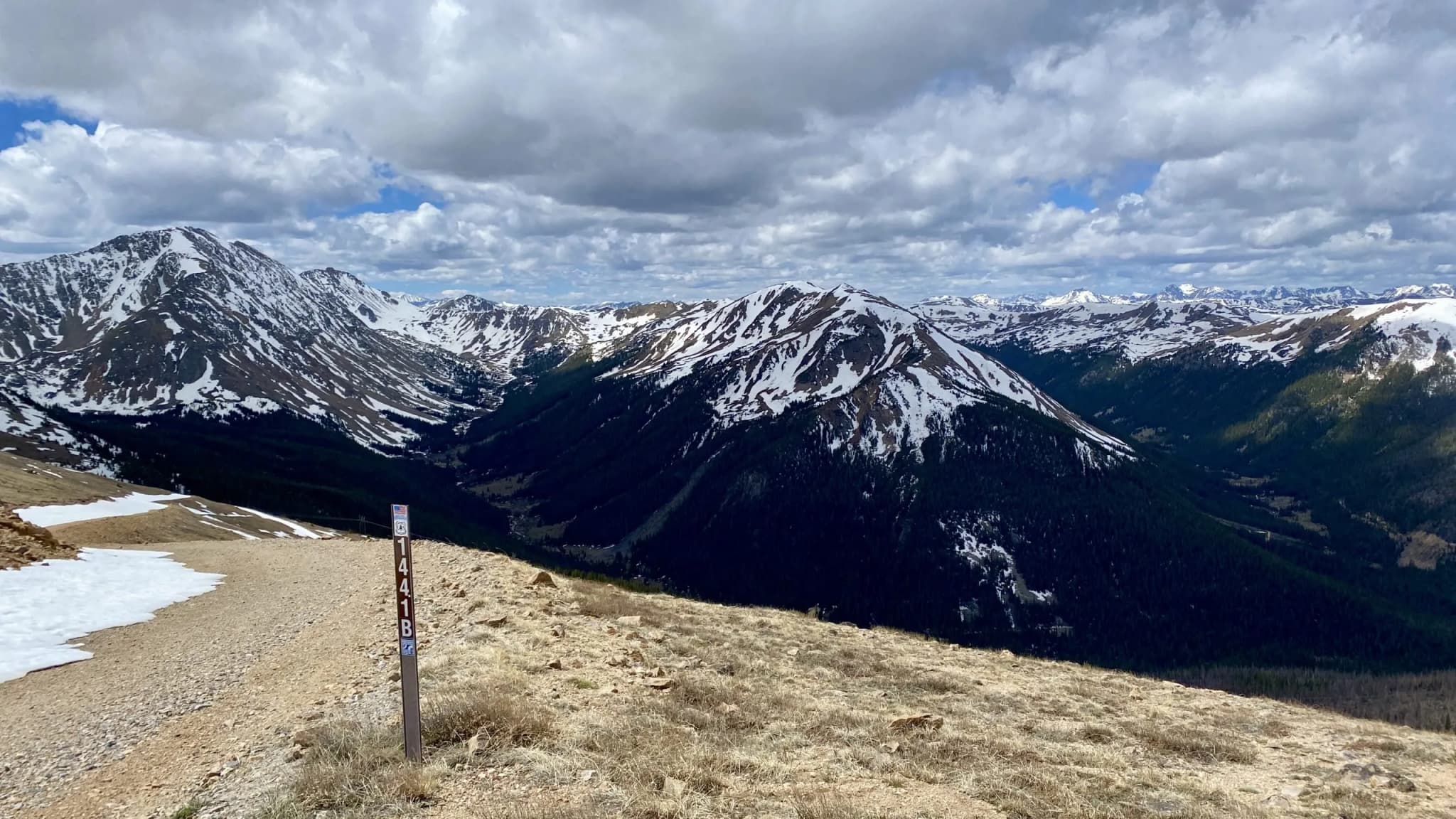
Colorado —What happens to the rafting guides when the river that feeds their livelihood turns into a trickle?
That’s the question hanging over the Fraser River this June, where the water level sits at a mere 36 cubic feet per second. It should be 500. It should be peaking at over 800. Instead, it’s barely enough to float a canoe, let alone a commercial raft full of tourists.
Ryan Snodgrass stands on the bank, looking at the shallow, sluggish water. He’s the co-founder of Downstream Adventures Rafting, and he’s watching his financial security evaporate. “We are literally going to scrape through — metaphorically, also — until next year,” Snodgrass says. He isn’t being dramatic. He’s stating a fact that keeps him up at night.
The Fraser River, that popular recreational stretch flowing from Tabernash to Granby, is essentially dry. “Nobody’s going to boat that this year,” Snodgrass notes, gesturing to the wide, sandy bed where water usually rushes. It’s a stark contrast to the winter before, which started with promise but ended with a whimper.
Picture the timeline. Colorado was drought-free just months ago. Then came the sparse snowfall. Then came the notorious March heat wave, which stole what little snowpack had accumulated. The snow didn’t just melt; it vanished. Early melt meant early runoff, and now, in June, the rivers are left holding the bag.
This isn’t just a local issue. It’s a statewide crisis. By late May, nearly all of Colorado, 94% of it; was experiencing some level of drought. About 10% was locked in the worst category identified by the U.S. Drought Monitor. What happens in these mountains impacts millions of people downstream, and it impacts the economy right here in the valley.
The economic ripple effects are already visible. Winter Park Resort, a primary economic driver for the community, saw its winter quality suffer. Doug Laraby, the planning director, told a group of officials and media members touring the area that skiing is “really good” when snow depth hits 50 inches. In early February, the resort sat at about 30 inches. Some trails, those without artificial snow machines, had just 15 inches.
Warm temperatures made it harder to make their own snow as winter progressed. Trails that would normally stay open until April closed early. The resort is adapting, but the margin for error is gone.
And that matters because the rafting industry relies on the same water that feeds the ski resorts. When the snowpack is low, the rivers are low. When the streams run dry, the outfitters don’t get customers. And when the outfitters don’t get customers, the local economy takes a hit.
The numbers are staggering. Between 1980 and 2019, the U.S. experienced about 26 drought events that caused at least $1 billion in damage each. In total, those droughts cost the nation at least $249 billion. That’s an average of more than $9.6 billion per event. Only hurricanes were more costly.
Locals are already tracking the impact on quality of life. It’s not just about water for the crops. It’s about the culture of the town. It’s about whether the rafting guides can pay their mortgages. It’s about whether the ski resort can keep the lights on.
Snodgrass is optimistic, but he’s also realistic. He knows the river might recover, but he also knows it might not. “We are literally going to scrape through,” he says. It’s a fragile existence, one that depends on the weather, the snowpack, and the luck of the draw.
The Fraser River flows on, but slowly. The water is clear, the rocks are visible, and the silence is deafening. It’s a reminder that in the mountains, water is life. And right now, life is waiting for the rain.
Keep up with Colorado
The day's Western Slope news, one email each morning. Free.
Steamboat Recommends E-Motorcycle Education to Clarify Rules
BLM Clears 113 Roan Plateau Parcels for December 2026 Oil and Gas Lease Sale
Southern Colorado Releases 2,500 Acre-Feet to Save Drying Arkansas River
Federal Report Sets 200,000 Acre-Foot Water Conservation Target for Upper Basin
Colorado Parks and Wildlife Deploys Precision Drones for Weed Control