Federal Report Sets 200,000 Acre-Foot Water Conservation Target for Upper Basin
A new federal report mandates a 200,000 acre-foot conservation target for Colorado, New Mexico, Wyoming, and Utah, establishing a decade-long framework for managing Lake Powell and Lake Mead reserves.
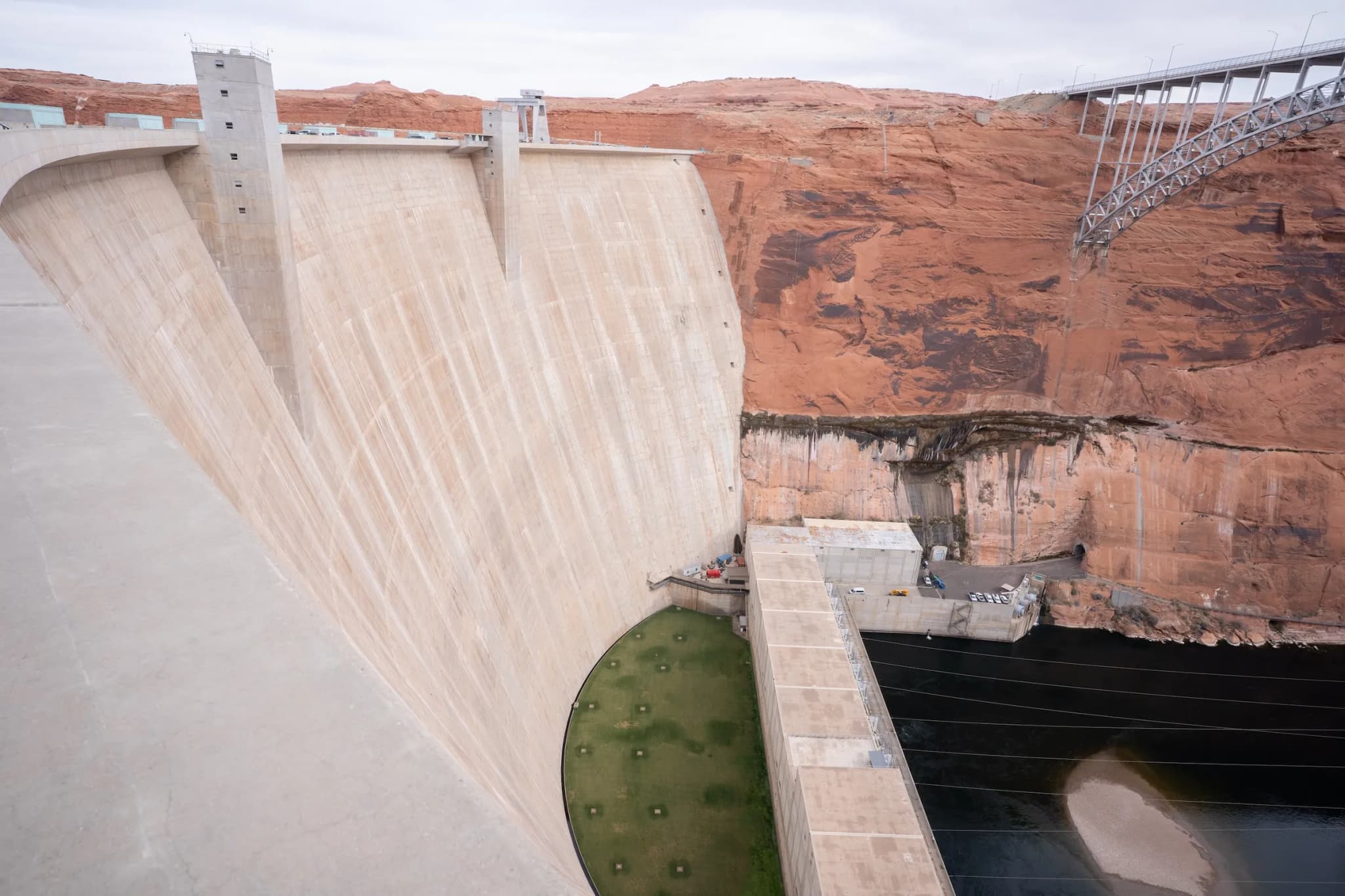
Colorado —The dust hangs low over the Grand Junction valley in late July, the kind of heat that makes the asphalt on US-6 shimmer and turns the air itself into a heavy, wet blanket. It’s the same heat that bakes the orchards and stresses the irrigation ditches that feed the local economy. But the real story isn’t in the sweat on your brow; it’s in the federal paperwork landing on desks in Washington and Denver this week.
A $14 million project. Twelve units. Just kidding. That was the housing headline. The real headline is a target: up to 200,000 acre-feet of water savings. That’s 65 billion gallons. That is the new, firm conservation goal for the four Upper Basin states — Colorado, New Mexico, Wyoming, and Utah — under a federal report released Friday.
The Colorado Sun reported the details, noting that water officials now know exactly what size hole they’re digging into their reserves. The report is a final environmental impact statement, a document so thick and jargon-laden it will take experts weeks to fully parse. But the bottom line is clear. The federal government is laying out guardrails for how Lake Powell and Lake Mead will be managed for the next decade.
Let’s do the math on what that means for the river system. The report outlines severe cuts for the Lower Basin states, Arizona, California, and Nevada - who could be forced to cut their use by as much as 3 million acre-feet. But for us in the Upper Basin, the immediate pressure is a specific number: 200,000 acre-feet. It’s not a suggestion. It’s a target.
The timeline is tighter than most folks realize. This isn’t a 50-year plan. It’s a 10-year framework. And within that decade, the states and tribes won’t just set it and forget it. They have to negotiate specific plans for cuts and conservation every two years. So, while we’re looking at a decade-long horizon, the actual policy is being rewritten in two-year increments. It’s a living document, and it’s going to be messy.
Secretary of the Interior Doug Burgum said in a news release that this framework provides "flexibility to respond to changing hydrologic conditions." That’s bureaucratic code for "we’re guessing how much water is left and hoping we don’t run out." Burgum noted the Department has a responsibility to keep the system "reliable and resilient." Reliable for whom? The report mentions millions of Americans, communities, and industries. It doesn’t specify which ones, but it implies that if you live in the basin, you’re part of the equation whether you like it or not.
The Upper Basin states still have to wait on other federal reports to define what conservation looks like in 2027 and 2028. Colorado officials didn’t respond to questions Friday, citing an ongoing review. That silence is telling. They’re still figuring out how to translate a federal mandate into local reality. How does a rancher in Montrose know if he’s losing an acre-foot this year or next? The report doesn’t say. It only sets the stage.
The report analyzed releases from Lake Powell between 5 million and 12 million acre-feet. One acre-foot is roughly the water used by two to four households each year. So, when they talk about 200,000 acre-feet, they’re talking about the annual water supply of roughly 400,000 to 800,000 households. That’s a significant chunk of the pie being sliced off before it even reaches the tap.
The negotiations that led to this document were plagued by political rhetoric and gridlock. Three years of talking. Hundreds of pages of analysis. And now, we’re left with a target that feels less like a plan and more like a warning label. The Lower Basin takes the bigger hit in the short term, but the Upper Basin is locked into a decade of compliance.
For locals, this means the water you use to keep your lawn green or your orchard productive is no longer just a local resource. It’s a federal line item. The 200,000 acre-feet target is the new normal. It’s not a crisis anymore; it’s the baseline. And until the next report drops, we’re just waiting to see if the federal government’s "flexibility" actually means anything, or if it’s just another way of saying "pay up."
Keep up with Colorado
The day's Western Slope news, one email each morning. Free.

Colorado Parks and Wildlife Deploys Precision Drones for Weed Control

Hickenlooper Advances Bill to Force Hospital Price Transparency