Cargill Locks Out 1,700 Fort Morgan Workers Amid Contract Standoff
Cargill locked out more than 1,700 employees at its Fort Morgan plant for nearly seven weeks, redirecting cattle to out-of-state facilities while negotiating contract terms with Teamsters Local 455.
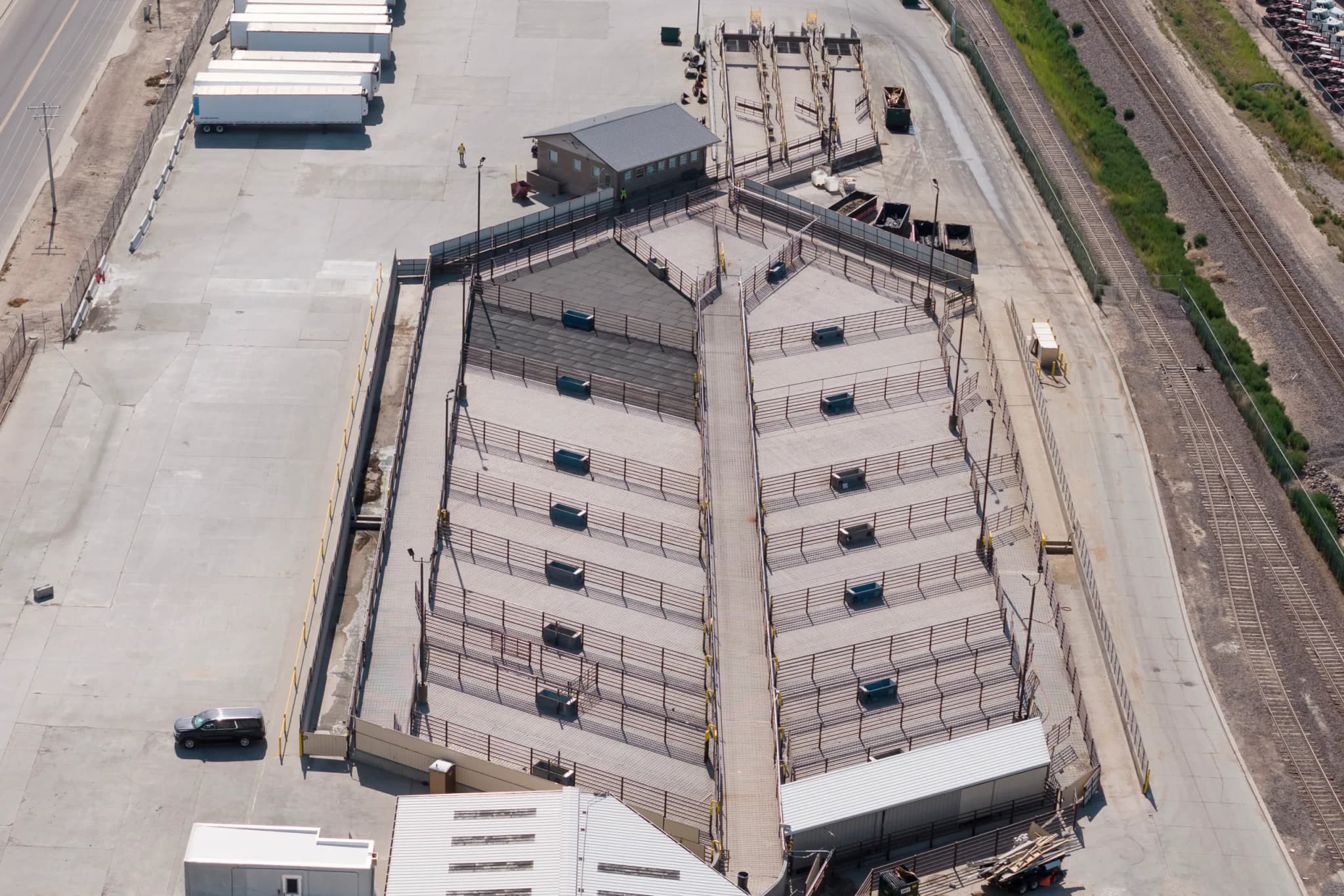
Colorado —“The lockout was not the outcome Cargill wanted,” Hli Yang, the company’s spokesperson, wrote in an email, offering a measured defense for a decision that left more than 1,700 employees without a paycheck for nearly seven weeks. “We remain committed to reaching an agreement that supports employees and protects the long-term future of the Fort Morgan facility.”
But for the workers of Teamsters Local 455, who showed up to the Cargill Meat Solutions plant on May 20 only to find the gates shut, the rhetoric of commitment felt distant against the silence of the processing floor. The plant, a massive industrial engine that once hummed with the rhythm of 4,800 head of cattle a day, had been running at reduced capacity since late April. Now, as negotiations resumed on Tuesday, the question hanging over Morgan County wasn’t just about who would get what percentage of the profits, but how the local economy would survive the gap while the cattle were rerouted.
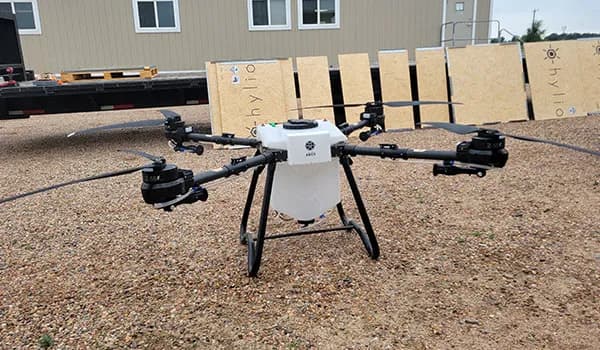
The idle trailers sitting in the drone-captured views of the facility on July 22 told a story of suspended animation. The air in Fort Morgan still carried the faint, metallic tang of the packing house, but the usual roar of machinery was absent. Cargill had locked out its workforce, arguing that the union could call an immediate work stoppage during contract negotiations. It was a preemptive strike in a battle over efficiency and yield. With the U.S. cattle supply at its lowest in years, the company was desperate to squeeze every ounce of value from every carcass.
Dean Modecker, secretary-treasurer of Teamsters Local 455, had noted at the time of the lockout that the Fort Morgan plant was processing roughly 2,500 heads a day. That number, while significant, was a fraction of the plant’s historical peak. The company had invested $24 million in technology last year alone, aiming to scrape more meat off every bone to offset tight supplies and higher prices. Even a 1% yield improvement meant hundreds of millions of pounds of beef entering the food system, a margin that could mean the difference between profit and loss for the nation’s largest private firm.
To keep the supply chain moving, Cargill redirected the cattle that would have gone to Fort Morgan to its other facilities in Dodge City, Kansas; Schuyler, Nebraska; and Friona, Texas. The company is covering the added freight expense to transport the livestock out of state, a logistical shift that keeps the meat flowing but leaves the Fort Morgan workers in limbo. A local feedlot manager, who sells around half of the 56,000 cows they finish annually to four meatpacking plants including Cargill, confirmed that the company is current on payments for the cattle it bought before the lockout, ensuring the supply didn’t completely dry up for other processors.
Yet, the human cost remains. Employees haven’t worked since May, missing paychecks and the daily rhythm of the line. The negotiations between Teamsters Local 455 leaders and company officials have resumed, but the clock is ticking on a contract that ended in February. The plant had been operating at reduced capacity, a slow bleed before the full lockout, but now the full weight of the dispute rests on the negotiating table.
If you look closely at the empty lots surrounding the plant, you can feel the stillness. It’s not just the absence of noise; it’s the absence of the community that gathers around the shift changes, the coffee cups, the shared stories of the floor. The cattle are in Kansas and Nebraska, the technology is waiting, and the gates are still locked. The only thing moving now is the negotiation, a slow, deliberate process where every percentage point of yield is weighed against the livelihoods of the people who used to make it happen.
Keep up with Colorado
The day's Western Slope news, one email each morning. Free.

Federal Report Sets 200,000 Acre-Foot Water Conservation Target for Upper Basin
Colorado Parks and Wildlife Deploys Precision Drones for Weed Control