Colorado Parks and Wildlife Deploys Precision Drones for Weed Control
Colorado Parks and Wildlife launches precision drone spraying in northeastern counties starting spring 2027 to target invasive weeds like leafy spurge, reducing herbicide use and boosting habitat for wild turkeys and pheasants.
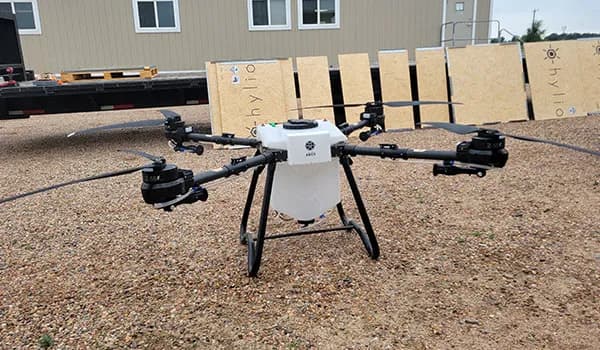
Colorado —The morning mist still clings to the high plains near Fort Morgan when the drone lifts off. It’s a quiet sound, barely louder than a breeze through the dry grass, but it signals a shift in how the state manages the land. For years, keeping invasive weeds in check meant sending crews out on ATVs or hiring helicopters that sprayed wide swaths of land, often wasting herbicide and disrupting wildlife. Now, a 13-gallon tank hovering above Morgan County is learning to pick its targets with centimeter precision.
Colorado Parks and Wildlife is rolling out this new precision spraying technology to northeastern state wildlife areas, starting in spring 2027. The goal is straightforward: kill the weeds that choke out native plants so wild turkeys, pheasants, deer, and shorebirds have somewhere to hide and eat. The $65,000 craft and its supporting mapping equipment were funded by a mix of public and nonprofit wildlife sources, including a grant from the National Wild Turkey Federation.
“To hear them tell it, this is about giving managers access to habitat they simply could not manage before,” said David Nikonow, the federation’s district biologist. “Diverse, native species create quality habitat, and that’s what we’re trying to restore with this new technology.”
The logic is simple enough, even if the tech is new to many locals. Invasive species like leafy spurge and Canadian thistle crowd out the Western native plants that local wildlife actually need. Invasive cattails take over wetlands, turning diverse ponds into monocultures. When the invaders are pushed back, room opens up for Gambel oak, serviceberry, and big bluestem to grow back. Better plants mean better cover. Better cover means more turkeys.
The old way of doing things was labor-intensive and imprecise. Workers would go out on foot or ATVs with backpack sprayers, or helicopters would blanket an area with herbicide. The new drone uses GPS mapping to track the exact location of targeted weeds. It doesn’t just spray; it maps. It can treat up to 50 acres an hour, and because it’s precise, it can target individual weed patches under trees or inside wetlands without dousing the whole area.
Nikonow noted that the drones can double duty. They aren’t just spraying; they’re surveying. Thermal imaging cameras mounted on the drones can detect wild turkeys roosting in trees at night. That means managers can count birds and kill weeds in the same pass, saving time and money.
The precision is the key selling point. Centimeter accuracy means less herbicide is used, which reduces potential environmental damage compared to the wider pattern of helicopter spraying. The GPS mapping also allows the drone to return to the same spots year after year, re-treating areas as necessary to ensure native species can establish themselves.
This isn’t just about turkeys, though. The project is designed to help a wide range of wildlife. Pheasants need those low shrubs. Deer need the cover. Shorebirds need the wetlands. By restoring the native plant base, the state is trying to rebuild the foundation of the ecosystem.
The drone will start its work in spring 2027, covering areas from Morgan County through Yuma County. It’s a small footprint for a big change in how the state interacts with its public lands. Instead of blasting an area with a helicopter, they’re sending in a precise instrument that can map, count, and treat the land with minimal disruption.
Nikonow sees this as a significant step forward for land management in the region. “Innovators are tinkering with drone design and power to add land management functions and lower the price range for public agencies,” he said. It’s a move that could make habitat management cheaper and more effective for other states and agencies looking to do the same thing.
For now, the focus is on northeastern Colorado, but the implications stretch further. If the precision holds and the native plants come back, the wild turkey population could see a boost. And for folks who hunt or just enjoy watching the birds in the fields near their homes, that’s a win worth waiting for.
“The math holds up,” Nikonow said. “We’re spending less on herbicide, we’re using less fuel, and we’re getting better results for the wildlife. It’s a better way to manage the land.”
Keep up with Colorado
The day's Western Slope news, one email each morning. Free.

Federal Report Sets 200,000 Acre-Foot Water Conservation Target for Upper Basin

Hickenlooper Advances Bill to Force Hospital Price Transparency