Idaho Springs Residents Mourn St. Mary’s Glacier After Record Heat
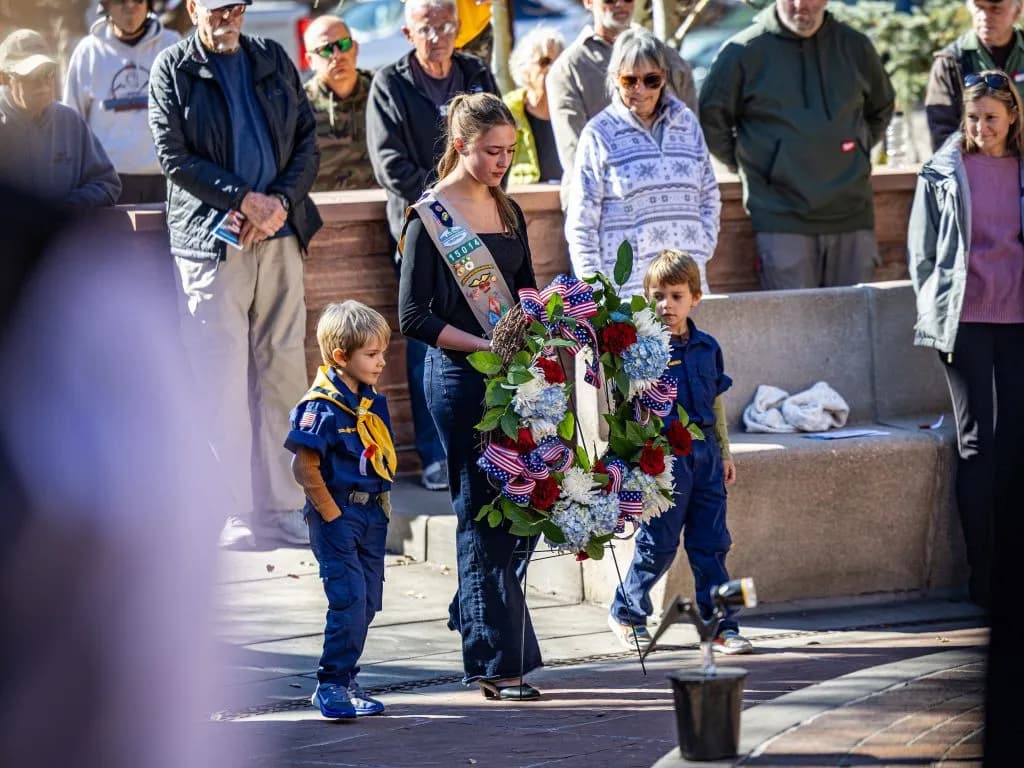
Residents gathered in Clear Creek County Sunday to mourn the disappearance of St. Mary’s Glacier, marking a moment of collective grief as record heat erased the perennial snowfield for the first time on record.
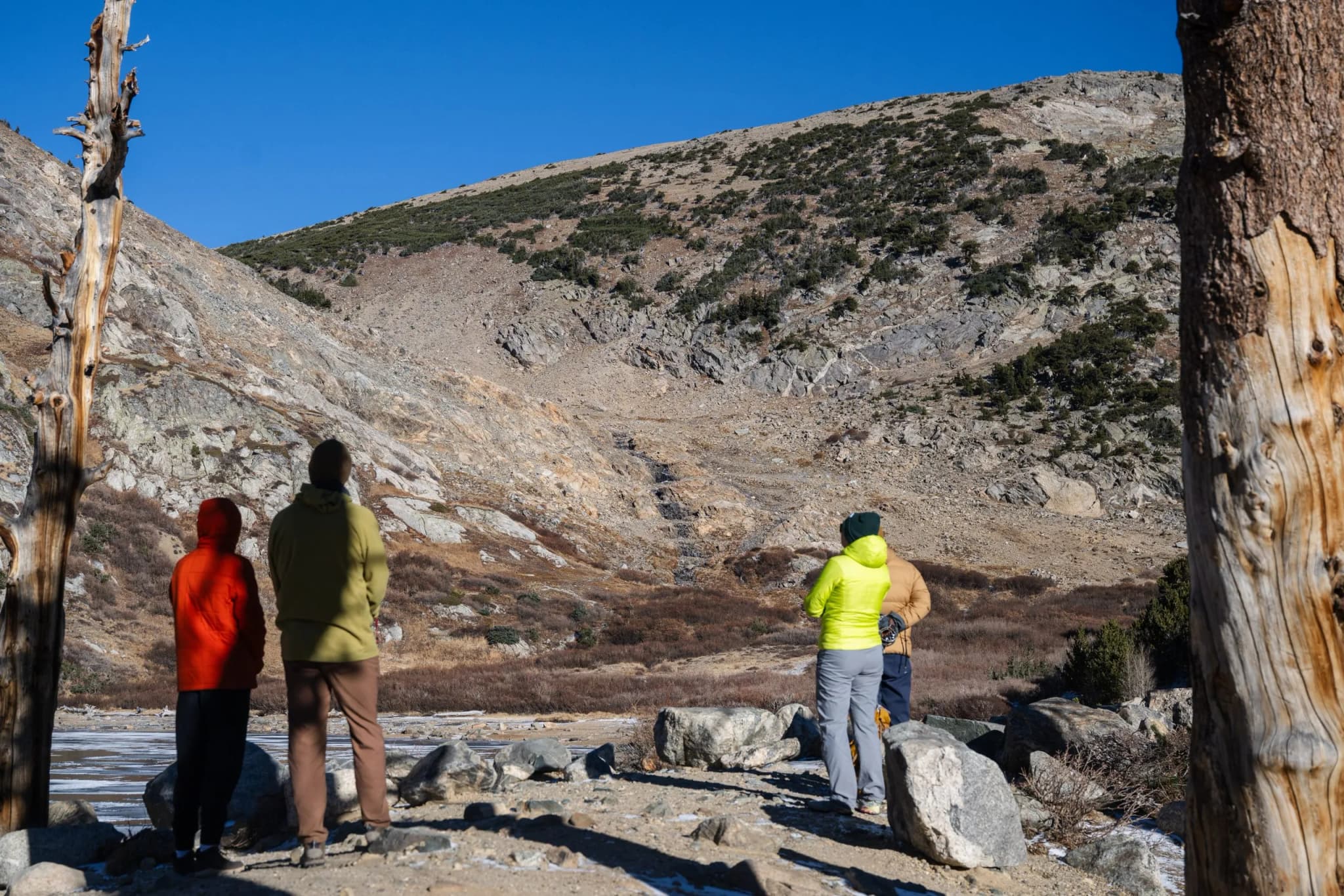
The rock is bare. Dark, stained by meltwater runoff that was previously hidden under a permanent sheet of ice. It sits northwest of Idaho Springs in Clear Creek County, where the wind off the Continental Divide cuts sharp against exposed granite. There is no snow. There is only stone, and the silence that follows its disappearance.
Jamie Anderson stood on that slope this past Sunday. He looked up at the barren face of St. Mary’s Glacier. Then he led a moment of silence.
Anderson remembers sledding down this same spot in the middle of summer, thirty-five years ago. Back then, snow covered the ground. Now, it’s gone.
The short version: St. Mary’s Glacier is dead. Or at least, it melted away for the first time on record sometime in September.
The Colorado Sun reported that following a record-hot temperature and the worst snowpack on record, the iconic perennial snowfield vanished. Some glaciologists believe this is a first in history. A heavy winter snowfall could temporarily rebuild the field, but scientists note that long-term warming trends make summer meltouts more likely. More ice is melting faster than it can be replaced.
Anderson organized the funeral to provide what he called “emotional catharsis.” He didn’t want ownership. He wanted a place for people to come together and express the feeling of loss.
This isn’t just a local quirk. It’s part of a growing global phenomenon: ceremonies marking the loss of glaciers and snowfields to climate change.
Cymene Howe, a cultural anthropologist and professor at Rice University in Texas, says these memorials help people reckon with a loss that is otherwise too abstract to grasp.
“You don’t have to understand the science to get it,” Howe said. “They are a human universal. We always have had rituals for the dead.”
Howe’s work began in Iceland. She was researching how Icelanders grappled with the loss of ice and their national identity when she learned that a glacier known as “Ok” had effectively died. The disappearance went largely unrecognized, marked only by a 72-word announcement from a glaciologist.
Howe saw that as a threshold moment. In August 2019, she helped organize what is believed to be the world’s first memorial for a glacier. The ceremony drew Iceland’s prime minister, glaciologists, and young climate activists. A plaque was installed near where the glacier once stood.
The plaque reads: “Ok (pronounced ‘awk’) is the first Icelandic glacier to lose its status as a glacier.”
Back in Colorado, the landscape tells a different story than the plaque does. The rocks around St. Mary’s are dark-stained from runoff, a visual record of the water that used to be trapped in ice. Hikers navigate over terrain that would typically be covered by snow.
The technical distinction matters, though St. Mary’s is not technically a glacier. It is a perennial snowfield. But to the people who grew up seeing it, the difference is academic. It’s a place that was always there, and now it isn’t.
Anderson made no mistake in his intent. He didn’t want a protest. He wanted a pause. A recognition that something permanent has shifted, even if the snow returns next winter.
The science is complicated. The grief isn’t.
Read that again: the snowfield melted for the first time on record. Not because of a bad winter, but because the system that kept it cold is failing.
For folks around here, this hits close to home. The Western Slope and the Front Range share the same warming trends. If a snowfield in Clear Creek County can vanish, what does that mean for the reservoirs feeding our cities? For the ski seasons we rely on? For the property values tied to a reliable snowpack?
Officials rarely talk about this in terms of grief. They talk about mitigation, adaptation, and funding gaps. But the ritual speaks to a different truth: we are losing things we thought were fixed features of our landscape.
Howe’s research suggests that naming the loss is a necessary step in processing it. You can’t mourn what you don’t acknowledge as dead.
The plaque for Ok stands in Iceland. St. Mary’s has no plaque yet. Just bare rock, and the people who showed up to stand on it.
The next time you drive through Clear Creek County, look at the slopes. They’re darker than they used to be. That’s not a color change. That’s water, moving faster, leaving less behind.
Keep up with the Western Slope
The day's Western Slope news, one email each morning. Free.