Independence Pass Wreck Cleanup Stalls as Forest Service Waits for Budget
The 1968 aircraft wreckage at Independence Pass remains a scattered hazard as the Forest Service cites budget constraints and logistics, leaving the Independence Pass Foundation to manage a low-priority cleanup effort.
Aspen —The rust on the fuselage doesn’t just sit there; it eats.
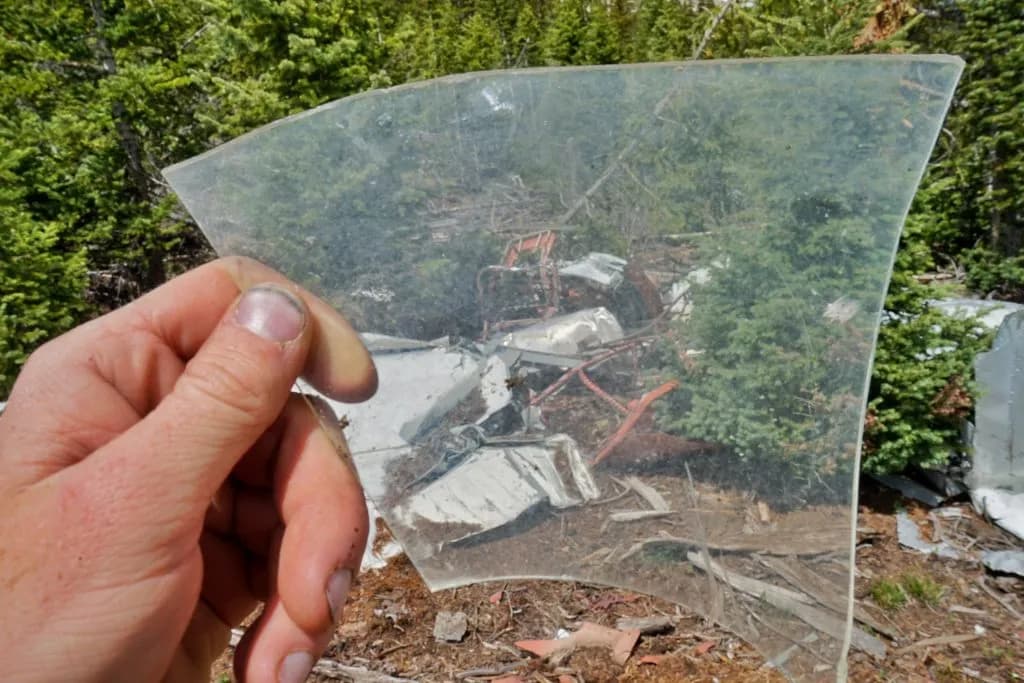
It’s been fifty-eight years since a small aircraft slammed into the subalpine trees above Independence Ghost Town, killing the pilot and three passengers. Their bodies were pulled out that winter. The plane? It stayed. Hidden by the pines, left to the harsh freeze-thaw cycles of the pass, it has slowly turned into thousands of sharp, jagged fragments.
Now, locals driving down Highway 82 might catch a glimpse of it, or they might not. But the question hanging over the pass isn’t whether the plane is there. It’s why no one is fixing it.
Here’s the thing though: the obvious assumption is that the U.S. Forest Service is just lazy. Or understaffed. Or both. And sure, that’s part of the story. But the real issue is a bureaucratic standoff between a foundation that wants the hazard gone and a federal agency that’s decided "good enough" means "leave it until the budget allows."
Karin Teague, the Independence Pass Foundation’s Executive Director, says the cleanup has slid to the bottom of the pile. She compares it to cleaning the bathrooms on the pass — a task the foundation is already helping to subsidize. It’s a low priority. A very low one.
“I’m not even sure that project should be on the list anymore, as it’s become pretty low priority, especially in light of the situation with the Forest Service having lost so much staff and so much funding under the current administration,” Teague said.
Picture this: a piece of metal, no bigger than a dinner plate, lying in the snow near where Scott Toepfer examined a section of door on a recent Saturday. That’s what we’re dealing with. The wreck isn’t a single, coherent object anymore. It’s a scatter of debris across an avalanche path.
David Boyd, the Forest Service’s public affairs officer for the White River National Forest, isn’t denying the mess. He’s just explaining the logistics. The crash site is in a wilderness area. That means little to no motorized equipment. You can’t just bring in a bulldozer and scrape it clean. You need a professional reclamation crew. You might need a helicopter to lift the bundled debris out. Or you need manpower, which is expensive and slow.
“We might do (the cleanup) in the future, but it is not a priority for the White River National Forest, especially given that it would require professional removal,” Boyd wrote in an email.
And here’s the kicker: Boyd says there’s no environmental hazard. No fuel leaking. No toxic sludge seeping into the soil. Teague agrees. It’s mostly just ugly. And dangerous for hikers who might trip on a sharp shard of aluminum.
A similar cleanup on Midway Pass a few years back used helicopters to remove the wreckage. That was easier. This is harder. The 1968 wreck is old. It’s broken apart. It’s stubborn.
So, who pays? The foundation is watching. The Forest Service is waiting. And the plane is still there, slowly deteriorating, waiting for a budget line item that hasn’t shown up yet.
Not exactly a crisis. But not exactly a non-issue either. It’s just a rusting reminder that in the mountains, things don’t disappear. They just get buried deeper.
Keep up with Aspen
The day's Western Slope news, one email each morning. Free.