Interior Plan to Sell Federal Lands Sparks Colorado Backlash
The Interior Department’s new strategic plan proposes selling federal lands to states and tribes, prompting fierce opposition from Colorado senators and Western Slope residents.
Steamboat Springs —The parking lot of the Bureau of Land Management’s Little Snake Field Office in northwest Colorado sits quiet under the high desert sky. It’s a place where maps are drawn and decisions made about land that stretches from the Continental Divide to the Wyoming border. But inside the agency, the atmosphere is anything but calm. Last year, the state director described the aftermath of federal cuts as leaving “big holes” in the workforce, with roughly one-third of positions in the state vacant.
That sense of erosion is exactly what Colorado lawmakers are trying to stem. On Nov. 10, the U.S. Department of Interior published its 2026-2030 strategic plan, a 28-page document that outlines a bold, if controversial, vision for the future of federal land management. The plan calls for a focus on energy dominance, workforce consolidation, and, perhaps most significantly, a reduction in the size of the federal government’s land holdings.
“The department will work to decrease the size of the federal estate by offering to states, localities, and tribes the opportunity to purchase federal lands,” the plan states.
It’s a line that has sent ripples through the political landscape of the Western Slope. For many locals, public lands aren’t just assets on a balance sheet; they’re the backdrop to their daily lives, the trails they hike, the rivers they fish, the views that define their sense of place. The idea that these lands could be sold off, even to state or tribal entities, feels to some like a slippery slope toward privatization.
Colorado Sen. John Hickenlooper, who sits on the Senate Energy and Natural Resource Committee, was unequivocal in his opposition. “Colorado’s crown jewels are not for sale. Period,” he said in a statement. “Public lands belong in public hands, and we’ll fight tooth and nail to keep them that way.”
His sentiment was echoed by U.S. Sen. Michael Bennet, who noted that the Interior Department was “doubling down” despite widespread opposition to such proposals. The Colorado delegation as a whole has been vocal in its resistance, particularly after Senate Republicans attempted to sell off millions of acres of public land as part of the budget reconciliation process last summer.
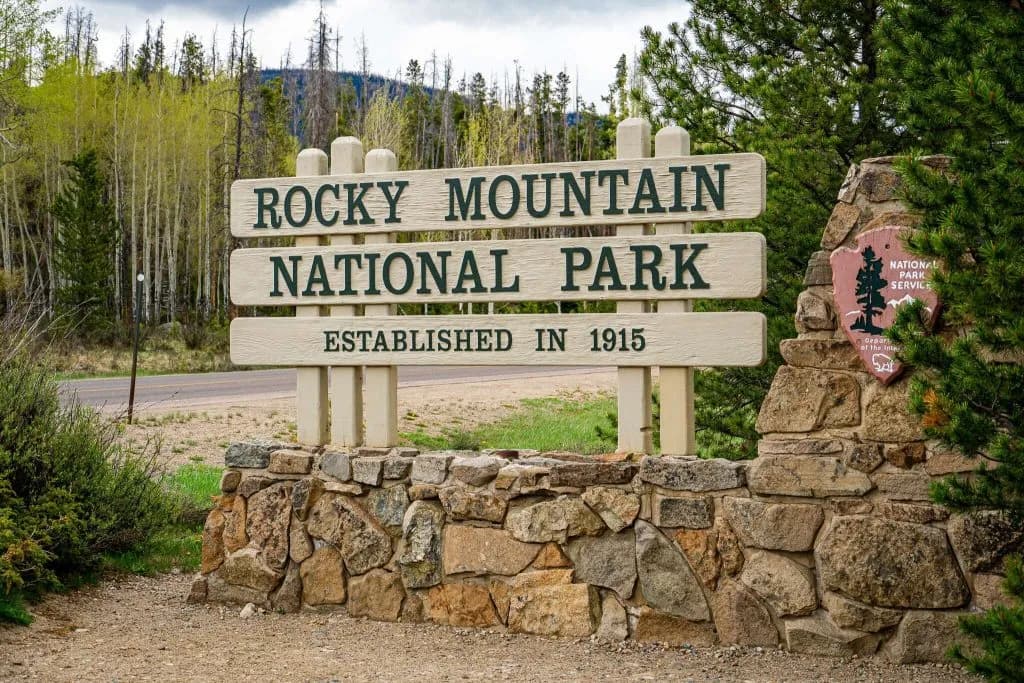
Polling has shown that roughly 3 in 4 Western voters oppose public land sales, a statistic that underscores the political risk of moving forward with the Interior Department’s plan. Yet, as of now, the department has provided few public details about how the land sales would be conducted. Questions remain about which lands would be considered for sale and whether iconic Colorado sites like Rocky Mountain National Park could be impacted. The department did not return a request for comment sent last week, leaving many of these questions unanswered.
What is clear, however, is that the Interior Department’s plan is part of a broader effort to streamline the federal government. The strategic plan explicitly mentions consolidating the workforce to advance operational efficiencies, a nod to the massive wave of layoffs and resignations that hit the department at the start of President Donald Trump’s second term. The plan also highlights a focus on artificial intelligence, suggesting that the department sees technology as a key tool for managing its vast portfolio of lands and resources.
For the people living along the Western Slope, the stakes feel personal. The BLM manages a significant portion of the public lands in the region, including areas critical for grazing, mining, and recreation. Any changes in how these lands are managed or owned could have direct implications for local economies and lifestyles. The fear is that a reduction in federal oversight could lead to less protection for natural resources and wildlife, or that the sale of lands could open the door to development that alters the character of the landscape.
As the political battle over public lands intensifies, the quiet parking lot of the Little Snake Field Office serves as a reminder of the tangible presence of federal authority in the region. It’s a place where the abstract policies in Washington are translated into real-world decisions about land, water, and life. Whether the Interior Department’s plan holds or falls will depend on the outcome of the congressional fight, but for now, the sense of uncertainty lingers, a shadow cast over the vast, open spaces that define Colorado’s identity.
Keep up with Steamboat Springs
The day's Western Slope news, one email each morning. Free.

Is it actually easier to talk about mental health in the valley

The parking lot at Bighorn Toyota in Glenwood Springs is quiet at 6 a
The phrase “affirmative defense” sounds like a marketing slogan for a gym membership, not a legal concept

Yampa Valley Dietitian Suggests Simple Plate Ratio for Healthy Eating

Griffey's Final Morning: A Hunter Reflects on Losing His German Wirehaired Pointer