Iran Closes Strait of Hormuz Ahead of Switzerland Nuclear Talks
Iran closed the Strait of Hormuz as a warning signal to the U.S. and Israel, yet ships continued to transit, setting the stage for high-stakes nuclear negotiations in Switzerland.
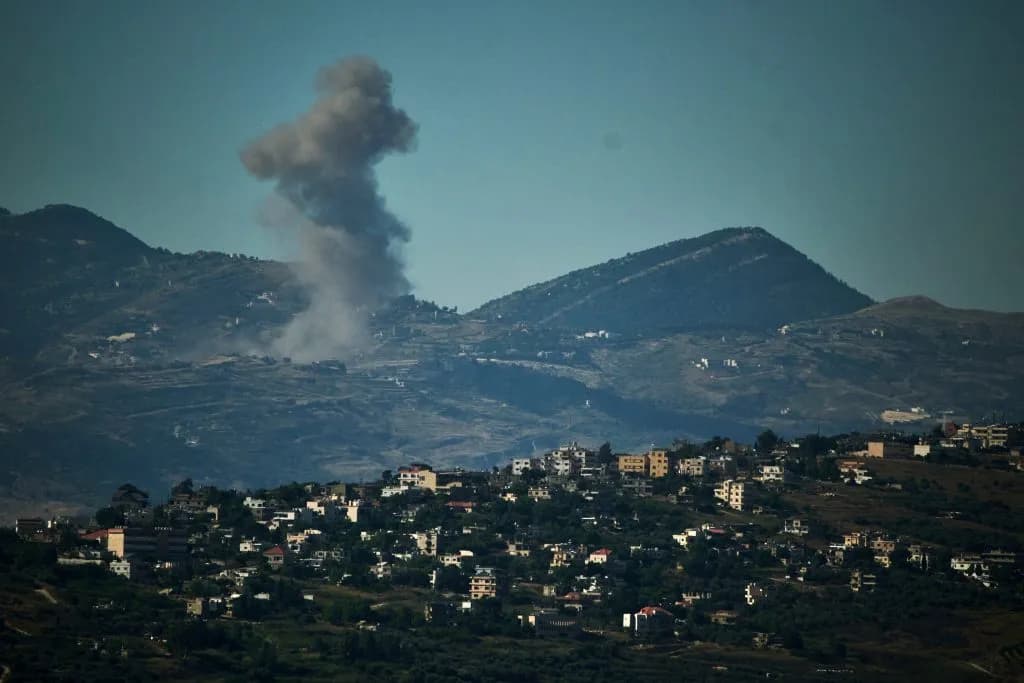
Aspen —Iran closed the Strait of Hormuz. That’s the headline. The move came Saturday, a direct response to Israel’s continued air strikes in Lebanon and what Tehran called a U.S. breach of its commitments to end the war.
But here’s the thing: ships kept moving.
The U.S. military reported that 55 merchant vessels transited the strait on Saturday, carrying more than 17 million barrels of oil to global markets. The closure wasn’t a total blockade; it was a signal. A warning shot fired at the interim agreement signed earlier in the week.
"This trip is therefore about demanding that the other side fulfill its obligations," said Esmail Bagahei, the Foreign Ministry spokesperson. He made it clear that the upcoming talks in Switzerland aren’t about starting from scratch. They’re about pressure.
Negotiations begin Sunday in Bürgenstock, Switzerland. Key mediator Pakistan is already on the ground. Qatari mediators are there too. Iran’s delegation includes parliamentary Speaker Mohammad Bagher Qalibaf, Foreign Minister Abbas Araghchi, and officials from the central bank and oil sectors.
Jared Kushner and Steve Witkoff, the top U.S. negotiators, are already in Switzerland working through technical details. Vice President JD Vance confirmed he’ll be heading there "sometime the next couple of days."
"It’s always a delicate coordination dance," Vance told Fox News.
The question for folks watching the markets is whether this signals stability or chaos. The interim deal was supposed to be a milestone. It left plenty of questions unanswered.
Iran’s joint military command issued the closure order citing Israeli attacks and U.S. "bad faith." They warned that "if the aggression continues, subsequent steps have been planned."
Bagahei added a crucial caveat. Negotiations toward a final agreement won’t start until Iran feels the U.S. is actually delivering on its promises. If the commitments aren’t upheld, the entire memorandum of understanding is jeopardized.
It’s a high-stakes game of chicken. The U.S. wants nuclear restrictions. Iran wants the U.S. to stop the bleeding in Lebanon and honor the interim deal. In the middle is the Strait of Hormuz, a choke point for roughly 20% of the world’s oil supply.
Pakistani Interior Minister Mohsin Naqvi met with Araghchi in Tehran earlier Saturday to keep the direct talks alive. The meeting happened behind closed doors, officials said, because of the sensitivity.
Locals in the valley might not feel the oil prices immediately, but the uncertainty ripples out. If the talks fail, the strait could stay closed longer. If they succeed, it’s a temporary reprieve.
Bagahei put it plainly: "Then the memorandum of understanding as a whole will be jeopardized."
That’s the bottom line. The ships are moving. The negotiators are talking. But the trust is thin.
Keep up with Aspen
The day's Western Slope news, one email each morning. Free.


The digital counter on the side of the bus in Carbondale ticks over, but the seats inside are half-empty

Eagle County Launches Aging Well Roadmap To Keep Seniors Housed