Western Slope Residents Face Uncertain Future Amid Iran Conflict
The conflict in Iran has far-reaching consequences for Western Slope residents, from rising gas prices to potential increases in military spending and activity.
Colorado —"I dread to think," Mike Littwin says, as negotiations to end the war in Iran are set to begin in Pakistan. The stakes are high, and the outcome is far from certain. Here in the Western Slope, it's easy to feel disconnected from the conflict, but the reality is that the consequences of failure will be felt locally.
The sun is setting over the Grand Mesa, casting a golden glow over the landscape. Folks around here are more concerned with the upcoming fishing season than international politics. But the truth is, the war in Iran will impact our daily lives in ways we might not even realize.
For one, the conflict has already led to increased tensions in the global oil market. Iran's threat to monetize the Strait of Hormuz by collecting million-dollar tolls could drive up gas prices, which would hit Western Slope residents hard. One of the main concerns is that 20% of the world's oil supply is controlled by a country in turmoil.
Picture this: a long line of cars waiting to fill up at the pump in Delta, with prices soaring above $4 a gallon. It's not a pretty sight, and this scenario is all too possible if the negotiations fail.
And then there's the issue of national security. One of the likely outcomes of the conflict in Iran is that it could draw in other countries, including the United States. If that happens, military spending will likely increase, which would be felt locally. The Western Slope is home to several military bases and installations, and an increase in military activity could have a significant impact on the local economy.
Not exactly what you'd call a boon for local businesses, though. The increased military presence could also lead to an influx of new residents, which could put a strain on local resources and infrastructure.
Here's the thing, though: the conflict in Iran is complex, and there are no easy solutions. The fact that Israel is still bombing Iran-backed Hezbollah in Lebanon, despite the ceasefire, is a major complication. It's a reminder that the situation on the ground is volatile, and that escalation is always a possibility.
As Littwin notes, the lead negotiator for the United States is JD Vance, whose diplomatic experience is limited, to say the least. It's a concern that has been raised by many, and it's one that should give us all pause.
The outcome of these negotiations is far from certain, and one thing that is certain - the consequences of failure will be felt far beyond the Middle East. They'll be felt right here in the Western Slope, in ways both big and small.
And that matters because, as a community, we need to be aware of the potential risks and consequences of this conflict. We need to be prepared for the possibility of increased gas prices, and the impact on our local economy.
The sun has dipped below the horizon now, casting a dark shadow over the landscape. It's a reminder that the situation in Iran is serious, and the stakes are high. As we wait to see what will happen next, the Western Slope will be watching, and waiting, with bated breath.
In the parking lot of a local gas station, a sign reads "Gas: $3.50 a gallon." It's a price that's already higher than many of us would like, and it's a reminder that the conflict in Iran is already having an impact on our daily lives. As the situation continues to unfold, this number could go up, and up, and up.
Keep up with Colorado
The day's Western Slope news, one email each morning. Free.


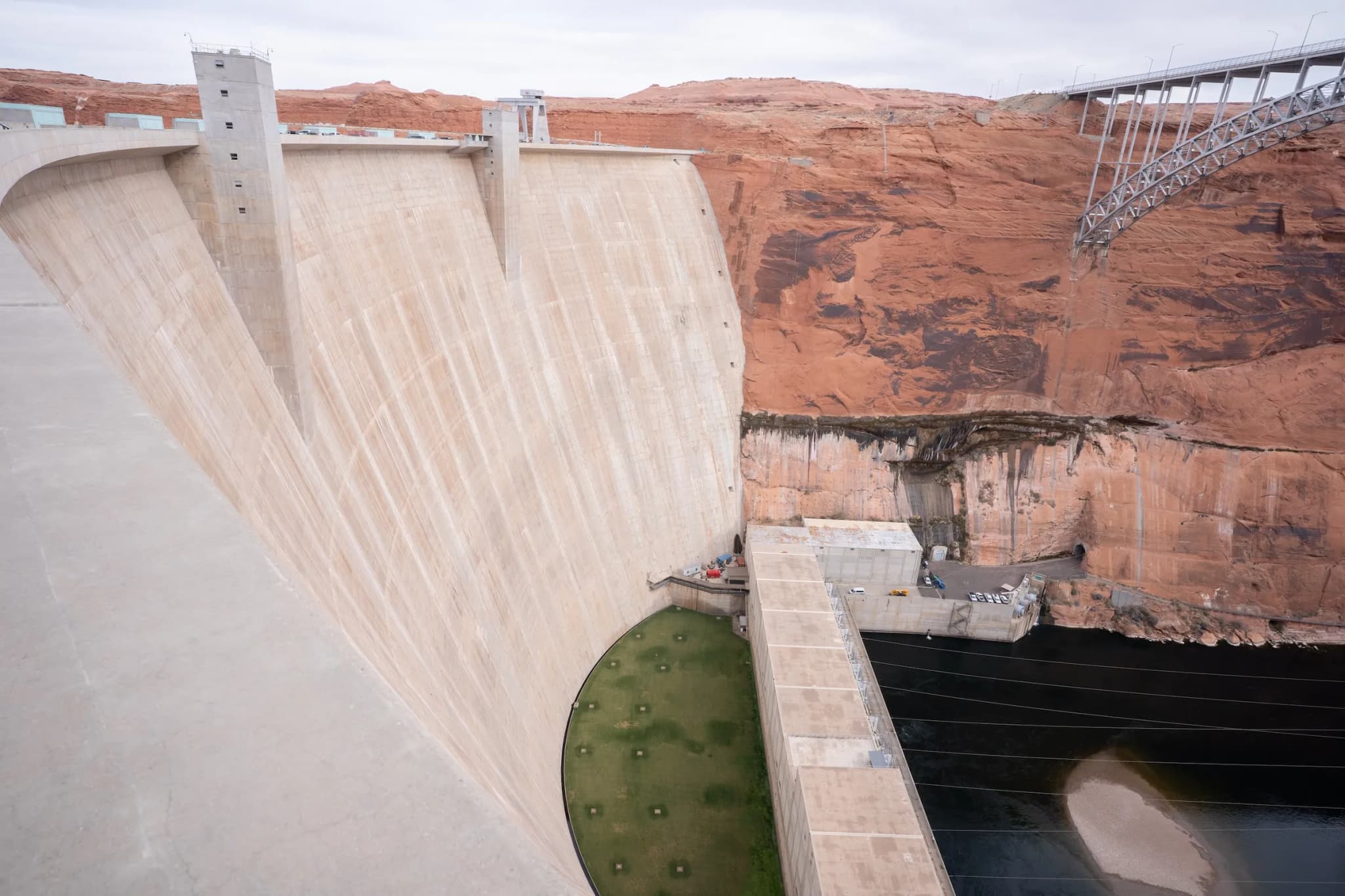
Federal Report Sets 200,000 Acre-Foot Water Conservation Target for Upper Basin
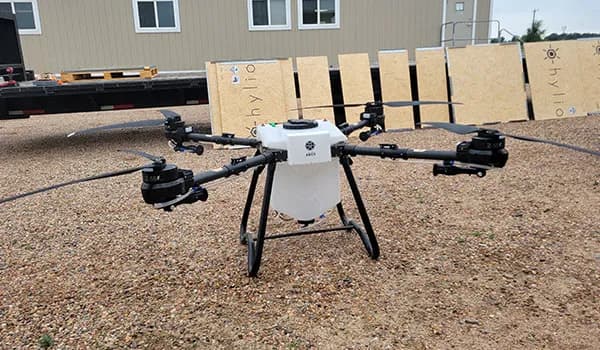
Colorado Parks and Wildlife Deploys Precision Drones for Weed Control