Israel and Hezbollah Agree to Ceasefire Amid US-Iran Nuclear Talks
Israel and Hezbollah agree to a fragile ceasefire on Friday, stabilizing the southern Lebanon front while supporting broader US-Iran negotiations that have reopened the Strait of Hormuz and restarted nuclear talks.
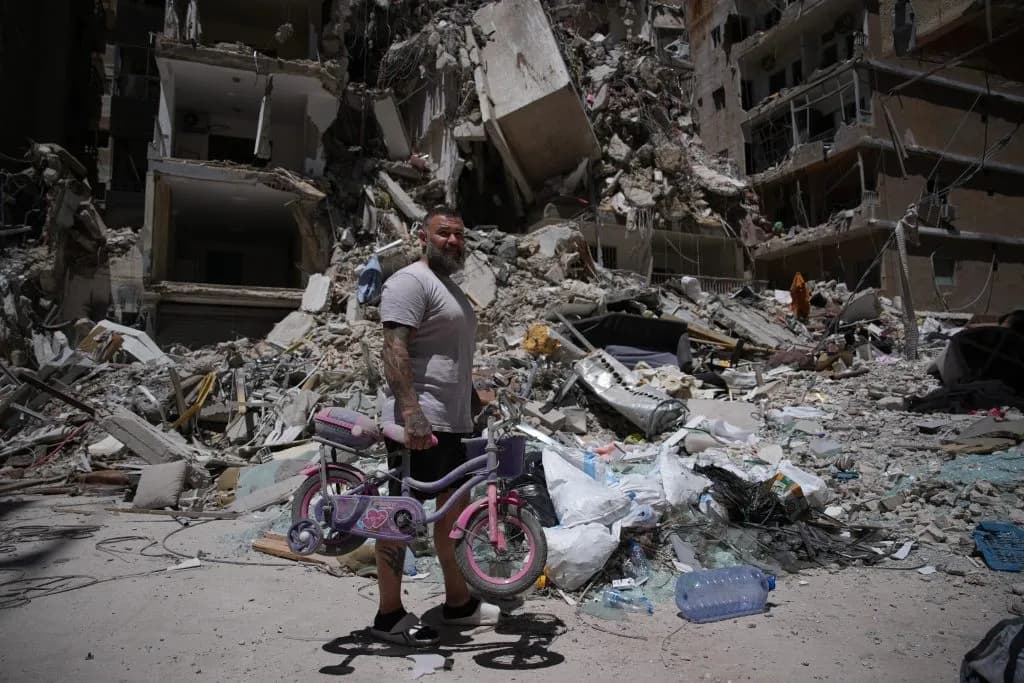
Aspen —Israel and Hezbollah agreed Friday to halt heavy fighting in southern Lebanon, a move that stabilizes the front line but does not guarantee peace. The truce aims to prevent the conflict from unraveling the interim agreement between the United States and Iran. That broader deal is already reopening the Strait of Hormuz and restarting nuclear talks.
The fighting killed 47 people in Lebanon and four Israeli soldiers before the ceasefire took effect.
It’s a fragile pause. Neither side immediately confirmed the truce. Hezbollah’s own officials said an announcement was imminent but stopped short of verifying it was live. Israeli Prime Minister Benjamin Netanyahu’s office offered no comment. Netanyahu did post on X that his army struck 150 Hezbollah targets, killing dozens of militants. Military spokesman Brig. Gen. Effie Defrin said forces remain in a “forward defense zone” and have received no new orders to withdraw.
The timing matters. The US-Iran talks were already delayed because of the Lebanon violence. The ceasefire was supposed to kick in at 4 p.m. local time. Hours later, artillery fire still echoed from northern Israel. A large explosion erupted inside Lebanon. An AP journalist confirmed the noise.
Qatar, the US, and Iran mediated the effort. Three regional officials spoke on condition of anonymity. They said the agreement was reached. But the deal has conditions that keep both sides stuck. Netanyahu vowed to keep troops in southern Lebanon until the threat is gone. Hezbollah refuses to stop attacking unless Israel commits to a full withdrawal. Iran says that withdrawal is a condition of the wider deal.
Neither Israel nor Hezbollah is a party to the US-Iran accord. They are just the flashpoint that could burn it down.
The interim agreement has already done its job in one area: it reopened the Strait of Hormuz. Iran had effectively closed the waterway, cutting off global supplies of oil and natural gas. The deal also relaunches talks on Iran’s nuclear program. That is the core issue. Israel and the US started the war on Feb. 28 to force those talks.
Now, the fighting threatens to undo it all. The accord calls for a halt to military operations in Lebanon and respect for its sovereignty. But the violence has already pushed back the start of the next round of talks in Switzerland.
Locals on the ground are watching the border. The heavy exchange of fire that preceded the truce involved rockets and drones from Hezbollah targeting civilian communities in northern Israel. Israel responded by seizing large swaths of southern Lebanon. The territory changes hands with every salvo.
The short version: The shooting stops for now. The politics remain unresolved. Netanyahu wants security. Hezbollah wants withdrawal. The US wants a nuclear deal. Iran wants sanctions relief. Everyone is waiting for the others to blink.
The ceasefire is a tactical pause, not a strategic solution. If the US-Iran talks stall, the Lebanon front will likely ignite again. If the talks succeed, the pressure on Hezbollah and Israel will shift. Until then, the artillery keeps firing. The explosions keep echoing. The diplomats keep talking.
The question is whether the truce holds long enough for the nuclear talks to produce something tangible. Or if the fighting resumes before the ink dries on the next agreement. The Strait of Hormuz is open. The nuclear talks are restarting. But the guns in Lebanon are still warm.
Keep up with Aspen
The day's Western Slope news, one email each morning. Free.