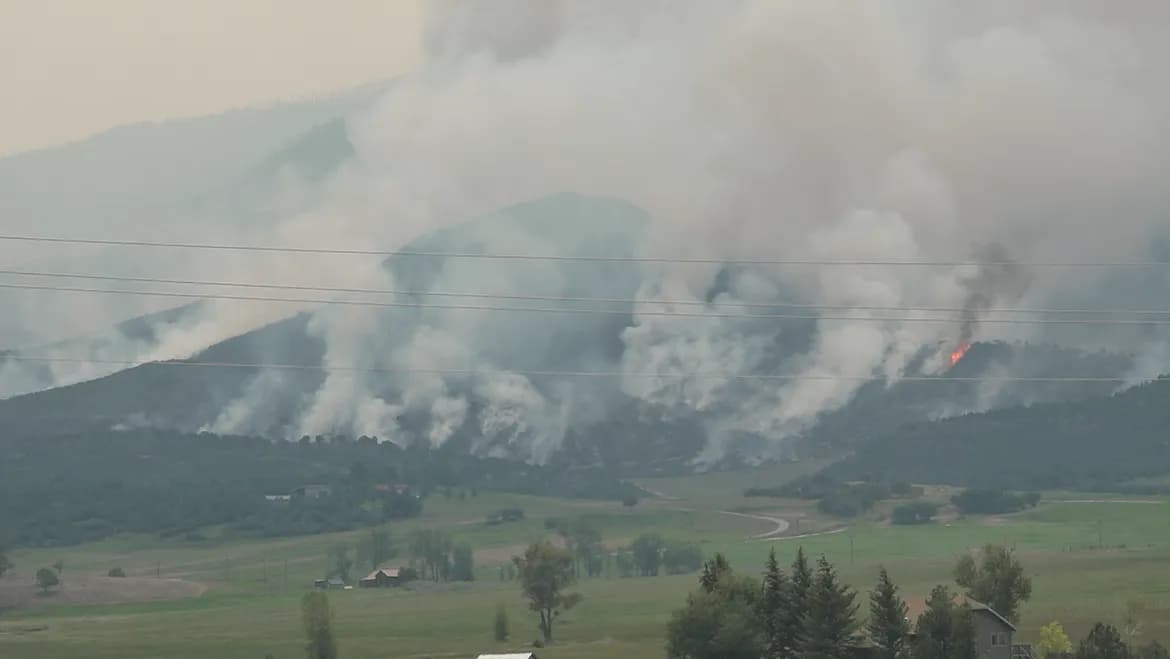
Judge Amy Berman Jackson Strikes Down Federal SNAP Soda Ban
U.S. District Judge Amy Berman Jackson rules that the USDA overstepped its authority, vacating the federal approval for states to restrict SNAP purchases of sodas, energy drinks, and candy.
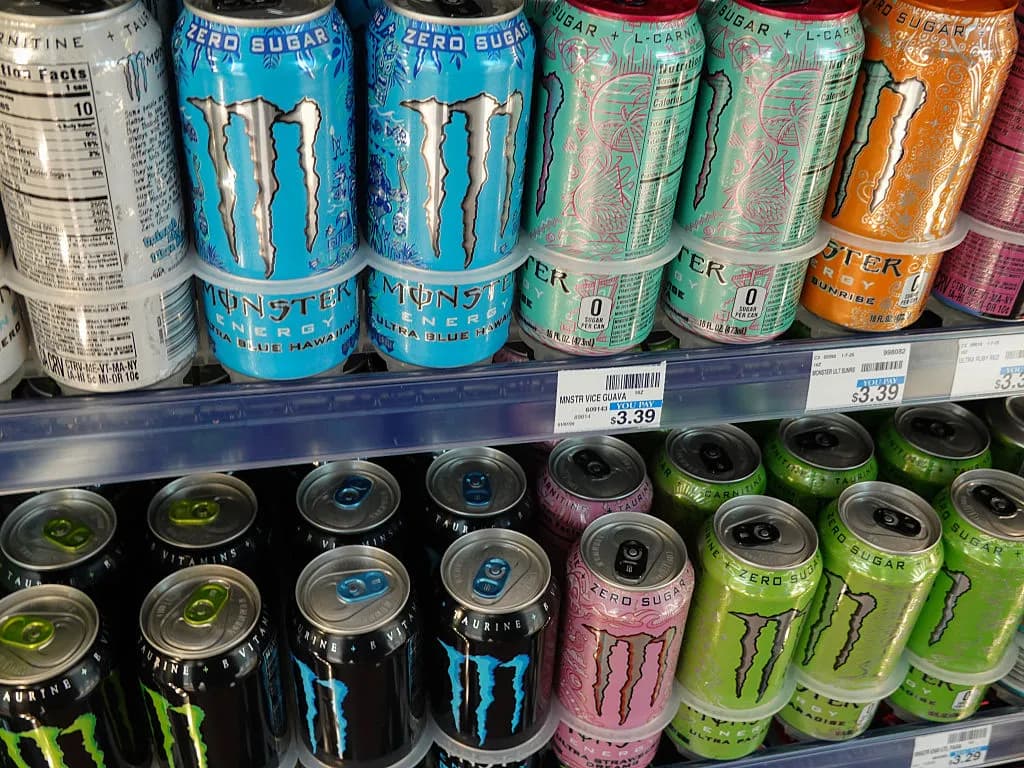
Western Slope —The air in the Delta County courthouse still held the faint, stale scent of old paper and floor wax when the gavel came down, but the echo of that single strike rippled far beyond the heavy oak doors. It didn’t just settle in the valley; it settled in the pantries of half a million Coloradans who had spent the last six months staring at the soda aisle with a new, anxious eye. For months, we were told that the federal government, in its infinite wisdom, was trying to "Make America Healthy Again" by deciding which sugary drinks and candy bars were worthy of our tax dollars and which were not. Now, a federal judge has told them to shove it.
U.S. District Judge Amy Berman Jackson didn’t just poke at the rule; she dismantled it. On Monday, she ruled that the USDA had overstepped its bounds, violating the congressional definition of "food" when it allowed states to restrict SNAP purchases of sodas, energy drinks, and candy. It wasn’t a subtle tweak. It was a full-throated rejection of the idea that the government could simply ban items from the food stamp cart because it deemed them "junk." The ruling vacated the approval letters granted to states like Colorado, meaning the restrictions we’ve been slowly rolling out since January are now legally void, at least for now.
You can feel the tension in the way this story is unfolding. It’s not just about sugar. It’s about who gets to decide what a poor person eats. The legal challenge was filed by beneficiaries in five states — Colorado, Iowa, Nebraska, Tennessee, and West Virginia — but the ripple effect touches eighteen other states that had already implemented or were planning to implement similar bans. That’s a lot of grocery carts changing direction.
The Trump administration hasn’t blinked. Agriculture Secretary Brooke Rollins posted on social media that they “will keep fighting to Make America Healthy Again,” a phrase that now feels less like a policy goal and more like a battle cry. But will they appeal? Will they drag this through higher courts for another year, leaving us in a state of nutritional limbo? The answer remains unclear, but the immediate impact is clear: the restrictions are gone.
There’s a warmth to the relief felt by those who opposed the bans, but also a sharp edge of cynicism. Chris Bernard of Hunger Free Oklahoma put it plainly, noting that the bans were just an opportunity to “stigmatize a single group of people for choices that everybody in America really makes.” It’s a fair point. When you look closely at the soda aisle, you see the same high-fructose corn syrup in the $3 bottle of Coke as you do in the $1.50 bottle bought with SNAP. The difference was never in the liquid; it was in the label.
The real question isn’t just whether the rules will change again, but how this plays out in the real world. Since SNAP is federally funded but state-administered, the timeline for implementation varies. In some places, the ban lifts tomorrow. In others, it might take weeks for the paperwork to catch up with the judge’s pen. And if the administration appeals, we could be back to square one, staring at those candy bars with renewed uncertainty.
For now, though, the gavel has spoken, and the soda is flowing again. You can almost hear the crinkle of the candy wrappers, the fizz of the opening can, the quiet relief of a family that doesn’t have to wonder if their snack choice will be judged by a federal judge in Washington. It’s a small victory, perhaps, but it’s one that tastes like freedom, even if it’s just for a while.
Keep up with Western Slope
The day's Western Slope news, one email each morning. Free.
Aspen Housing Authority Seeks $590K Office Upgrade Amid Cramped Conditions

Vail Secures Water Rights for 37-Unit Montelisse Condo Project
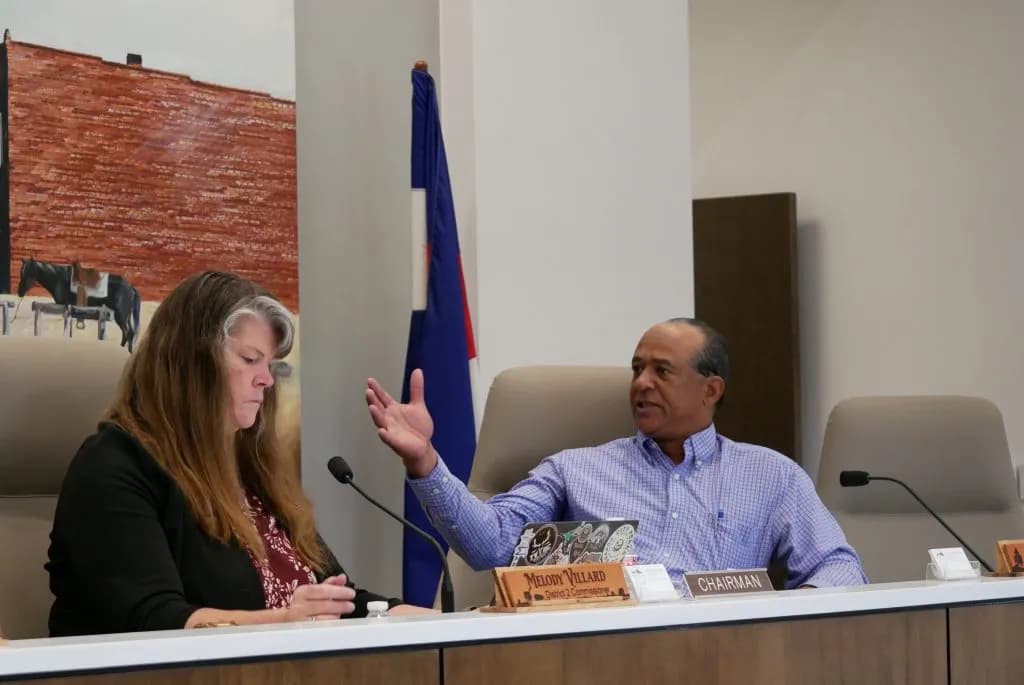
Moffat County Commissioners Weigh Data Center Moratorium Amid Transparency Claims
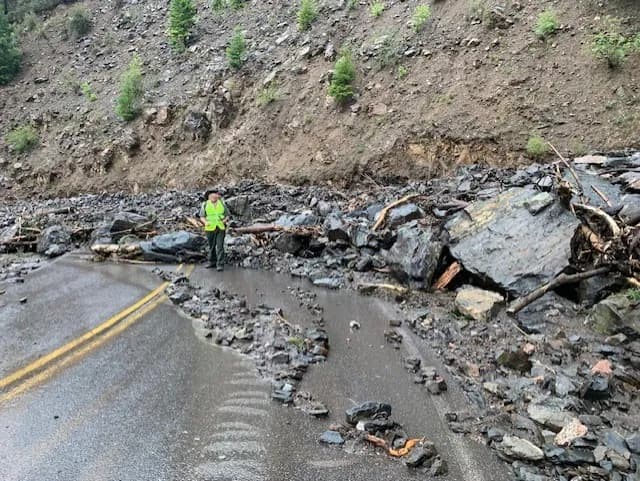
Mudslides Strand Visitors on East Portal Road After Heavy Rain
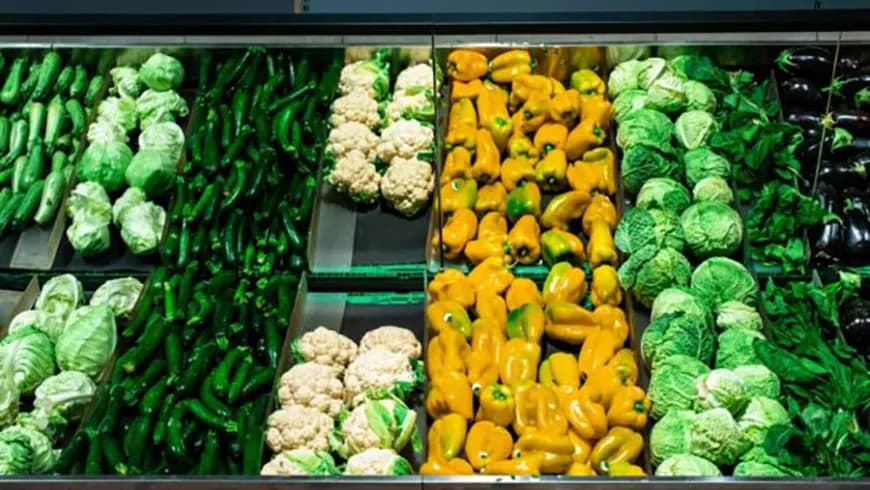
How Western Slope Residents Can Safely Wash Produce Amid Cyclospora Outbreak