JUNO Nominee Alysha Brilla Heads to Beaver Creek Vilar Center
Three-time JUNO nominee Alysha Brilla performs at the Vilar Performing Arts Center in Beaver Creek on Oct. 7 as part of the Love for the Locals series, blending global roots influences with local community spirit.
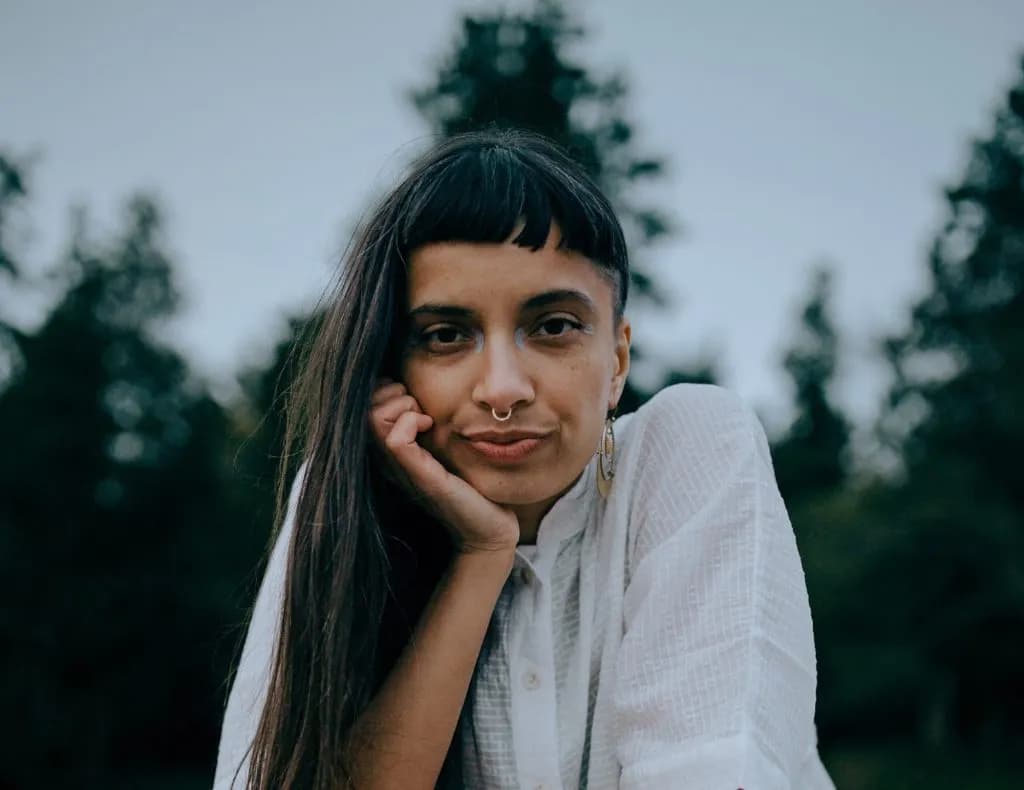
Aspen —The Vilar Performing Arts Center in Beaver Creek sits on a hill, looking out over the valley where the October wind is already picking up speed. On Wednesday night, that space will fill with sound — not the ambient hum of a ski town in transition, but the deliberate, rhythmic pulse of global roots music.
Alysha Brilla takes the stage on Oct. 7 as part of the Love for the Locals concert series, a program designed to keep cultural life alive in the high country during the shoulder season. The Vail Daily reported on the event, highlighting Brilla’s credentials: a three-time JUNO Award-nominated songwriter and producer who was named the 2025 Women in Music International Leadership Honoree. She also earned a 2024 Canadian Screen Award nomination for original score.
But the résumé is less interesting than the method. Brilla draws from the writing styles of Bob Marley and Joni Mitchell, focusing on what she calls "sincere lyrics about emotions." She wants her work to feel accessible.
"I like to write in a way that feels accessible to people," Brilla told the paper. "I like to think there’s a lot of universality to all of our experiences."
That universality is rooted in her own background. She grew up in Ontario, the child of parents from two distinct worlds: her father is Indo-Tanzanian, and her mother is Irish-English. That duality shapes the sonic landscape of her live shows.
"Their collective musical influences explain the variants you hear in my music," she said. "Between the two of them, there was everything from Joni Mitchell to ABBA, Michael Jackson, Prince and a ton of African and Indian music, as well."
For Brilla, the stage is an experiment in unification. She asks her audience to consider what can be sung together, played together, and how one bridges the gap between seemingly different worlds.
"My shows demonstrate: What is something we can all sing together? ... coming from what feels like two very different worlds through my parents, What is unifying between our seeming differences?"
She genuinely believes music functions as a universal language, one that bypasses the need for shared vocabulary. Choruses are written to be catchy, she notes, allowing people to sing along phonetically even if they don't understand the words.
"You don’t have to speak the same language to even sing a song," she said. "Once the drum starts going, it doesn’t matter where you are from in the world. You might start tapping your foot or clapping your hands."
This is not just a performance; it’s an argument against categorization. She views music as an ancestral tool for healing and ceremony, present in every culture’s weddings, birthdays, and funerals. It is a way to deliver profound messages with joy, rather than weight.
Her most recent album, "Circle," was written during and after the pandemic, a period she describes as feeling heavy. The record revolves around sound healing. Even now, after shows, people approach her to say a song made them cry.
"I think that crying is just as important as smiling," she said, trailing off into a thought about release.
She won’t be alone on the stage in Beaver Creek. The Vail Daily noted that Gerima Harvey and Sam Duke will also perform alongside Brilla on Wednesday.
The concert series is a reminder that the Western Slope’s cultural calendar doesn’t pause just because the snow hasn’t arrived. For one night, the focus shifts from lift lines to lyrics, and from property values to the simple, human act of tapping a foot in time with a drum.
Keep up with Aspen
The day's Western Slope news, one email each morning. Free.