Mulder Puts Hope for High Country Housing on Local Governments
Libertarian gubernatorial candidate Eric Mulder advocates for local zoning autonomy and market-driven solutions to address High Country housing, water, and wildlife challenges.
Aspen —The wind off the Continental Divide cuts through the valley floor, carrying the scent of pine needles and the distant hum of traffic on Interstate 70. It’s a landscape defined by stark contrasts: the sprawling, sun-drenched fields of the agricultural heartland against the rugged, snow-capped peaks that loom over the resort towns. In this environment, where the cost of living often outpaces the wages of the people who maintain the infrastructure and service the tourists, the political conversation takes on a specific, localized weight.
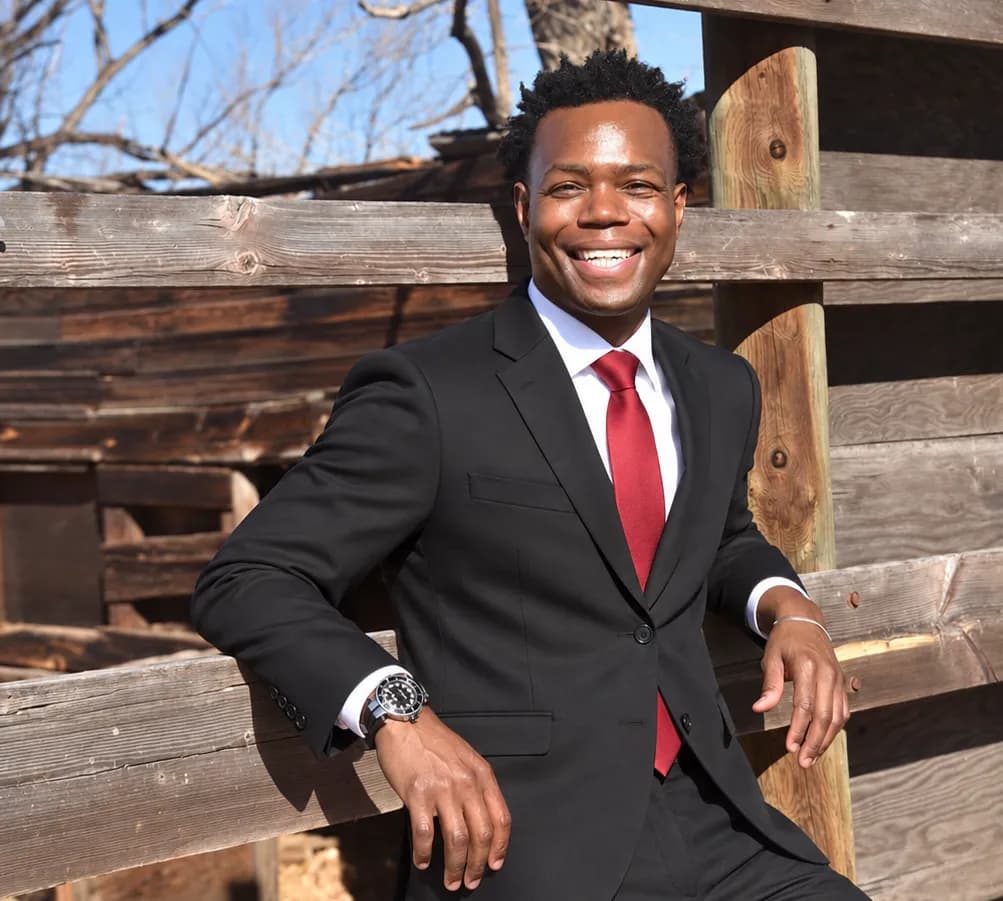
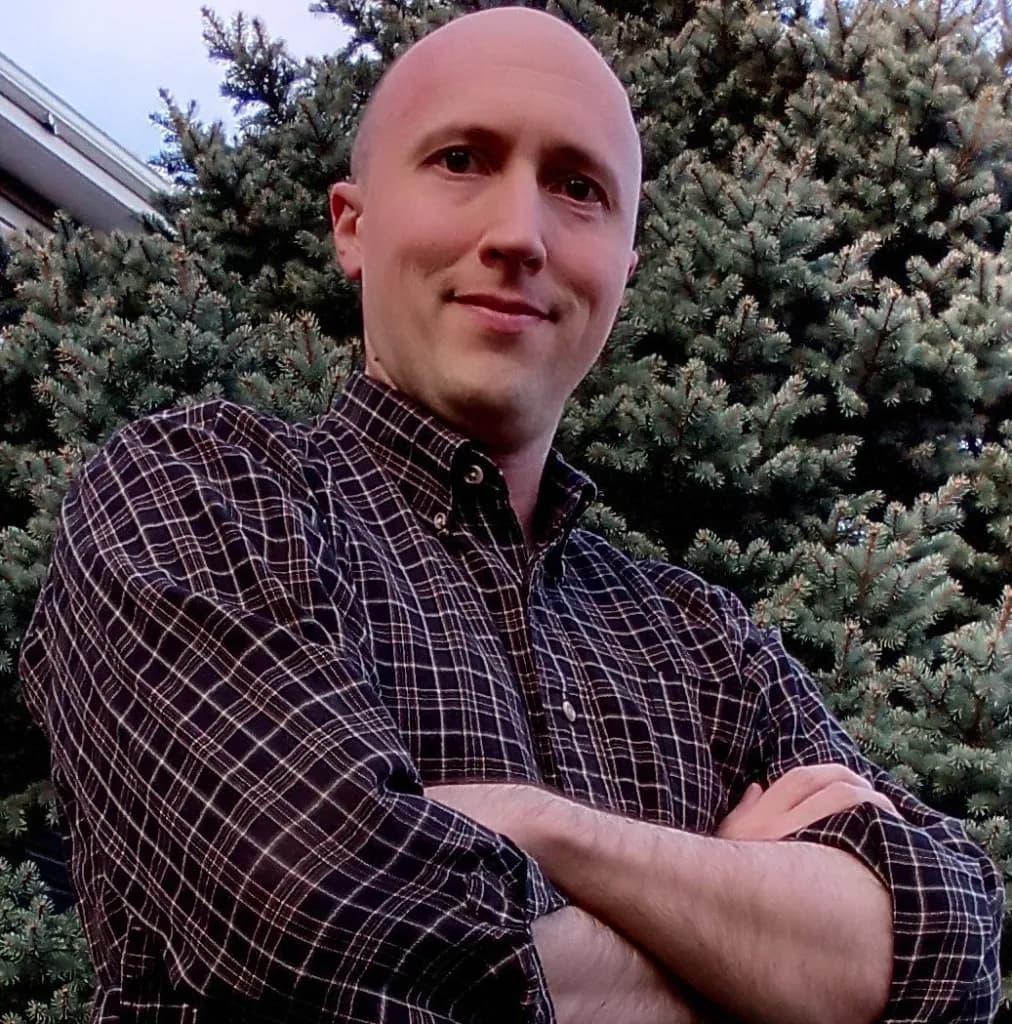
Eric Mulder, a Libertarian candidate running for Colorado governor in the Nov. 3 midterm election, recently sat down with The Summit Daily to answer five targeted questions about the issues most pressing for the Western Slope. His responses offer a window into a platform that leans heavily on local autonomy and market-driven solutions, often at the expense of direct state intervention.
Let’s look at the housing crisis first. For context, the High Country is seeing working locals pushed out by rising costs, yet state legislation has largely focused on Front Range communities. Mulder’s answer is characteristically deferential to local power. He would encourage municipalities and counties — entities he notes have a "greater say over zoning and housing than the governor’s office" — to embrace housing diversity. This includes allowing mobile home communities, tiny homes, accessory dwelling units, and multifamily units. On paper, this sounds like common sense. In practice, it places the burden of solving a regional economic disparity squarely on the shoulders of local governments, many of which are already stretched thin.
When it comes to the tension between tourism and local housing, Mulder draws a hard line. Asked if he supports legislation to tax or limit vacant homes and short-term rentals, his answer is a definitive "no." He argues that limiting ownership via state law would run into federal regulatory restrictions and likely be overturned by the Supreme Court. Instead, he points again to "housing diversity" as the natural reducer of costs. It’s a libertarian play: let the market sort it out, avoid the legal minefield of state regulation.
Water security is another front where the High Country feels the pinch. The fight over the Colorado River’s future is spilling into the next governor’s term. Mulder believes Colorado has consistently upheld its end of the bargain. His path forward involves a return to nature-based solutions: reintroducing beavers and river otters to naturally increase water tables and wetlands. He claims this conserves water without harming livestock populations. It’s a low-tech approach to a high-stakes resource problem.
Finally, there’s the contentious issue of wolf reintroduction. Lawmakers have raised concerns about program cost, transparency, and impacts on the region. Mulder supports a reevaluation of the program. He argues that wolves thrive in vast areas with minimal human contact, naturally culling elk and moose to improve wild herd health. However, he notes that livestock herds don’t need this culling because ranchers already manage livestock health, and wolves can induce stress in livestock unaccustomed to them. He suggests focusing reintroduction on vast state parks with a focus on wild herd management, rather than open ranges shared with ranchers.
The bottom line for locals is clear: Mulder’s plan relies less on the state stepping in with checks and regulations, and more on local governments making tough zoning calls and letting natural ecosystems do the heavy lifting. Whether that’s enough to stem the tide of displacement in the High Country is a question the November vote will have to answer.
Keep up with Aspen
The day's Western Slope news, one email each morning. Free.
Colorado Prop 137 Supporters Outspend Opponents 1,000 to 1

Neguse Faces Dennison in Colorado 2nd District Race