Underwood Targets Mountain Housing With $150K Loan Program and Rental Caps
Governor candidate Erik Underwood proposes a state-funded loan program and local vacancy taxes to address the severe housing shortage in Colorado's mountain resort towns.

Aspen —The wind off the Continental Divide carries a dry, metallic chill in late October, stripping the aspens down to bare skeletons that rattle against the guardrails of Interstate 70. In towns like Vail and Summit, that same wind whips through streets where half the homes sit dark and empty while local workers pay out of reach for a bedroom. It is a landscape defined by this tension: the grandeur of the mountains against the grinding reality of who gets to live in them.
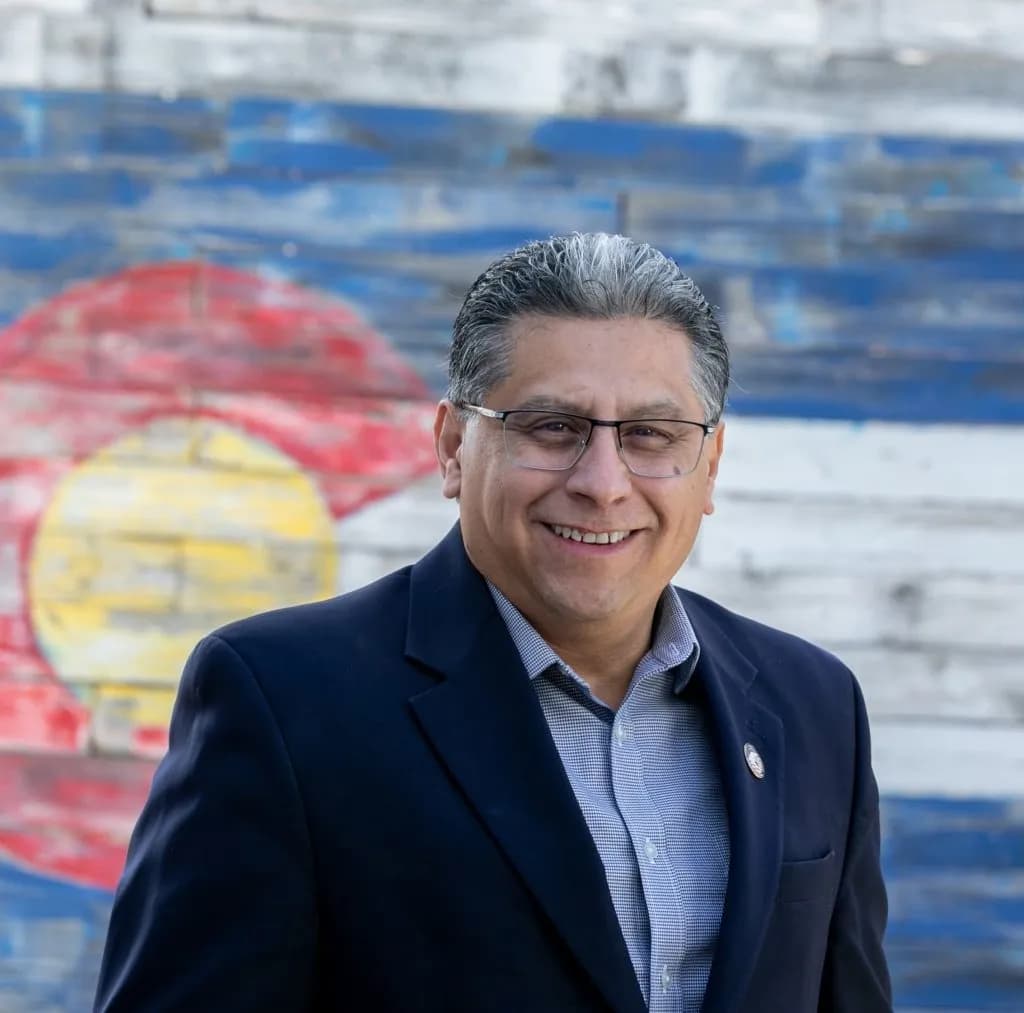
Erik Underwood, a candidate for governor on the Approval Voting Party ticket, sees this disconnect as a failure of legislative design. In an interview with the Summit Daily, he laid out a platform that bypasses the usual partisan gridlock to tackle the specific, sharp edges of High Country life. He argues that Colorado’s recent housing laws were written for the Front Range, leaving mountain communities with "the rhetoric and none of the tools."
Underwood’s proposal centers on three specific mechanisms to shift that balance. First, he wants a 2.75% state loan program financed directly through the state’s capital. This would allow local governments and housing authorities to build workforce units without waiting on federal tax credits that, in his view, never pencil out at mountain construction costs. Second, he intends to fund deed restriction buydowns at a statewide scale, pointing to Vail’s InDEED program as a model that should be more than just a local budget line. Third, he proposes cutting the cost of building by backing modular and factory-built housing, offering tap fee relief for deed-restricted units, and making state land available for workforce housing near where people actually work. To bridge the gap until supply catches up, he supports a rent freeze.
The issue of short-term rentals and vacant homes is another flashpoint in resort towns, where tourism revenue often collides with local housing needs. Underwood answers "yes" to supporting legislation that taxes and limits these properties, but with a specific caveat. He argues that House Bill 26-1036 should have passed because it did not mandate anything; it simply gave local governments the option to ask voters for a vacancy tax while exempting short-term rentals. He notes that three Democrats joined Republicans to kill the bill in committee, a move he describes as stripping mountain towns of a tool they had asked for.
On short-term rentals specifically, he supports the lodging classification for investor-owned units rented more than 90 days and backs local caps. His reasoning is blunt: a town where more than half the homes sit empty most of the year is not a housing market; it is a storage unit for capital. However, he emphasizes that taxes alone do not build anything. The revenue must go straight into deed-restricted units, and the limits have to be set locally, because Summit County and Craig are not the same place.
The conversation turns to water as Underwood addresses the Colorado River crisis, a fight that is likely to spill into the next governor’s administration. He states that the seven states failed, and as of Oct. 1, the federal government is operating this river under rules Colorado did not write. He calls that the worst outcome for the state, highlighting a loss of autonomy over a resource that defines the region’s existence.
For neighbors in the valley, these proposals offer a framework for how state power might be wielded differently. Underwood’s approach is transactional and specific, trading broad ideological promises for targeted tools: loan programs, buydowns, and local control over vacancy. It is a plan built for the altitude, where the air is thin and the cost of living is thick.
Keep up with Aspen
The day's Western Slope news, one email each morning. Free.