Lopez Pitches $235K Starter Homes to Fix Western Slope Housing
Former Rep. Greg Lopez proposes $235,000 starter homes and local control over short-term rentals to address Western Slope housing crises during his unaffiliated governor campaign.
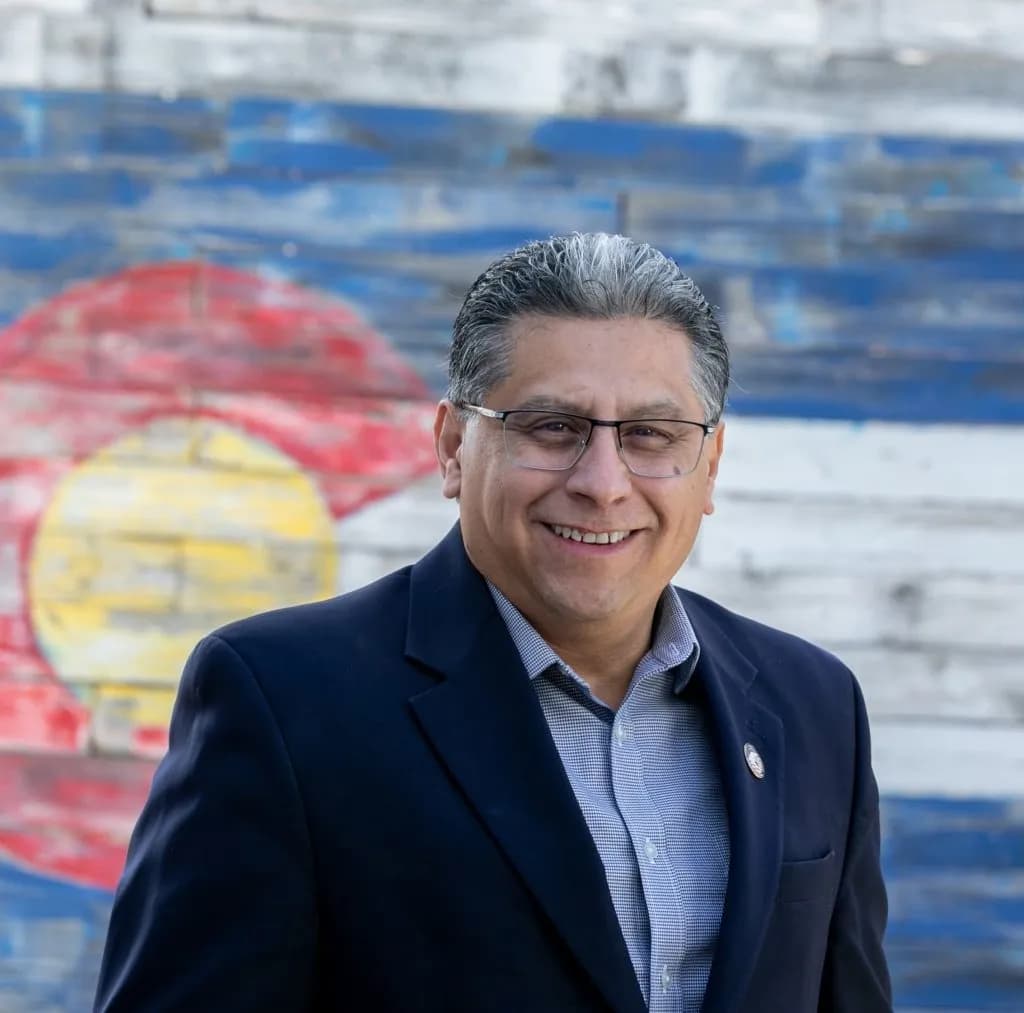
Aspen —The air in Aspen is thin and sharp, carrying the scent of pine and woodsmoke even in the heart of summer. It’s a landscape that demands attention, where the mountains loom larger than any political promise. In this high-altitude arena, Greg Lopez is making his case for the governor’s mansion. Formerly a Republican congressman from Colorado’s 4th Congressional District, Lopez is running as an unaffiliated candidate in the Nov. 3 midterm election. He doesn’t carry a party label, but he carries a specific vision for the High Country that feels distinct from the usual Denver-centric political noise.
The Aspen Times asked Lopez five questions about the issues pressing on Western Slope communities, and his answers reveal a candidate who sees the state’s geography as its primary political fault line.
Lopez is blunt about housing: Colorado’s policy cannot be one-size-fits-all. He argues that the challenges facing mountain communities are fundamentally different from those along the Front Range, a distinction he believes Denver has ignored for too long. His solution isn’t just more money; it’s a structural shift toward smaller, practical living spaces. He proposes a "starter homes" initiative featuring 1,100-square-foot houses priced at $235,000. It’s a concrete number in a market where prices often feel abstract and untouchable. He plans to work with local governments to identify land, streamline permitting, and cut the state and local fees that can add tens of thousands of dollars to a home’s cost. If you look closely at his platform, you can feel the frustration of someone who believes local control is being strangled by state bureaucracy. He wants public-private partnerships to build attainable ownership, not just subsidized rentals, and he insists that decisions should involve the people who actually live in these communities.
The question of short-term rentals is where Lopez draws a harder line. When asked if he supports legislation to tax or limit vacant homes and short-term rentals, his answer is a firm "No" as a statewide mandate. He doesn’t believe the state should impose a blanket tax on Aspen, Breckenridge, Steamboat Springs, or smaller mountain towns that do not face identical circumstances. He favors giving local communities reasonable authority to address rentals based on their specific housing supply and tourism economy, while respecting private property rights. He knows the pain point: when teachers, firefighters, nurses, and restaurant employees cannot afford to live where they work, the community suffers. His priority is expanding workforce ownership so these workers have a realistic opportunity to stay. However, he leaves the door open for state intervention if corporations are buying up the housing supply to make a profit and causing hardship for families. In that specific scenario, he believes the state should pass legislation to limit the number of homes and rental rates.
Lopez’s approach is a bet on localism over state standardization, a wager that the people of the High Country know their own needs better than Denver does. It’s a political strategy that relies on the distinct identity of mountain towns, where the distance to state capital is measured not just in miles, but in philosophy.
The mountains don’t care about party affiliation. They only respond to the weight of decisions made in rooms far away from their peaks.
Keep up with Aspen
The day's Western Slope news, one email each morning. Free.