Nederland's $200M Eldora Deal Stalls as Interest Rates Spike
Nederland's acquisition of Eldora Mountain Resort from Powdr faces a funding crisis as interest rates hit 8.5%. Mayor Sterling now seeks $20 million in donations to jump-start capital projects and satisfy skeptical bond investors.
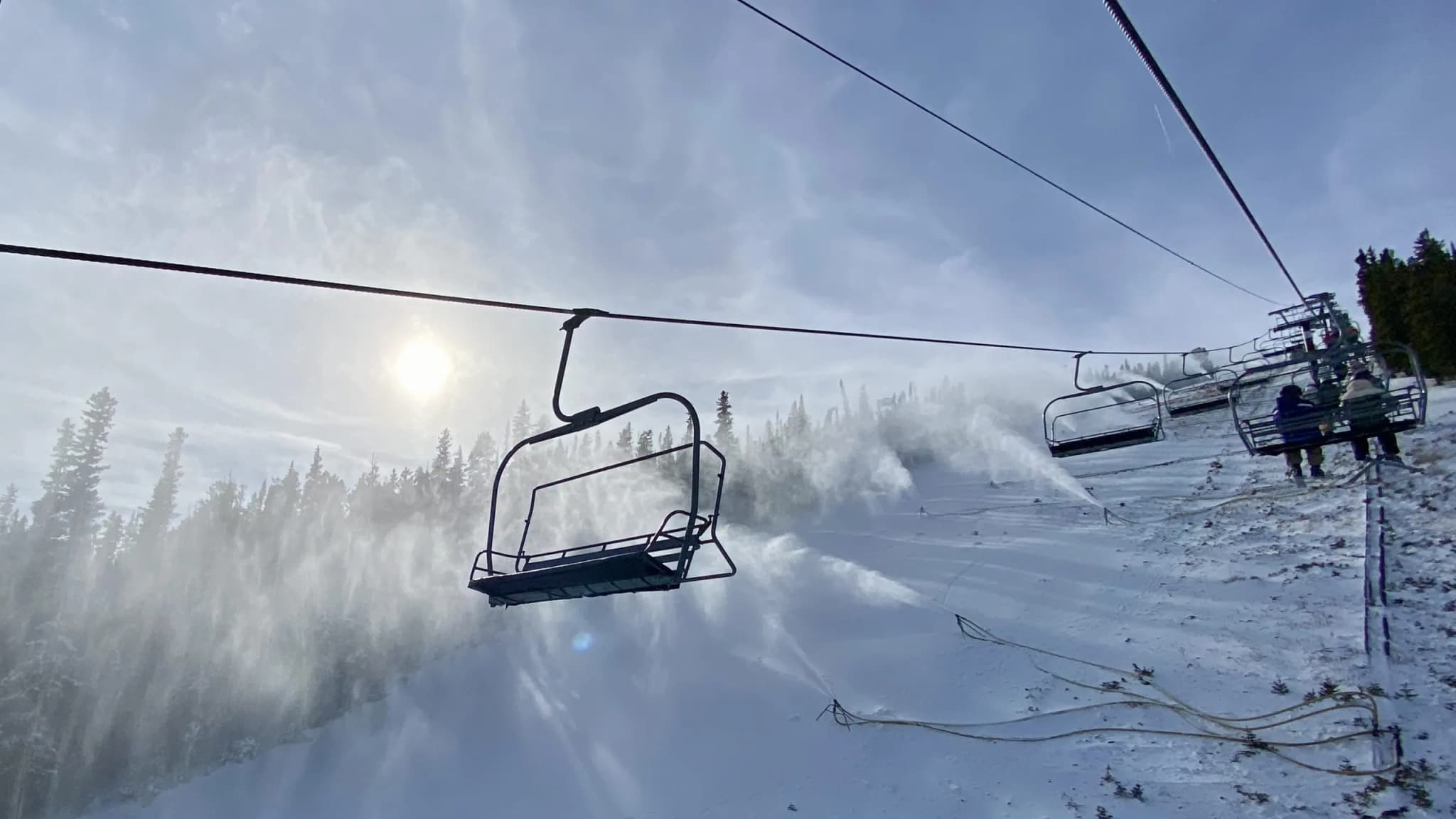
The wind off the Front Range hits differently when you’re standing on the summit of Corona. It’s a dry, sharp chill that cuts through layers, and from up there, the town of Nederland looks like a cluster of pine trees clinging to the mountainside. It’s a small place, a population of roughly 1,500 people living in the shadow of one of Colorado’s most iconic ski areas. But right now, that small town is trying to swallow a financial whale.
Nederland has spent the last two years attempting to buy Eldora Mountain Resort from operator Powdr. The initial price tag was $120 million, but the total cost of ownership — including capital projects and debt reserves — has ballooned to over $200 million. For a town with an annual budget of about $3 million, that is not exactly a manageable number. According to reporting by Jason Blevins in the Colorado Sun, the plan is faltering. Interest rates have climbed to 8.5%, and prospective creditors are asking hard questions about how a small municipality can service that much debt.
Mayor Nichole Sterling addressed the community in an open letter on Sept. 30, marking the first official update on the acquisition in months. She acknowledged that bond investors need confidence. “The revenues from the resort are the primary source of repayment,” Sterling wrote, but she admitted that lenders want less debt and stronger assets to back it up.
The strategy is shifting. Instead of the original enterprise fund model, where ski area revenues would directly pay down debt, the new plan involves a sale-leaseback structure. Revenue bonds will still be used to pay Powdr for the 700-worker ski area, but the town is now asking its neighbors and supporters to chip in $20 million in donations. That money isn’t for the purchase price; it’s to “jump-start” capital projects that make the resort viable enough to attract those bond buyers.
And that matters because the choice of projects reveals a core dilemma in the industry. The town is weighing upgrades to the Corona lift, which accesses expert terrain, against launching the planned 62-acre Jolly Jug expansion, a new chairlift for beginner and intermediate skiers. If forced to choose, the town is choosing between growing the sport with newbies or keeping the pass-buying experts happy. Sterling noted that bond buyers also asked the town to “more aggressively model poor snow years,” a request triggered by last season’s weakest snowfall in half a century, which caused the steepest decline in ski visits to Colorado in more than 40 years.
“We are essentially setting up a blueprint for other municipalities to follow in our footsteps, but it takes someone taking the first step,” Sterling wrote. It’s a bold claim for a town that has never run a major business before, let alone one dependent on the whims of winter weather.
The stakes are high for locals who commute past the resort or rely on its economic spin-off. If the debt structure doesn’t hold, the town could be left with a massive liability and a resort that isn’t quite ready for prime time. The $20 million ask is a test of local loyalty, but it’s also a test of financial realism.
Back on the summit, the view is still clear. The snowpack is a patchwork of white and brown, a visual reminder that winter never arrives on schedule. The town below is quiet, but the conversation about who owns the mountain, and what that ownership costs - is loud and getting louder.
Keep up with the Western Slope
The day's Western Slope news, one email each morning. Free.