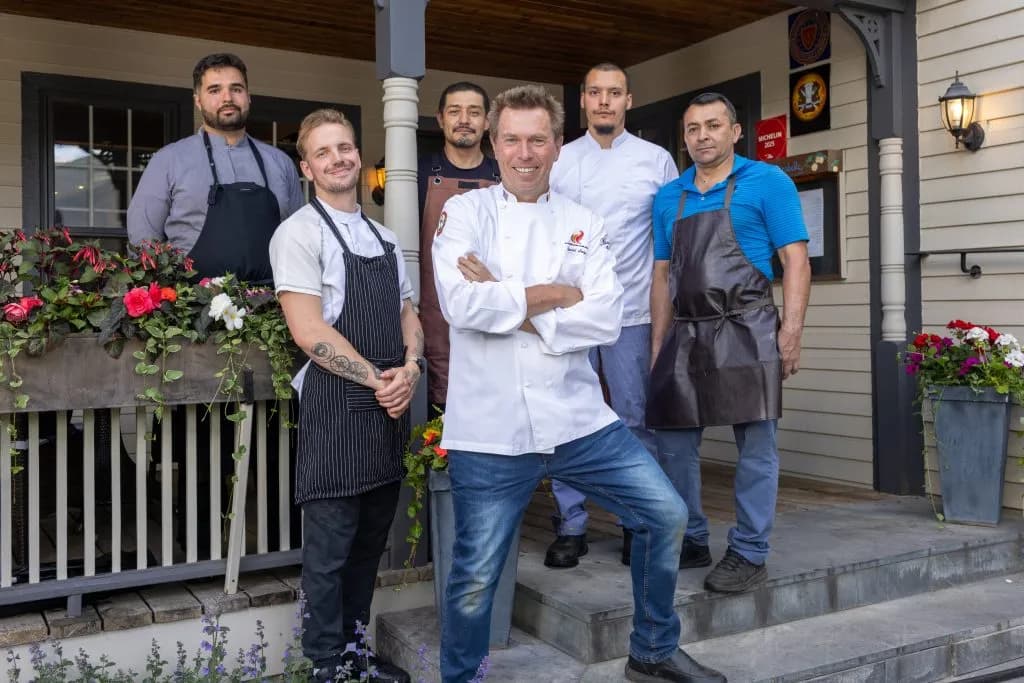
Kelloff Launches CD3 Congressional Campaign Focusing on Public Lands and Rural Healthcare
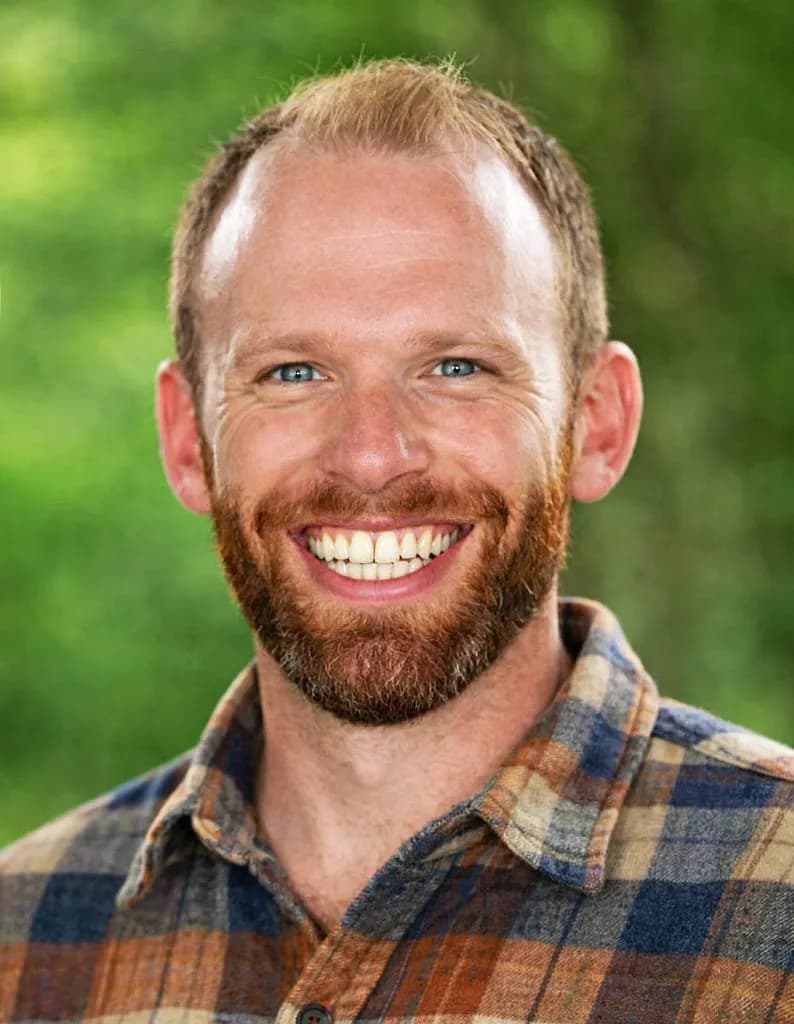
Kelloff leaves telecommunications to run for Congress in CD3, prioritizing public lands protection against Jeff Hurd's act and addressing rural healthcare and cost of living pressures.

Aspen —A $14 million project. Twelve units.
That’s the math on a typical housing development in the Western Slope, if you’re lucky enough to find one that doesn’t require a six-figure subsidy per door. But Kelloff isn’t talking about specific square footage. He’s talking about the broader squeeze on the rural American experience.
Kelloff’s decision to run for Congress didn’t come from a poll. It came from a sense of duty after Donald Trump’s reelection in November 2024. He’s been in the district since 1893, when his great-grandfather hit the coal mines in Trinidad. His grandfather founded Kelloff’s Food Markets in the San Luis Valley during the Great Depression. That’s not just heritage; that’s a lineage of people who know what it costs to keep a community alive when the economy turns.
His father has worked for the federal government for nearly 60 years. He’s 83. He still goes to work every day. The lesson Kelloff took from that isn’t some abstract political theory. It’s simple: do well so that you can do good.
Kelloff spent 30 years in telecommunications. He made money. He built a career. In April 2025, he walked away from it. He didn’t just dip a toe in the water; he launched a campaign to fix what he sees as a broken system. He’s not running a traditional rally circuit. He’s running the "By The People Tour." These are workshops. Neighbors talking. Not shouting. Building a plan.
What are they saying?
Families are getting squeezed. Gasoline. Diesel. Groceries. The basics. Rural hospitals are bleeding money and cutting services. Veterans are losing access to the care they earned. Schools are being told to do more with less. And on top of that, the federal administration is pushing proposals to weaken public lands protections.
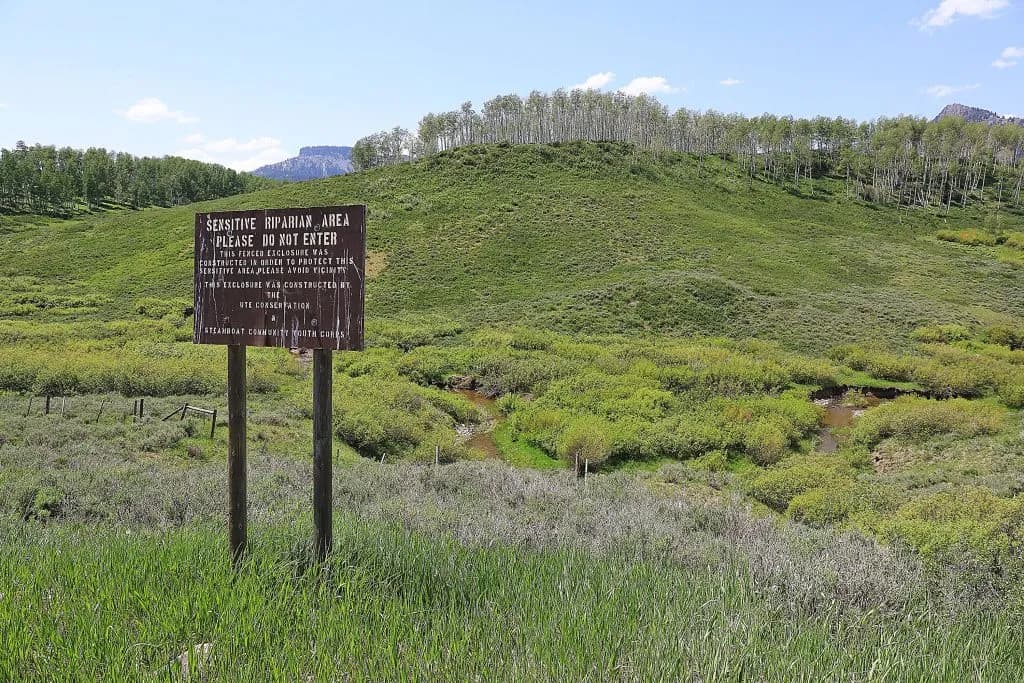
Kelloff is specifically calling out Jeff Hurd’s Productive Public Lands Act. He opposes it. He says public lands and water are central to life in CD3. If you take the water, you take the valley. If you take the lands, you take the livelihood.
He’s not just talking about feelings. He’s talking about infrastructure. Medicaid. Public education. Veterans’ care. He wants to strengthen the foundations that allow communities to grow. Not just survive. Grow.
Let’s look at the healthcare angle. Rural hospitals are facing serious financial challenges. Some are reducing services. That’s not a future possibility. That’s happening now. When a local hospital cuts back, it’s not just a statistic. It’s an extra 30 minutes on the road for a heart attack patient. It’s an extra hour for a diabetic getting insulin. It’s the difference between a quick fix and a major surgery.
Kelloff says he will fight to protect these resources. He’s not promising to fix everything overnight. He’s promising to advocate for the people who call CD3 home. That’s a big difference. Advocacy is a process. It’s slow. It’s frustrating. It’s necessary.
The source material doesn’t give us a single dollar figure for how much this campaign costs. It doesn’t tell us how many voters he’s talked to. It just tells us he’s been traveling. Talking. Listening.
For context, the Western Slope is vast. The distances are real. The isolation is real. Kelloff’s plan is to use that isolation to build a stronger, more connected district. He’s not trying to be Washington. He’s trying to be CD3.
He’s got the support of trusted voices. Those who know the district. The ones who understand what it takes to win. Former Con... (the source cuts off there, but the implication is clear: he’s got the local backing).
The bottom line? Kelloff is betting on the idea that locals are tired of being an afterthought. He’s betting that the cost of living and the threat to public lands are the real issues. Not culture wars. Not abstract politics. The cost of diesel. The state of the hospital. The future of the land.
If he wins, he’ll have to deliver. If he loses, he’ll have proven that the message resonated. Either way, the conversation has changed. The focus is on the basics. The essentials. The things that matter when you’re trying to get from point A to point B without breaking the bank.
That’s the story. It’s not flashy. It’s not a viral tweet. It’s a man with a long family history in Colorado deciding to step up. And for the folks in the valley, that might be exactly what’s needed.
Keep up with Aspen
The day's Western Slope news, one email each morning. Free.