Trump Grants Ukraine License to Manufacture Patriot Missiles
President Trump and President Zelenskyy secured a license for Ukraine to manufacture its own Patriot defense systems during a closed-door Oval Office meeting, shifting Kyiv from consumer to producer.
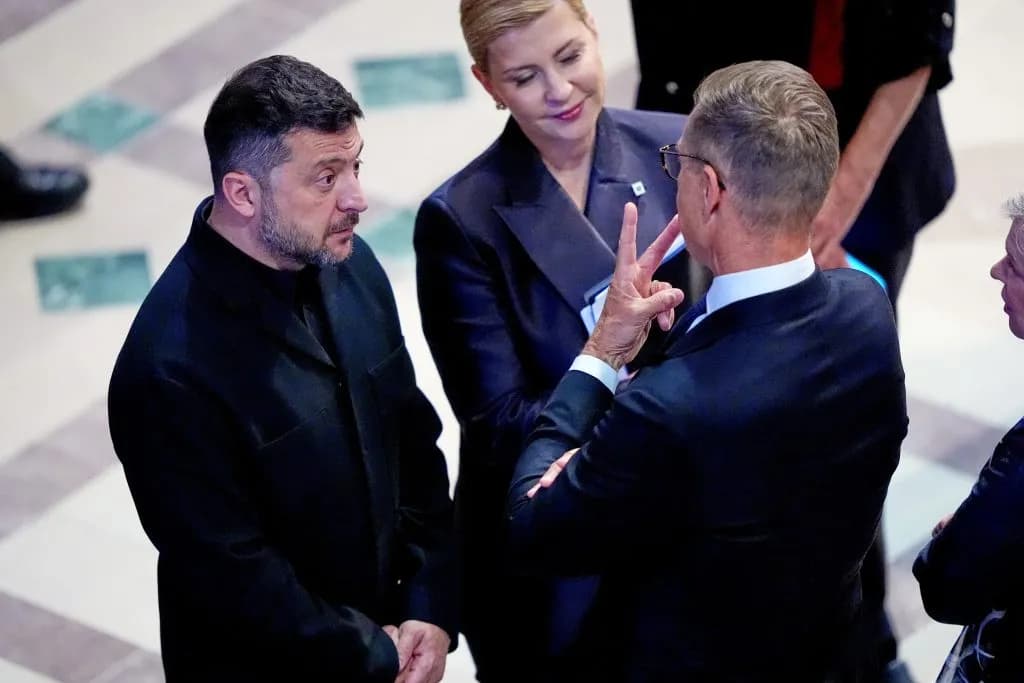
Aspen —Ukraine secured a license to manufacture its own Patriot defense systems. That’s the headline from Tuesday’s Oval Office meeting between President Donald Trump and Ukrainian President Volodymyr Zelenskyy. But the real story isn’t just about getting permission to build missiles; it’s about whether Kyiv can actually produce them fast enough to matter.
The two leaders met in a closed-door session, just before Sen. Lindsey Graham’s funeral. They discussed “other ideas that could help” in the ongoing war against Russia, according to Vail Daily. This sit-down followed a crucial NATO summit in Ankara, Turkey, earlier this month. There, Trump announced the U.S. would grant Ukraine that specific license to make Patriot systems — a long-running request from Kyiv designed to counter relentless Russian missile attacks.
Let’s do the math on the political capital spent here. Trump, once a vocal skeptic of aid to Kyiv, has warmed significantly to Zelenskyy. The Ukrainian leader’s relationship with the Republican administration was rocky during a raucous White House visit where he was criticized for being ungracious. Now, he’s courting the administration while leveraging allies in Trump’s orbit to keep pressure on.
Zelenskyy posted on social media after the meeting, thanking Trump for a “good meeting” and highlighting diplomacy as something that needs to be reinvigorated. He specifically mentioned licenses for Patriot interceptor production and cooperation with Lockheed Martin officials regarding technology exchange.
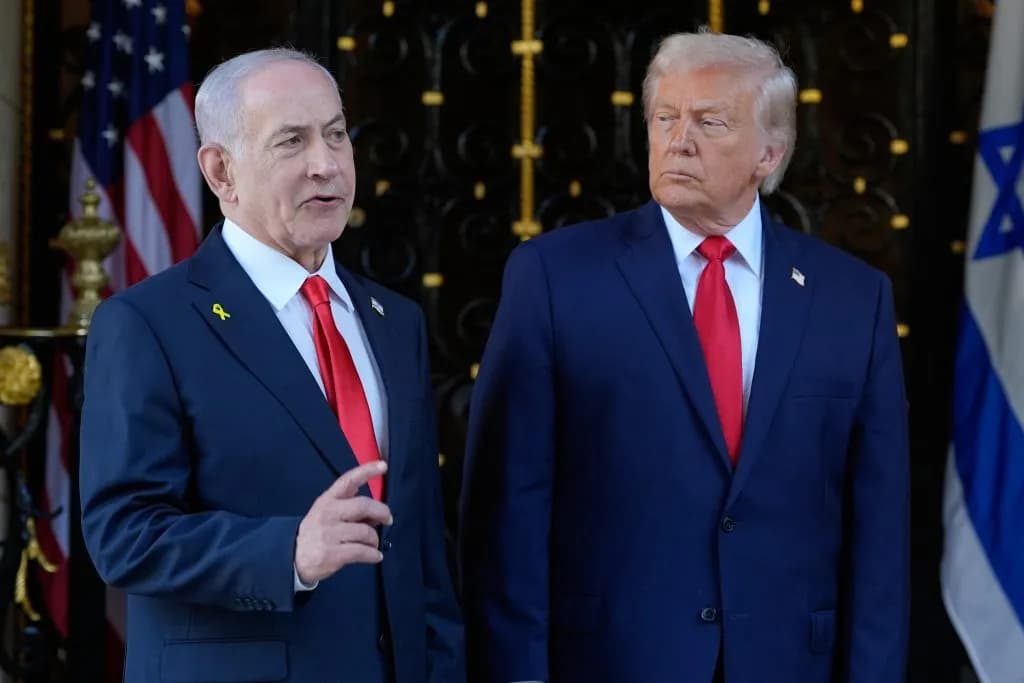
White House press secretary Karoline Leavitt called both the Zelenskyy meeting and a separate sit-down with Israeli Prime Minister Benjamin Netanyahu “positive and productive.”
Luke Coffey, a senior fellow at the conservative-leaning Hudson Institute, provided critical context on why this license matters beyond Ukraine’s borders. Expanding production capacity for Patriot interceptors is vital for the U.S. and its Gulf allies, particularly as supply runs low due to the war in Iran. Coffey noted that Ukraine has demonstrated its defense industry is “capable, innovative and creative.”
The ongoing conflict in the Middle East has become entwined with Ukraine’s struggle. Ukraine fired on at least one Iranian vessel in the Caspian Sea over the weekend. Meanwhile, Zelenskyy asserts that Russia has been offering satellite imagery of U.S. bases in the Persian Gulf to Iran, complicating the geopolitical landscape further.
On paper, this looks like a win for Ukrainian sovereignty and American defense industrial base efficiency. In practice, it means Ukraine is no longer just a consumer of U.S. technology but a producer. This shifts the burden slightly away from pure American manufacturing and toward shared capacity.
For locals watching the broader geopolitical shifts, this reinforces the strategic importance of defense contracts and international alliances. It’s not just about foreign policy; it’s about supply chains that eventually touch local economies through federal spending and industrial output.
The bottom line: Ukraine gets to build its own shields. Trump gets a diplomatic win and a stronger ally in the Middle East equation. And the Patriot system, once exclusively American-made, now has a second home in Kyiv’s industrial sector.
Keep up with Aspen
The day's Western Slope news, one email each morning. Free.