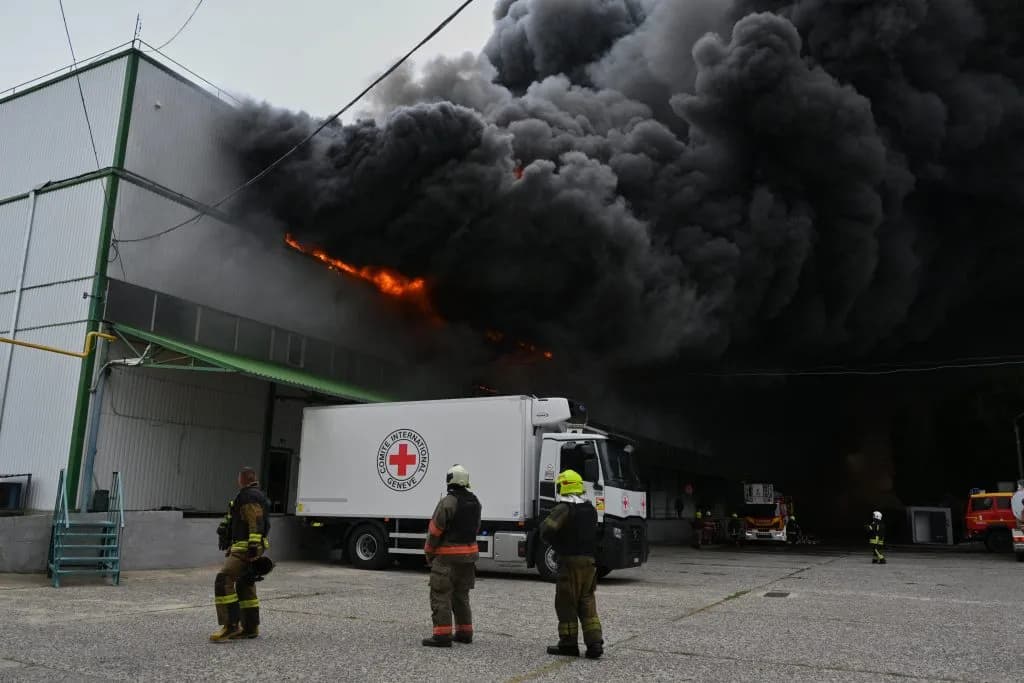
Kyiv Drone Barrage Kills 21 as Ukraine Targets Russian Fuel Logistics
An 11-hour drone and missile barrage kills at least 21 people in Kyiv. Ukraine’s strategy shifts from random strikes to precision attacks on Russian fuel supply lines to Crimea, aiming to force negotiations by exploiting logistical weaknesses.
Aspen —A $14 million project. Twelve units.
Wait, that’s the wrong story. You’re reading the wrong headline.
Let’s get the actual number right. At least 21 people died. Dozens more injured. Kyiv, Ukraine, hammered by an 11-hour drone and missile barrage that started overnight and didn’t stop until Thursday morning.
The obvious take is that Russia is just hitting back. Moscow’s Defense Ministry called it retaliation for Ukrainian strikes on Russian oil facilities. It’s a simple cause-and-effect loop: Ukraine hits the fuel, Russia hits the city. But if you look at the mechanics of the war, that’s a lazy reading of the board.
Ukraine isn’t just hitting random oil depots. They’re targeting the supply lines to Crimea. That’s the choke point. The Black Sea peninsula has been in its worst fuel crisis since the 2014 annexation. Ukraine’s drone engineering has evolved. It’s not just throwing cheap drones anymore; it’s precision strikes on the logistics that keep the Russian army moving. The goal isn’t just to burn fuel; it’s to force Putin to the negotiating table by making the war too expensive to sustain.
Putin thinks time is on his side. He believes Western support will peter out. He believes Ukraine will collapse under the weight of strategic bombing. So far, the data doesn’t support his confidence. The strikes on Crimea have delivered a tangible blow to the Kremlin’s narrative that Moscow is winning.
But the cost of this strategy is measured in civilian lives. The Emergency Service reported 21 dead. More than 90 injured. Over 50,000 people sheltered in subway stations. That’s not a tactical maneuver; that’s a disruption of daily life for a city of 3 million.
Foreign Minister Andrii Sybiha called it a “night of horror.” Kyiv resident Serhii Budko, 24, said three or four ballistic missiles hit his district. He felt the shelter shaking. The ceiling. The floor. Everything. That’s not abstract geopolitical posturing. That’s structural damage to the lives of people who have nowhere else to go.
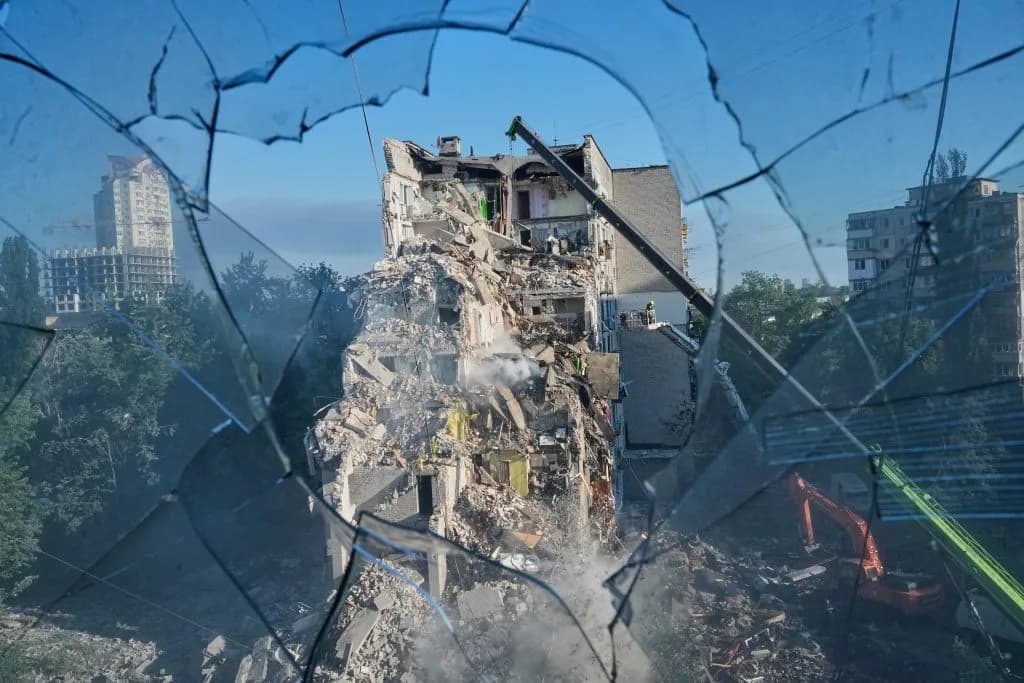
More than 30 locations across the city reported damage. About 20 residential buildings were hit. Emergency crews dug through rubble all day. This isn’t a distant conflict affecting only soldiers in trenches. It’s an urban warfare scenario where the infrastructure of a major capital is being systematically degraded.
Diplomatic efforts haven’t produced results. The Trump administration is trying. President Donald Trump and Zelenskyy are expected to attend next week’s NATO summit in Turkey. But summits don’t stop ballistic missiles. They just provide a backdrop for talking while the shelling continues.
The key here is the fuel crisis. Ukraine’s attacks on Russian refineries have caused severe fuel shortages. This puts pressure on Putin. It frustrates the Russian public, who are already feeling the war’s economic toll. It’s a war of attrition, but Ukraine is trying to shift the attrition from manpower to logistics.
The result? Kyiv is on fire. Literally. Tracers from air defense fire streaked through the air. A huge pall of black smoke rose into the sky. Loud booms echoed through the capital.
This isn’t just about who wins the next battle. It’s about whether the current strategy of hitting oil to force peace is working, or if it’s just escalating the pain for civilians on both sides. The numbers say 21 dead. The context says a capital city struggling to keep its lights on while its power grid and supply lines are targeted.
For locals, the reality is stark. The war isn’t ending. It’s getting more expensive. And the bill is coming due in blood and concrete.
Keep up with Aspen
The day's Western Slope news, one email each morning. Free.