Louisville Hydrogeologist Samuel Marquis Releases Companion Historical Volumes
Louisville hydrogeologist Samuel Marquis publishes 'Empire and Frontier,' a companion to his 'Captain Kidd' biography, detailing the 1690s conflict for North American control through local and genealogical lenses.
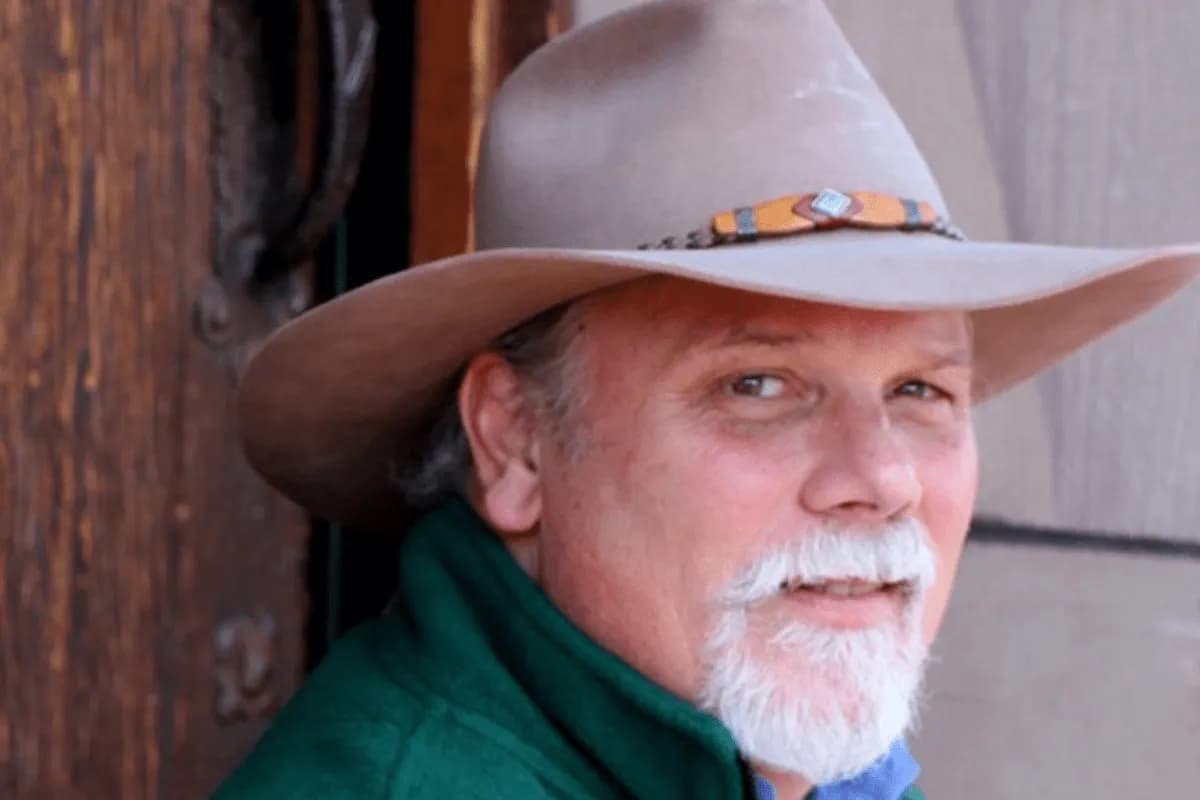
“King William’s War was the first major European war fought on North American soil,” Samuel Marquis said, his voice carrying the weight of a man who has spent decades tracing the contours of history through groundwater and genealogy. It was a conflict that swept across the New York and Canadian frontier, bloody and destructive, as English and French armies — backed by Indigenous warriors — annihilated opposition, burned settlements, and seized prisoners to restock Native populations.
Marquis, a professional hydrogeologist and expert witness living in Louisville with his wife and three children, has spent the last few years weaving these distant threads into a tangible tapestry for his neighbors. He is the ninth-great-grandson of legendary privateer Captain William Kidd, a lineage that led him to write Empire and Frontier, a companion historical work to his earlier biography, Captain Kidd. The two books attempt to bring colonial New York to life from far different vantage points, yet they are bound by the same historical gravity.
While Captain Kidd recreates the privateer’s life in New York alongside his wife, Sarah, focusing on his voyages against the French and his political struggles with the British Crown in London, Empire and Frontier looks north to the Albany Indian frontier. Here, Marquis explores the 1690s conflict between the English and French for control of North America, also known as the First French and Indian War - along with the Covenant Chain alliance between the English and the Haudenosaunee, or Five Nations of the Iroquois.
The result is a pair of volumes that function as companion pieces, featuring the 1690s conflict and many of the same historical figures, yet offering distinct narrative emphases. England and France battled for possession of North America during this global struggle, and Marquis’s work ensures that the story isn’t just about kings in London, but about the people on the ground, from New York City to the frontier.
Born and raised in Colorado, Marquis brings a local sensibility to these colonial conflicts. His research foundation came directly from the material he uncovered while writing Captain Kidd. He had so much interesting material about King William’s War that he felt compelled to move his narrative north. The war, fought in the 1690s between the English and French for control of North America, serves as the backbone for both books.
One of the challenges in telling this story is that King William’s War isn’t a slice of history most people are familiar with. Yet, as Marquis points out, it matters because it was the first of four major clashes between England and France for control of North America. It sets the stage for everything that followed, from the colonial alliances to the eventual shaping of the American identity.
Marquis has now written a total of 13 nonfiction history and historical fiction books, covering the period from colonial America through World War II. His latest work, Empire and Frontier, stands as proof of the power of family ties in shaping historical understanding. It is a story that begins with a privateer’s legacy and expands to encompass the broader sweep of early American history, all while remaining deeply rooted in the soil and water that Marquis studies as a hydrogeologist.
The books sit on shelves across the Western Slope, waiting for readers who want to look closer at the foundations of their country. They offer a glimpse into a time when the land was not just a resource, but a battlefield, an alliance, and a home.
Keep up with the Western Slope
The day's Western Slope news, one email each morning. Free.

Aspen's ACES Returns Annual Harvest Party to Rock Bottom Ranch
Glenwood Ghostwalk Brings Frontier History to Life in Linwood Cemetery